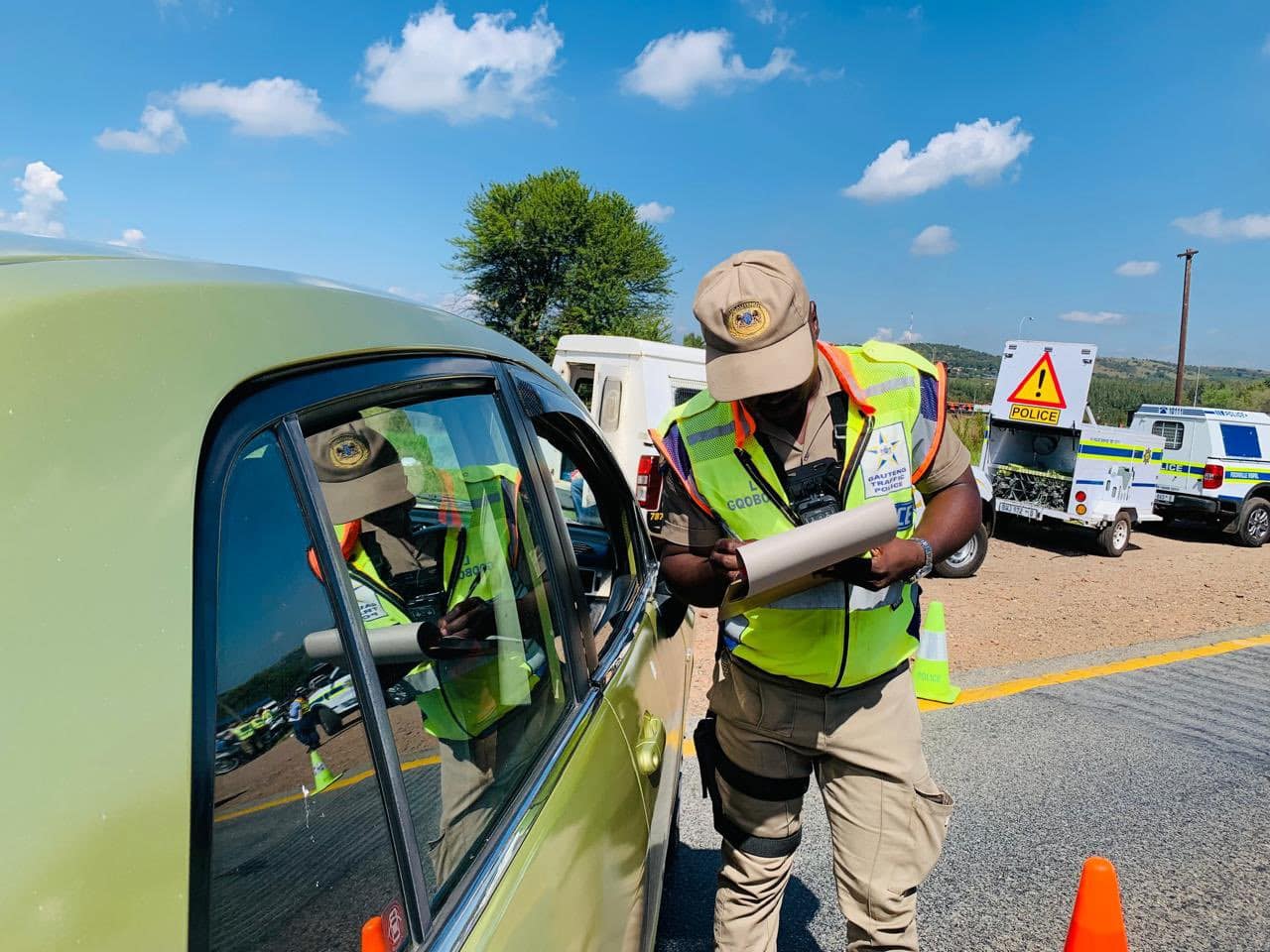
In a massive, coordinated effort to ensure the safety and smooth operation of the upcoming G20 Leaders’ Summit, Gauteng authorities will deploy a multi-agency joint traffic operation this Saturday, November 15, marking the most significant security dry-run to date for the high-profile event.
The operation, which will run from 9:00 a.m. to 1:00 p.m., will involve a formidable alliance of the Road Traffic Management Corporation (RTMC), Gauteng Traffic Police, Johannesburg Metropolitan Police Department (JMPD), and the South African Police Service (SAPS). The exercise is designed to simulate the complex logistics required for transporting world leaders, focusing on key arterial routes that will serve as the summit’s lifelines.
A Rehearsal for the World Stage
The drill will feature rolling road closures and dynamic lane restrictions along the M1 highway, N1 highway, and critical arteries within the Johannesburg Central Business District (CBD). These measures are essential for securing the motorcades of dignitaries from over 40 countries and international organizations, who will be converging on the Sandton Convention Centre—the epicenter of the summit.
“This is a necessary step to test our systems and ensure a seamless and secure experience for all our international guests,” stated a senior official from the RTMC. “The public’s cooperation is absolutely vital for the success of this rehearsal and the summit itself.”
Navigating the Disruption: A Call for Public Cooperation
Authorities have been explicit in their warnings to motorists. The planned disruptions are expected to cause significant delays, particularly on the highways leading into and out of the northern suburbs and the CBD during the late morning and early afternoon.
Officials are strongly recommending that the public:
- Avoid non-essential travel in the affected areas during the operational window.
- Use alternative routes where possible, with the M2 and R101 suggested as potential bypasses.
- Utilize public transportation, such as the Gautrain and Rea Vaya bus rapid transit system, which are expected to operate normally and are not directly impacted by the road closures.
This proactive communication aims to minimize inconvenience while allowing security forces to perfect their coordination for what will be one of the largest and most complex security operations in Johannesburg’s history.
The Stakes: Africa’s First G20
The immense logistical effort underscores the high stakes for South Africa. The November 22-23 summit is a historic first, being the inaugural G20 Leaders’ Summit held on African soil. Hosted under South Africa’s presidency, the event will focus on pressing global issues, including tackling inequality, promoting sustainable development, and addressing the climate crisis.
The success of the summit is seen as a testament to South Africa’s capability on the world stage. The traffic operation this Saturday is more than just a rehearsal for road closures; it is a critical step in presenting a image of a competent, secure, and organized host nation, ready to facilitate dialogue that could shape global policy for years to come. For Johannesburg residents, it represents a morning of shared inconvenience for a event of profound national and continental significance.
About The Author