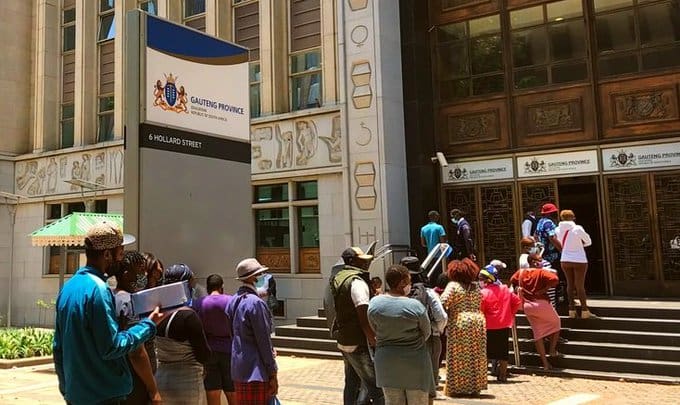
In the pre-dawn chill of a Morningside morning, a line not of eager concert-goers, but of weary, worried parents snakes around the block. It is a tangible, human manifestation of a systemic crisis. Hundreds of parents and guardians, clutching crumpled application printouts, weathered folders of documents, and the last dregs of cold coffee, have transformed the pavement outside the Gauteng Department of Education’s district office into a makeshift camp of frustration and fading hope. With the 2026 academic year looming on the horizon—a deadline that feels both distant and terrifyingly immediate—they are engaged in a last-ditch, physical battle to secure what should be a fundamental right: a place for their child in a classroom.
The scene is one of palpable anxiety. Parents speak in hushed, urgent tones, comparing notes on online application statuses that perpetually read “Pending” or “Under Review.” Some have taken unpaid leave from work, their presence here a direct cost to their household’s livelihood. Others balance infants on their hips or try to pacify young children who don’t understand why their parent is standing for hours on a hard sidewalk. The queue, which began forming in the deep night, is a slow-moving river of desperation, inching forward with bureaucratic lethargy. Each person carries a story: a family that moved for a job, only to find no space in local schools; a parent whose child was not matched to any of their chosen schools through the province’s much-touted Online Admissions System; a guardian seeking a transfer from an under-resourced or dysfunctional school.
The Broken Promise of a “Seamless” System
This annual pilgrimage to the district offices underscores a profound breakdown in Gauteng’s centralized school placement process. While the online system was designed to promote fairness and efficiency, for many it has become a digital black hole of uncertainty. Glitches, late placements, and a perceived lack of transparency have eroded public trust. The very existence of these queues is an admission that the virtual process has failed a significant portion of the population, forcing them into a parallel, analog struggle. “I did everything right, I applied on the first day the system opened,” says Thandi Nkosi, a mother of two who has been in line since 4 AM. “Now it’s January, and my son has no school. The website says nothing. So here I am. What else can I do?”
Inside the offices, overwhelmed officials work through mountains of paperwork, attempting manual overrides and appeals. The pressure is immense on both sides of the counter. Department spokespeople, responding to media inquiries, cite overwhelming demand, migration patterns, and the legacy of spatial apartheid that continues to concentrate quality schools in certain areas. They reiterate commitments to place every child, but offer no immediate solace to those in the line.
A National Symptom of a Deeper Malaise
The crisis in Morningside is not an isolated event, but a stark symptom of a deeper national challenge. It speaks to chronic issues of inadequate school infrastructure planning in rapidly growing urban areas, the unequal distribution of quality education, and the immense pressure on parents who view schooling as the single most critical determinant of their child’s future. The emotional toll is immense, with parents expressing feelings of powerlessness and anger, fearing their children will be left behind before the year even begins.
As the sun climbs higher, the queue does not shrink. New arrivals join the end, their faces falling as they gauge the distance to the door. The scene is a powerful, heartbreaking tableau of a society straining to meet its most basic promise to its youth. For these parents, the first lesson of 2026 is not one of mathematics or language, but one of relentless advocacy—a harsh curriculum in persistence, where the homework is done on a sidewalk, and the pass mark is simply a seat in a classroom. The resolution of this annual crisis will require more than tired officials processing forms; it demands a fundamental re-examination of planning, equity, and the true meaning of access to education in South Africa.
About The Author