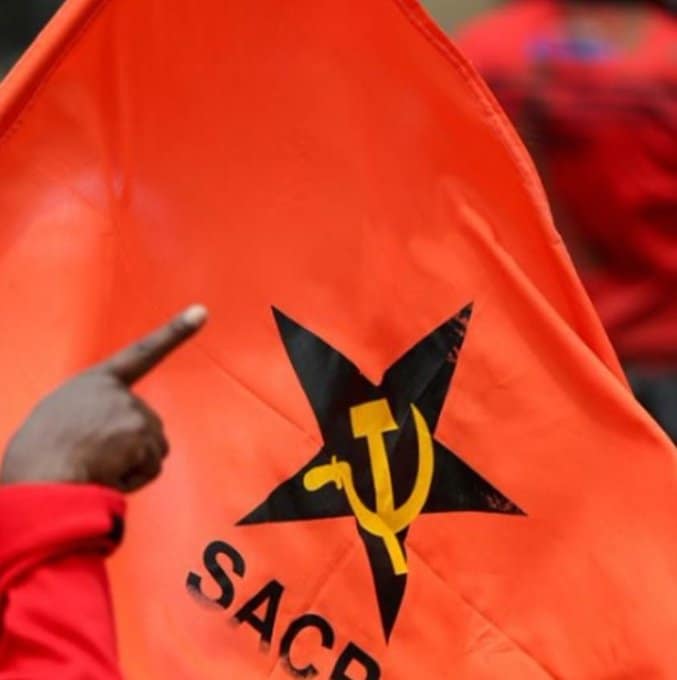
South African Communist Party (SACP) general secretary Solly Mapaila has officially launched the party’s Red October campaign in Komga, in the Eastern Cape, issuing a rallying cry to mobilise workers and poor communities around the pressing issues of jobs, services, and safety just weeks before the local government elections. The launch, held on Sunday, 4 October 2026, in the Ncumisa Kondlo district, marks the beginning of the 2026–27 campaign and is particularly significant as it is the first Red October since the SACP resolved to contest a municipal poll on its own ballot.
Addressing a crowd of supporters, Mapaila emphasised that the SACP’s decision to contest independently was born of frustration with the failures of the governing alliance and the persistent neglect of working-class communities. “For too long, the poor have been promised change while enduring the same suffering,” Mapaila said. “Red October is about action, about mobilising our communities to demand jobs, to demand services, and to demand safety. And this time, we are not asking anyone else to do it for us.”
The campaign will focus on door-to-door engagements, community meetings, and mass mobilisation, with the SACP seeking to position itself as a champion of the working class and the marginalised. Key issues on the agenda include unemployment, access to water and electricity, housing, healthcare, and crime, all of which resonate deeply in communities like Komga and across the Eastern Cape.
The SACP’s independent electoral bid represents a significant shift in South African politics, potentially fragmenting the left-of-centre vote and posing a challenge to the ANC’s traditional dominance in working-class areas. While some analysts view the move as a strategic attempt to influence the broader political landscape, others see it as a bold assertion of the party’s distinct identity and its commitment to socialist principles.
For Mapaila and the SACP, the Red October campaign is more than an electoral exercise, it is a statement of intent. As the country heads to the polls on 4 November, the party is betting that its message of radical economic transformation and grassroots empowerment will resonate with voters who feel abandoned by the political establishment. Whether that bet pays off remains to be seen, but the campaign has certainly injected a new dynamic into an already unpredictable electoral contest.
About The Author