
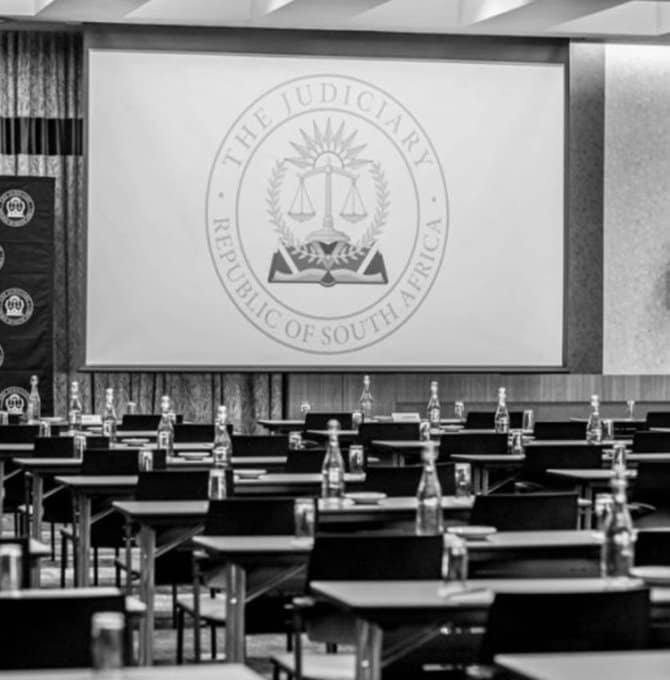
The Judicial Service Commission (JSC) begins its highly anticipated interviews in Sandton on Monday, 5 October 2026, with five judges competing for three seats on the Supreme Court of Appeal (SCA), the country’s second-highest court. The sittings are being led by Chief Justice Mandisa Maya, who has emphasised the importance of selecting candidates of the highest calibre to fill the vacancies.
The SCA hears appeals from the High Courts and its judgments shape how South African law is interpreted and applied across the country. The court’s role in developing jurisprudence and upholding the rule of law makes the appointment of its judges a matter of significant public interest. The three vacancies arise from retirements and promotions within the judiciary, and the successful candidates will be expected to contribute to the court’s already formidable reputation for legal rigour and independence.
The five candidates vying for the positions are expected to face rigorous questioning on their legal expertise, judgment, temperament, and commitment to transformation and judicial independence. The JSC, which is constitutionally mandated to recommend candidates for judicial appointment, has faced criticism in the past for its handling of interviews and the politicisation of the process. Chief Justice Maya has pledged that this round of interviews will be conducted with fairness, transparency, and a focus on merit.
Public interest in the proceedings is high, with civil society organisations and legal experts closely monitoring the interviews. The JSC’s recommendations will be forwarded to President Cyril Ramaphosa, who has the final say on appointments. The process is a critical component of South Africa’s constitutional democracy, ensuring that the judiciary remains independent, representative, and capable of delivering justice without fear or favour.
As the interviews commence, the spotlight is firmly on the candidates and the JSC. The decisions made in the coming days will shape the trajectory of South Africa’s appellate jurisprudence for years to come. For the candidates, it is an opportunity to serve at the highest level of the judiciary. For the country, it is a reminder that the strength of the rule of law depends on the quality and integrity of those who interpret it.
About The Author