Health Minister Dr Aaron Motsoaledi has welcomed a landmark decision by Jehovah’s Witnesses that allows individual members to choose whether to accept specific blood components, red cells, white cells, plasma, or platelets, rather than refusing all blood products outright. Motsoaledi described the shift as a “giant leap” for a health system that has, for decades, lost patients it could have saved.
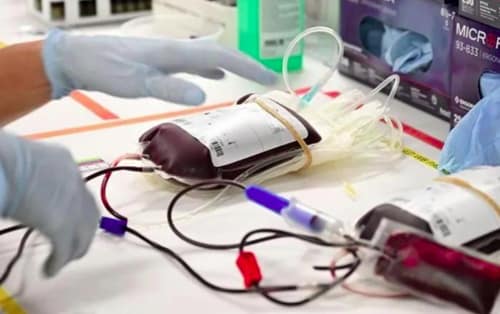
The religious organisation’s long-standing ban on whole blood transfusions remains in place. However, the Department of Health has noted that this prohibition no longer poses the same obstacle in ordinary care, because hospitals have long since stopped using whole blood for routine transfusions. Modern medical practice relies on component therapy, where specific blood products are administered based on the patient’s needs, a development that aligns with the new flexibility granted to individual Jehovah’s Witnesses.
“For years, we have witnessed the tragedy of patients dying because of a blanket refusal of blood products that could have saved their lives,” Motsoaledi said. “This decision by the Jehovah’s Witnesses’ leadership is a giant leap forward. It respects individual conscience while opening the door to life-saving treatment.”
The decision is expected to have significant implications for medical practice in South Africa, where Jehovah’s Witnesses number in the tens of thousands. Doctors and hospitals have long grappled with the ethical and legal challenges of treating patients who refuse blood transfusions, particularly in emergency situations where time is critical. The new policy allows patients to make informed choices about which components they are willing to accept, potentially reducing the number of preventable deaths.
Medical ethicists have praised the move as a model of balancing religious freedom with patient autonomy and clinical necessity. “This is a mature and compassionate approach,” said one bioethicist. “It recognises that medical care is not one-size-fits-all and that patients should have a say in their treatment, even within the framework of their faith.”
The Department of Health has indicated that it will work with hospitals, blood banks, and religious leaders to ensure that the new policy is implemented smoothly and that healthcare workers are adequately trained to engage with patients on these sensitive matters. For Motsoaledi, the decision represents a victory for pragmatism and compassion, a reminder that even deeply held beliefs can evolve when lives are at stake.
About The Author