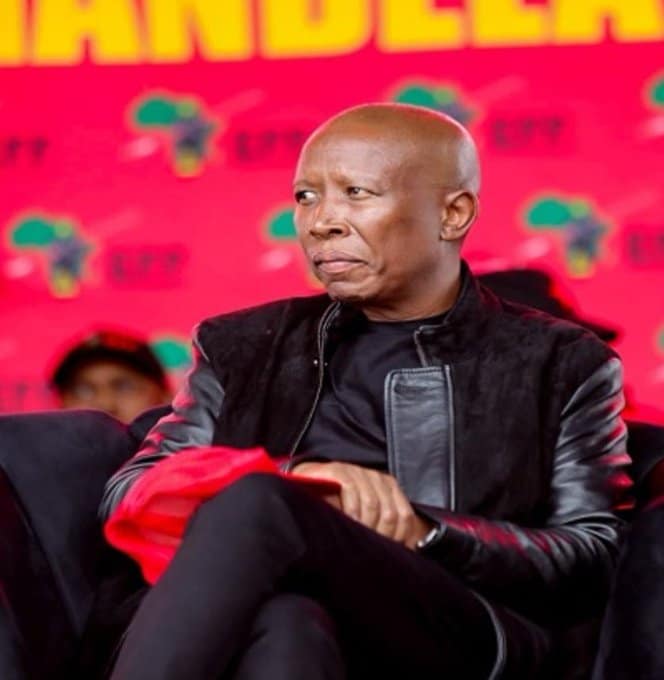
Economic Freedom Fighters (EFF) leader Julius Malema has described South Africa’s electricity prices as exorbitant and demanded that they be reduced, telling a provincial manifesto rally in Motherwell that any metro his party wins in the 4 November local government elections would cut tariffs for poor communities. His argument, delivered with characteristic passion, rested on a simple premise: South Africa sits atop vast coal reserves, and it is unacceptable that citizens should pay punishing rates for power generated from their own soil.
“Our electricity is expensive because the system is designed to enrich a few while the majority struggle to keep the lights on,” Malema told a cheering crowd. “We have coal under our ground. We have the resources. There is no reason why a pensioner in Motherwell should choose between food and electricity.” He pledged that EFF-led municipalities would introduce sliding-scale tariffs that protect indigent households, while ensuring that those who can afford to pay do so fairly.
Malema also criticised the government’s energy policies, accusing the ANC of mismanaging Eskom, failing to invest in infrastructure, and allowing corruption to drain the utility’s coffers. He argued that the ongoing load-shedding crisis and rising tariffs are symptoms of a broken system that prioritises profit over people.
The EFF’s manifesto commitments on electricity form part of a broader platform that includes land expropriation, nationalisation of mines and banks, and free basic services for the poor. While critics have dismissed these promises as populist and economically unfeasible, Malema’s message resonates with many South Africans who feel abandoned by the political establishment and crushed by the rising cost of living.
For the residents of Motherwell and other impoverished communities, the promise of cheaper electricity is more than a political slogan, it is a lifeline. Whether the EFF can deliver on that promise, should it win control of key metros, remains to be seen. But for now, Malema has put the cost of energy at the centre of the electoral debate, forcing rival parties to respond to a grievance that affects millions of households every single day.
As the campaign intensifies ahead of the November polls, the battle over electricity prices is set to become one of the defining issues of the election, a contest not just of policies, but of competing visions for South Africa’s energy future.
About The Author