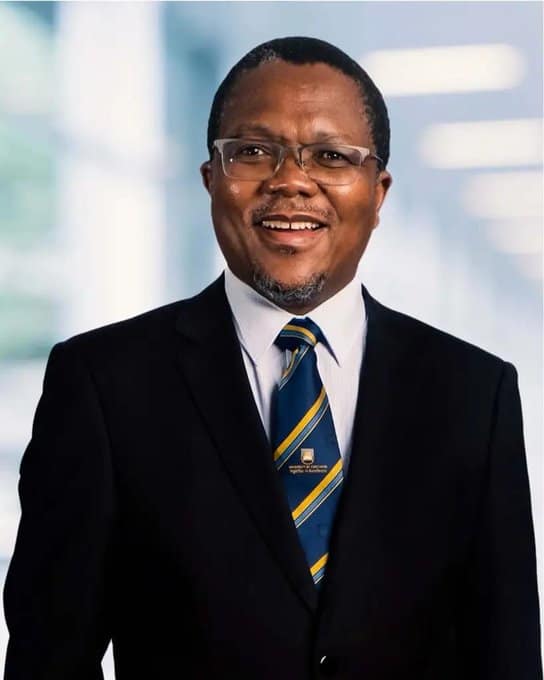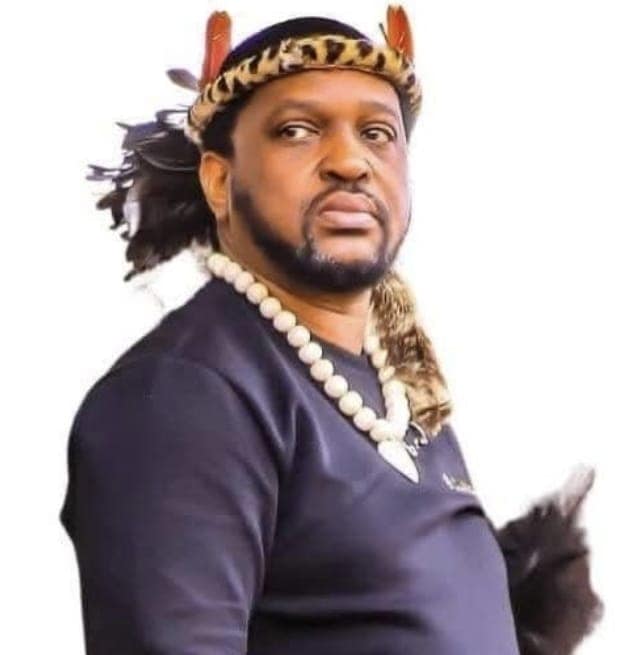
In a striking intervention that has sent ripples through traditional, political, and community circles, His Majesty King Misuzulu kaZwelithini has formally authorised the immediate suspension of several high-ranking members of the Ingonyama Trust Board, officially cited as “disruptive elements” obstructing the governance of one of South Africa’s most significant traditional institutions. The move, unprecedented in the Trust’s recent history, is backed by the national Minister of Agriculture, Land Reform and Rural Development, Mr. Mzwanele Nyhontso, signalling a rare unity between the Zulu monarchy and the state in tackling alleged deep-seated dysfunction.
The Heart of the Matter: Land, Legacy, and Accountability
The Ingonyama Trust, established in 1994, holds approximately 2.8 million hectares of KwaZulu-Natal’s land—nearly 30% of the province—in trust for the benefit, welfare, and socio-economic development of the Zulu nation. Its board, chaired by the Zulu Monarch, is tasked with the sacred duty of managing this vast ancestral patrimony. However, for years, whispers of financial mismanagement, opaque leasing practices, and internal factionalism have clouded its operations.
The current crisis reached a tipping point following a series of confidential reports to both the Royal Household and the Ministry, alleging not only procedural misconduct but also potential financial improprieties. Sources close to the matter indicate that a faction within the board had grown increasingly resistant to calls for transparency and modernized governance, actively stalling attempts to review contracts and financial records.
A King’s Resolve and a Minister’s Partnership
Faced with what palace insiders describe as “a campaign of obstruction,” King Misuzulu, after extensive consultation with trusted advisors and traditional leaders, determined that decisive action was necessary to preserve the integrity of the Trust. He reached out to Minister Nyhontso, whose department has ultimate oversight of the Trust’s legal framework.
“In the spirit of cooperation and for the ultimate benefit of the communities who depend on this land, His Majesty has endorsed a temporary suspension of certain individuals to allow for a clean and unimpeded investigation,” a senior royal advisor stated. “The King’s primary concern is the welfare of his people and the safeguarding of their heritage.”
Minister Nyhontso echoed this sentiment, framing the intervention as both corrective and protective. “This is not an attack on the institution of the Ingonyama Trust, but a necessary step to strengthen it. We cannot allow allegations of disruption and malpractice to fester. A forensic audit will lay all facts bare,” the Minister announced.
The Road Ahead: Forensic Audit and Community Anxiety
The suspended members, whose names are being withheld pending formal disciplinary processes, are required to step aside immediately. An independent forensic firm is expected to be appointed within days to conduct a sweeping audit of the Trust’s finances, lease agreements, and decision-making records over the past decade.
For the millions of rural residents living on Trust land, this high-level drama translates to profound uncertainty mixed with hope. The Trust controls everything from residential sites to agricultural leases and mining permits. Chronic issues include disputed leases, unclear revenue distribution, and frustrations over development delays.
“Some of us have been waiting years for simple things like permission to renovate or expand our homes,” said Nomalanga Mkhize, a community activist from Ulundi. “If this clears the rot and makes the Trust work for the people, not for a few, then we support it. But we are watching closely. Our land is our life.”
Political and Traditional Crosscurrents
The King’s decision has not been met with universal acclaim. Some traditional figures and political commentators see the involvement of the Minister as an overreach of government authority into traditional affairs. Others, however, argue that the King has demonstrated assertive leadership by using his statutory position as Trust Chairman to cleanse the institution.
“This is a defining moment for King Misuzulu’s reign,” observed political analyst Professor Sipho Dlamini. “He is walking a tightrope between asserting his royal authority to reform, respecting the delicate partnership with the state, and managing internal dynastic politics. How he navigates this will significantly impact his credibility as both a modern monarch and a custodian of culture.”
A Waiting Game
As the suspensions take effect and investigators prepare to move in, the province holds its breath. The outcomes of the forensic audit could lead to criminal charges, permanent removals, or a comprehensive overhaul of the Trust’s governance model. What is clear is that the ancient institution of the Ingonyama Trust stands at a modern crossroads, its future course to be determined by a quest for accountability initiated by the King himself. The drama in the boardroom is just beginning, but its echoes will be felt in the farthest rural homesteads of KwaZulu-Natal for years to come.
About The Author