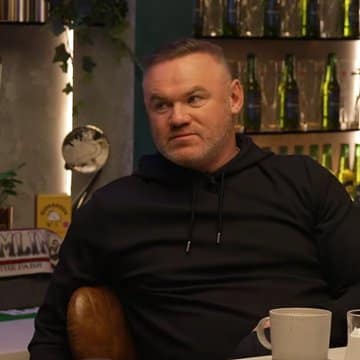
Rooney made the remarks during a candid discussion on the Stick to Football podcast, where he was joined by an all-star panel including Gary Neville, Roy Keane, Ian Wright, and Jill Scott. The episode, which aired this week, was meant to be a nostalgic look at World Cup memories. Instead, it has sparked a furious backlash from South Africans, a fresh round of statistical debates among football fans, and accusations that the English striker’s comments were colored by his own bitter memories of the tournament.
The 2010 World Cup: ‘No Atmosphere, Empty Stands’
The trouble began when the panel began dissecting the World Cups they had experienced. Rooney, who was a key member of Fabio Capello’s England squad in South Africa, did not hold back.
“For me, 2010 was the worst World Cup. It just was,” Rooney said flatly. “There was no atmosphere. You were playing in stadiums that were half-empty. The vuvuzelas, okay, that was the culture, but it just felt like there was no energy in the grounds. It was flat.”
His comments were met with nods from some of his fellow panelists, but they immediately drew the ire of South Africans who remember the tournament—the first ever held on African soil—as a moment of immense national pride and continental achievement.
Social media in South Africa erupted within hours. Former players, politicians, and ordinary citizens lined up to defend the legacy of 2010, pointing out that Rooney’s England side had crashed out in humiliating fashion, losing 4-1 to Germany in the Round of 16—a match widely remembered for a Frank Lampard goal that crossed the line but was not given, a moment that became a symbol of England’s tournament misfortunes.
Minister McKenzie: ‘Sour Grapes from a Loser’
The most forceful response came from South Africa’s Minister of Sports, Arts, and Culture, Gayton McKenzie. In a characteristically blunt statement, McKenzie dismissed Rooney’s critique as the bitter lament of a man who could not handle the heat on African soil.
“Wayne Rooney says 2010 was the worst World Cup. Let me tell you what was worst: England’s performance,” McKenzie said. “They came, they saw, they got knocked out by Germany. That is sour grapes from a loser. South Africa hosted the best World Cup the world has ever seen. The whole world came together, the vuvuzelas became a global sound, and we showed Africa could do it.”
McKenzie reminded Rooney that the 2010 tournament was widely praised by FIFA and international observers for its organization, its security, and its vibrant fan culture. He also noted that while England was packing its bags early, millions of South Africans and visitors from across the continent were celebrating a tournament that broke attendance records for an African-hosted event.
“Maybe if England had played better, he would have heard the atmosphere a bit louder,” McKenzie added. “Next time, instead of blaming the vuvuzelas, maybe look at the scoreboard.”
Defending the Vuvuzela
The debate also reignited discussions about the vuvuzela, the plastic horn that became the soundtrack of the 2010 World Cup. While some international viewers and players complained about the constant drone, many South Africans defended it as an authentic expression of local football culture.
“The vuvuzela is ours. It is the sound of South African football,” said one commentator on a local sports show. “Rooney does not have to like it, but calling the whole tournament the worst because he could not concentrate is disrespectful to the 450,000 international fans who came to our country and left saying it was the best experience of their lives.”
The Neymar Debate: A Striker’s Verdict
As if the World Cup controversy was not enough, Rooney also used the podcast to weigh in on the legacy of Neymar, the Brazilian icon who recently retired from international football after a glittering but injury-plagued career.
“Neymar is not in the top tier,” Rooney argued. “He had unbelievable talent, but the top tier—the Messis, the Ronaldos—it is about consistency at the very highest level year after year, and I don’t think he had that. There were too many injuries, too many disruptions.”
Rooney’s assessment quickly drew a fierce response from Neymar’s legion of fans, who flooded social media with statistics comparing the two players’ careers.
| Category | Neymar | Wayne Rooney |
|---|---|---|
| Goals | 450+ | 366 |
| Assists | 260+ | 200+ (approx) |
| Trophies | 30+ | 16 |
| Major Trophies | UEFA Champions League, FIFA Club World Cup, Copa Libertadores, Olympic Gold | UEFA Champions League (1), Premier Leagues (5) |
“Neymar has more goals, more assists, more trophies, and played in an era with two aliens named Messi and Ronaldo,” one fan posted on X (formerly Twitter). “Rooney was world-class, but put some respect on Neymar’s name.”
Others, however, agreed with Rooney, pointing to Neymar’s inconsistent availability and his failure to win the Ballon d’Or as evidence that he fell short of the all-time greats.
“He had the talent to be the best of his generation, but his career was defined by what could have been, not what was,” one football analyst commented.
Fan Polls and Memes
Within hours, fan polls began circulating online. One informal poll on a popular football fan account asked: “Who had the better career?” with Neymar edging Rooney by a 58–42 margin. Memes also flooded timelines, with one popular image showing Rooney holding a vuvuzela with the caption: “Still mad about 2010.”
Another meme juxtaposed Rooney’s 2010 World Cup campaign—in which he failed to score and was visibly frustrated throughout—with Neymar’s 2014 campaign, where he carried Brazil to the semi-finals before a back injury ended his tournament.
The Panel Reacts
On the podcast itself, Rooney’s fellow panelists largely stayed out of the ensuing controversy, though Gary Neville offered a measured defense of his former teammate.
“Wayne’s opinion on Neymar is his opinion, and he is entitled to it,” Neville said. “He played at the highest level for a long time, so his perspective matters. But I think we can all agree Neymar was an incredible talent.”
Ian Wright, meanwhile, offered a more diplomatic take on the World Cup debate. “South Africa 2010 was a special moment for the continent. We can’t take that away from them. But for us, as England players, it was a disappointment. Maybe that colors the memory.”
The Bigger Picture
For South Africans, the dual controversy has reignited a fierce pride in the 2010 World Cup, a tournament that remains a defining moment in the nation’s post-apartheid history. For football fans globally, the debate over Neymar’s legacy has added fresh fuel to an ongoing conversation about how greatness is measured.
And for Wayne Rooney, a man accustomed to controversy throughout his career, the backlash from Cape Town to São Paulo serves as a reminder that even in retirement, his words carry weight—and consequences. Whether he intended to offend or not, he has ensured that for the foreseeable future, the vuvuzelas will be blowing a little louder in his direction.
Wayne Rooney, the former England captain and Manchester United legend, has ignited a firestorm of controversy on two continents after launching a blistering attack on the 2010 FIFA World Cup, labeling it the worst in history, while simultaneously delivering a damning verdict on Brazilian superstar Neymar’s place in football’s pantheon.
Rooney made the remarks during a candid discussion on the Stick to Football podcast, where he was joined by an all-star panel including Gary Neville, Roy Keane, Ian Wright, and Jill Scott. The episode, which aired this week, was meant to be a nostalgic look at World Cup memories. Instead, it has sparked a furious backlash from South Africans, a fresh round of statistical debates among football fans, and accusations that the English striker’s comments were colored by his own bitter memories of the tournament.
The 2010 World Cup: ‘No Atmosphere, Empty Stands’
The trouble began when the panel began dissecting the World Cups they had experienced. Rooney, who was a key member of Fabio Capello’s England squad in South Africa, did not hold back.
“For me, 2010 was the worst World Cup. It just was,” Rooney said flatly. “There was no atmosphere. You were playing in stadiums that were half-empty. The vuvuzelas, okay, that was the culture, but it just felt like there was no energy in the grounds. It was flat.”
His comments were met with nods from some of his fellow panelists, but they immediately drew the ire of South Africans who remember the tournament—the first ever held on African soil—as a moment of immense national pride and continental achievement.
Social media in South Africa erupted within hours. Former players, politicians, and ordinary citizens lined up to defend the legacy of 2010, pointing out that Rooney’s England side had crashed out in humiliating fashion, losing 4-1 to Germany in the Round of 16—a match widely remembered for a Frank Lampard goal that crossed the line but was not given, a moment that became a symbol of England’s tournament misfortunes.
Minister McKenzie: ‘Sour Grapes from a Loser’
The most forceful response came from South Africa’s Minister of Sports, Arts, and Culture, Gayton McKenzie. In a characteristically blunt statement, McKenzie dismissed Rooney’s critique as the bitter lament of a man who could not handle the heat on African soil.
“Wayne Rooney says 2010 was the worst World Cup. Let me tell you what was worst: England’s performance,” McKenzie said. “They came, they saw, they got knocked out by Germany. That is sour grapes from a loser. South Africa hosted the best World Cup the world has ever seen. The whole world came together, the vuvuzelas became a global sound, and we showed Africa could do it.”
McKenzie reminded Rooney that the 2010 tournament was widely praised by FIFA and international observers for its organization, its security, and its vibrant fan culture. He also noted that while England was packing its bags early, millions of South Africans and visitors from across the continent were celebrating a tournament that broke attendance records for an African-hosted event.
“Maybe if England had played better, he would have heard the atmosphere a bit louder,” McKenzie added. “Next time, instead of blaming the vuvuzelas, maybe look at the scoreboard.”
Defending the Vuvuzela
The debate also reignited discussions about the vuvuzela, the plastic horn that became the soundtrack of the 2010 World Cup. While some international viewers and players complained about the constant drone, many South Africans defended it as an authentic expression of local football culture.
“The vuvuzela is ours. It is the sound of South African football,” said one commentator on a local sports show. “Rooney does not have to like it, but calling the whole tournament the worst because he could not concentrate is disrespectful to the 450,000 international fans who came to our country and left saying it was the best experience of their lives.”
The Neymar Debate: A Striker’s Verdict
As if the World Cup controversy was not enough, Rooney also used the podcast to weigh in on the legacy of Neymar, the Brazilian icon who recently retired from international football after a glittering but injury-plagued career.
“Neymar is not in the top tier,” Rooney argued. “He had unbelievable talent, but the top tier—the Messis, the Ronaldos—it is about consistency at the very highest level year after year, and I don’t think he had that. There were too many injuries, too many disruptions.”
Rooney’s assessment quickly drew a fierce response from Neymar’s legion of fans, who flooded social media with statistics comparing the two players’ careers.
| Category | Neymar | Wayne Rooney |
|---|---|---|
| Goals | 450+ | 366 |
| Assists | 260+ | 200+ (approx) |
| Trophies | 30+ | 16 |
| Major Trophies | UEFA Champions League, FIFA Club World Cup, Copa Libertadores, Olympic Gold | UEFA Champions League (1), Premier Leagues (5) |
“Neymar has more goals, more assists, more trophies, and played in an era with two aliens named Messi and Ronaldo,” one fan posted on X (formerly Twitter). “Rooney was world-class, but put some respect on Neymar’s name.”
Others, however, agreed with Rooney, pointing to Neymar’s inconsistent availability and his failure to win the Ballon d’Or as evidence that he fell short of the all-time greats.
“He had the talent to be the best of his generation, but his career was defined by what could have been, not what was,” one football analyst commented.
Fan Polls and Memes
Within hours, fan polls began circulating online. One informal poll on a popular football fan account asked: “Who had the better career?” with Neymar edging Rooney by a 58–42 margin. Memes also flooded timelines, with one popular image showing Rooney holding a vuvuzela with the caption: “Still mad about 2010.”
Another meme juxtaposed Rooney’s 2010 World Cup campaign—in which he failed to score and was visibly frustrated throughout—with Neymar’s 2014 campaign, where he carried Brazil to the semi-finals before a back injury ended his tournament.
The Panel Reacts
On the podcast itself, Rooney’s fellow panelists largely stayed out of the ensuing controversy, though Gary Neville offered a measured defense of his former teammate.
“Wayne’s opinion on Neymar is his opinion, and he is entitled to it,” Neville said. “He played at the highest level for a long time, so his perspective matters. But I think we can all agree Neymar was an incredible talent.”
Ian Wright, meanwhile, offered a more diplomatic take on the World Cup debate. “South Africa 2010 was a special moment for the continent. We can’t take that away from them. But for us, as England players, it was a disappointment. Maybe that colors the memory.”
The Bigger Picture
For South Africans, the dual controversy has reignited a fierce pride in the 2010 World Cup, a tournament that remains a defining moment in the nation’s post-apartheid history. For football fans globally, the debate over Neymar’s legacy has added fresh fuel to an ongoing conversation about how greatness is measured.
And for Wayne Rooney, a man accustomed to controversy throughout his career, the backlash from Cape Town to São Paulo serves as a reminder that even in retirement, his words carry weight—and consequences. Whether he intended to offend or not, he has ensured that for the foreseeable future, the vuvuzelas will be blowing a little louder in his direction.
About The Author