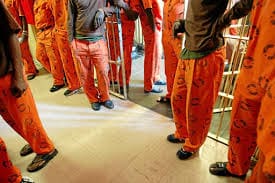
Parliament’s Portfolio Committee on Correctional Services says rehabilitation remains the core focus of South Africa’s correctional system, as more than 44,000 inmates are currently serving sentences longer than 15 years — including 20,783 who are serving life terms.
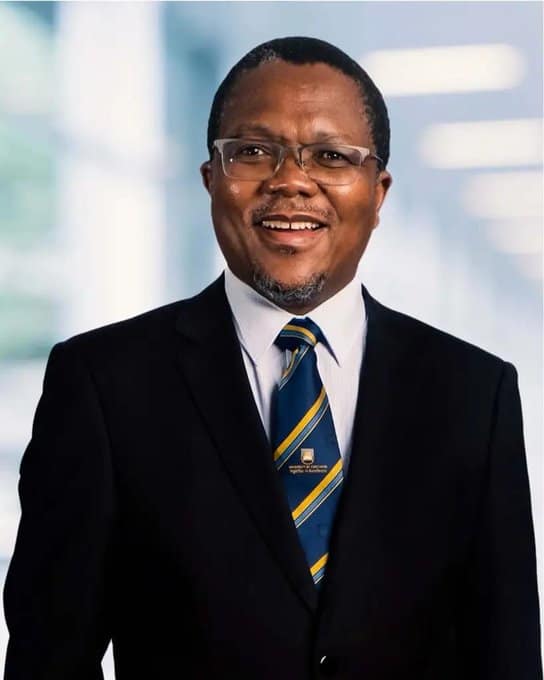
The committee received a briefing from the Department of Correctional Services (DCS) on offender management, security classification, privileges, labour programmes and gratuities. Committee chairperson, Kgomotso Ramolobeng, addressed public perceptions that correctional centres function like “hotels,” stressing that inmate privileges are structured to promote discipline, responsibility and rehabilitation.
She said the White Paper on Corrections places rehabilitation at the centre of the system and emphasised that the DCS must ensure adequate resources and effective programme implementation. Offenders are classified into minimum, medium and maximum security categories using a structured assessment tool that considers the nature of the crime, sentence length and risk factors.
As of 31 December 2025, the number of inmates serving life sentences increased by 1.10% compared to the previous quarter.
Ramolobeng explained that access to amenities, sports and education programmes is dependent on good behaviour and active participation. These incentives are intended to encourage accountability, maintain family ties and prepare inmates for reintegration into society.
Although inmates are not formally employed by the department, work programmes are regarded as essential in reducing idleness and equipping offenders with practical skills for life after release. The committee was also informed of a 3.2% increase in gratuity tariffs for the 2025/26 financial year to account for inflation.
In addition, the committee highlighted the importance of Community Corrections (ComCo), including halfway houses and community-based supervision, to reduce repeat offending. Ramolobeng called for stronger partnerships with communities and non-profit organisations and proposed that inmates receive certificates recognising the skills they acquire, to assist them in finding employment upon release.
The committee said it will continue monitoring the department’s progress in strengthening rehabilitation services and improving reintegration outcomes.
About The Author