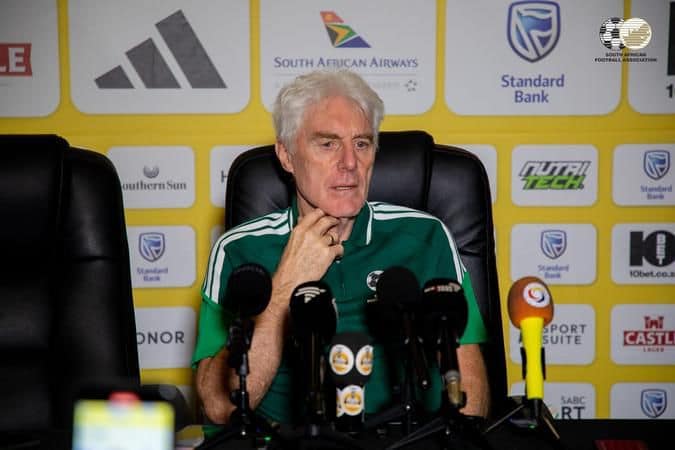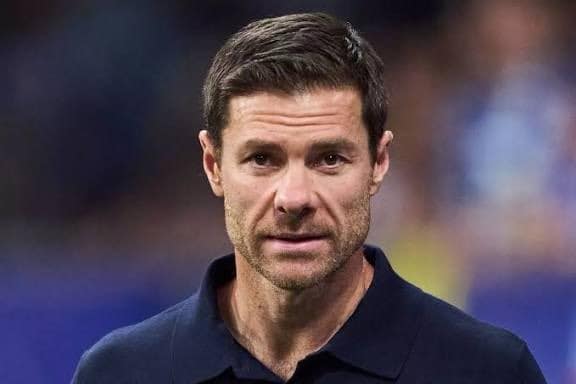
The Santiago Bernabéu, a fortress built on legacy and victory, now echoed with the uneasy silence of a sudden, seismic shift. In a tersely worded statement that belied the turmoil beneath, Real Madrid C.F. and head coach Xabi Alonso announced a mutual agreement to part ways, a mere seven months into his highly anticipated homecoming. The football world, which had watched Alonso’s Bayer Leverkusen orchestrate a breathtaking, high-octane symphony the previous season, was left stunned.
Alonso’s tenure, statistically, bore the hallmarks of a strong start. In his 34 matches at the helm, Madrid secured 24 victories, and in La Liga, they had amassed 45 points from 19 games, positioning them firmly in a title chase, albeit in second place. The surface numbers, however, masked a deepening fissure that ultimately proved insurmountable.
As reports from within the Valdebebas training complex detailed, the core issue was one of philosophical collision. Alonso arrived with a meticulously crafted blueprint, the same intense, hyper-structured, high-pressing system that had turned Leverkusen into invincibles. He demanded a collective, machine-like discipline, a total physical commitment from every player, regardless of stature or star power. It was a system that required not just adaptation, but a complete recalibration of instinct.
The Dressing Room Divide
Resistance, initially subtle, grew into palpable friction. A cadre of established veterans, accustomed to the certain autonomies and rhythms of the Carlo Ancelotti era, struggled with the rigid positional demands. The physical toll of the relentless press in Alonso’s 3-4-2-1 system was a frequent topic of private concern, with some players feeling it negated their individual creative spark. Whispers of “this isn’t how we do things here” began to circulate, a dangerous sentiment at a club where player power has historically held significant weight. Attempts by Alonso to assert his authority, including difficult decisions on selection and training intensity, were met with a coolness that gradually froze over the coach’s rapport with key figures.
The board, initially fully supportive of their legendary former midfielder’s project, grew anxious as the discontent seeped from the dressing room into results. While wins continued, many were labored, lacking the fluent, commanding Madridismo the Bernabéu expects. A critical Champions League group stage stumble, followed by a tense, grinding league win where the team visibly retreated into old habits, signaled that Alonso’s voice was being drowned out.
A Swift and Symbolic Succession
The break, termed “mutual,” was a diplomatic necessity, but the speed of the succession spoke volumes. Within hours, the club announced Álvaro Arbeloa, 43, as the new first-team coach. The promotion of the former stalwart defender from his role with Castilla was a masterstroke in messaging: an embrace of the club’s DNA, a beloved figure known for his unyielding character and deep understanding of the Madrid ecosystem. His first test would be immediate and symbolic—a Copa del Rey clash against Albacete.
The public reaction was a tapestry of shock, speculation, and sorrow. Kylian Mbappé, the shining new galactico who had joined under Alonso’s project, shared a respectful and poignant farewell on social media: “A man of immense football wisdom and integrity. Thank you, Mister. Wishing you all the best.” The post, while graceful, fueled further fan debate about the influence of the squad’s heavyweights in the downfall.
A Club at a Crossroads
As Arbeloa takes the helm, his task is twofold: to instantly re-unite a fractured squad and reignite a stuttering title charge. He represents a return to familiar roots, a figure who commands respect through shared history rather than a foreign tactical doctrine. The coming days will reveal whether his appointment is a calming bridge or a stark admission that the modern, system-driven football Alonso represents is incompatible with the galaxy of stars in the Spanish capital.
The Alonso era at Real Madrid ends not with a trophy, but with a profound question hanging over the Bernabéu: in an age of obsessive tactical systems, does the club’s identity—built on individual brilliance and conquering egos—require evolution, or is its timeless tradition ultimately ungovernable by any one philosophy? The search for that answer continues, now under the watchful eye of a Madridista through and through.
About The Author