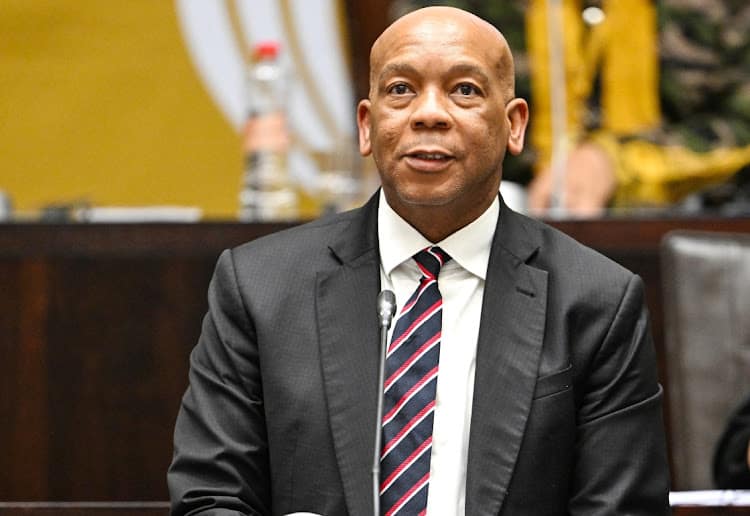
Electricity and Energy Minister Kgosientso Ramokgopa has announced an ambitious plan to eliminate load shedding—the practice of cutting power to specific, often impoverished areas—within the next 12 months. However, the success of this deadline is entirely conditional on community cooperation.
In a statement that places significant responsibility on residents, Ramokgopa declared that the government can end the practice within a year, but only “if there is absolute co-operation by communities.” He acknowledged that in areas where resistance is met, the deadline would be extended by an additional six months to allow for further engagement.
“There are parts of the country where we are confident we will get that co-operation; there are parts of the country where we know it’s going to be difficult,” the minister said, drawing a clear line between the government’s ability to implement infrastructure solutions and the public’s willingness to allow the work to proceed.
This pledge directly addresses criticism that load reduction disproportionately affects poor communities, a practice he implicitly acknowledged as “discriminatory.” The announcement sets a clear, yet contingent, timeline for resolving an issue that has compounded the hardship of the ongoing national energy crisis for the most vulnerable citizens.
About The Author