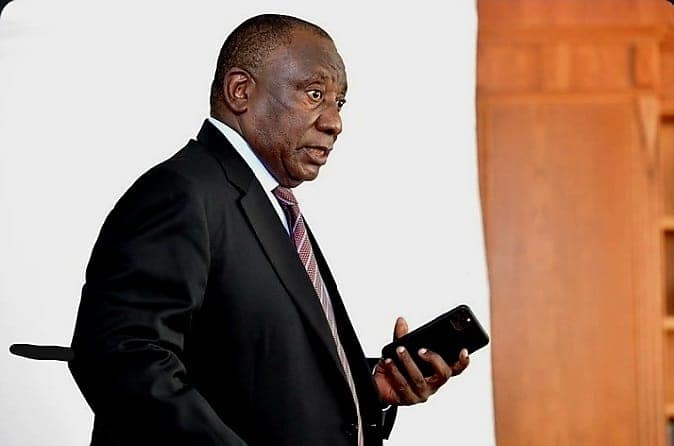
In a move that signals a seismic shift in South Africa’s foreign military engagement, President Cyril Ramaphosa personally orchestrated the nation’s exit from the United Nations Stabilization Mission in the Democratic Republic of the Congo (MONUSCO) through a confidential high-level call with UN Secretary-General António Guterres last month. This decisive conversation, confirmed to The Bulletin by multiple diplomatic and defense sources, has set in motion the end of South Africa’s near three-decade-long role as a cornerstone of UN peacekeeping efforts in Central Africa’s most volatile theatre.
The withdrawal, expected to be executed in a phased manner over the next financial year, concludes a chapter that began with pivotal South African involvement in the UN’s Observer Mission to the DRC (MONUC) in 1999. It marks a profound strategic recalibration, prioritizing domestic security imperatives and the acute strain on the South African National Defence Force (SANDF) after years of extended and costly foreign deployments.
The Secret Call: A Diplomatic Off-Ramp
According to insiders familiar with the discussion, the Ramaphosa-Guterres call, held in late February, was both candid and collegial. The President reportedly framed the decision not as a abandonment of international duty, but as a necessary rebalancing. He emphasized South Africa’s unwavering commitment to continental peace and security through diplomatic and regional mechanisms like the Southern African Development Community (SADC) and the African Union, while outlining the unsustainable pressure on the SANDF.
“The message was clear: South Africa remains a partner for peace, but the tool must change,” said a senior government official privy to the call’s aftermath, speaking on condition of anonymity. “The President expressed deep appreciation for the UN partnership but argued compellingly that the SANDF is stretched to its absolute limit, facing critical budget shortfalls, aging equipment, and a pressing need to address security challenges within its own borders.”
Secretary-General Guterres is understood to have acknowledged the significant contributions and sacrifices made by South Africa—which has lost over 30 soldiers in the DRC since 2013—while expressing regret at the departure of one of MONUSCO’s most capable contingents. Discussions reportedly turned to ensuring a responsible, coordinated drawdown to avoid creating a security vacuum in South Africa’s operational sectors.
The Domestic Imperative: A Military “Back to Basics”
The withdrawal is, at its core, a response to a chorus of concerns from defense analysts, parliamentary committees, and military command. The SANDF is grappling with a perfect storm of challenges:
- Financial Asphyxiation: The defence budget has seen real-term declines for over a decade, crippling maintenance, procurement, and operational readiness. Funding a brigade-sized deployment in the DRC, estimated to cost billions of rands annually, has become increasingly untenable.
- Capability Erosion: Critics have long warned that the force is “overstretched and under-resourced,” with peacekeeping duties sapping capacity for core constitutional mandates: border protection, domestic disaster response, and supporting police in crime-ridden areas.
- Shifting Threat Landscape: The growing intensity of violent extremism in Mozambique’s Cabo Delgado province—where South Africa leads the SADC Mission (SAMIM)—and rising internal instability have forced a hard reassessment of strategic priorities.
“This is a ‘back to basics’ moment for the SANDF,” said Helmoed Heitman, a respected military analyst. “The DRC mission was noble, but it became a luxury the country can no longer afford. The army needs to reconstitute itself, repair its equipment, and focus on the immediate threats to South African sovereignty and regional stability in our direct sphere of influence.”
Regional Repercussions and the Future of MONUSCO
South Africa’s exit deals a significant blow to MONUSCO’s operational capacity, particularly its rapid intervention capabilities. It also raises urgent questions for the mission’s future as the DRC government, and a weary local population, increasingly call for its departure.
Regional powers are watching closely. The move may accelerate the transition from a UN-led mission to a regionally-owned security framework, potentially bolstering the role of the East African Community (EAC) regional force or other African-led initiatives. However, it also places greater responsibility on the DRC’s own armed forces (FARDC), which have struggled with discipline and effectiveness.
A Legacy and a New Chapter
For South Africa, the withdrawal closes a defining post-apartheid chapter of ambitious international peacekeeping—a tangible expression of its “African Renaissance” ideals. Yet, it opens a new, more introspective one defined by sober resource constraints and hard-nosed strategic choices.
The phased drawdown will now be managed by the National Defence Secretariat in close consultation with the UN Department of Peacekeeping Operations. President Ramaphosa is expected to make a formal announcement to Parliament in the coming weeks, framing the decision not as a retreat, but as a necessary strategic consolidation for a nation redirecting its finite military resources to safeguard its own future while seeking new, sustainable ways to foster continental stability.
About The Author