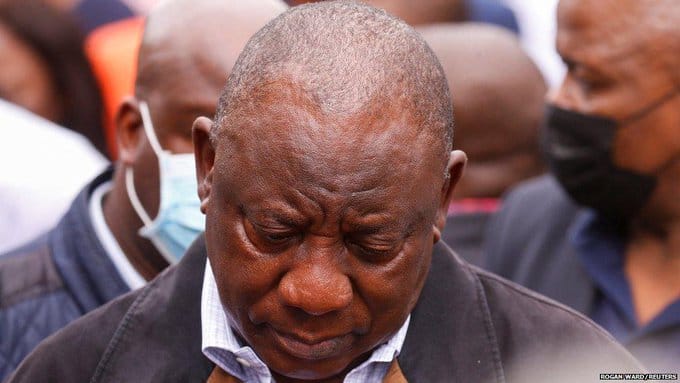
President Cyril Ramaphosa will this afternoon travel to some of the hardest-hit areas of Limpopo province, following days of catastrophic flooding that have left a trail of destruction, claimed multiple lives, and displaced hundreds of families. The visit, confirmed by the Presidency this morning, is framed as both an assessment of the damage and a direct engagement with distressed communities.
The flooding, triggered by a sustained period of torrential rains, has caused rivers—including the overflowing Nzhelele, Levhuvhu, and Letaba—to burst their banks. Preliminary reports from provincial disaster management teams indicate widespread damage to critical infrastructure, including the collapse of bridges, washing away of roads, and severe damage to water, sanitation, and electrical systems. Agricultural lands have been submerged, dealing a crippling blow to local subsistence farmers and commercial operations alike.
The Human Toll
The human cost is severe and still being calculated. Provincial authorities have confirmed several fatalities, with search and rescue teams continuing operations in isolated areas. An unconfirmed number of people are reported missing. Hundreds of residents have been evacuated to temporary shelters set up in community halls and schools, where they face shortages of food, clean water, blankets, and sanitation facilities.
“We have lost everything—our home, our crops, our livestock. The water took it all in minutes,” said one affected resident from the Thulamela municipality via a local radio interview. “We are grateful to be alive, but we need help now.”
Purpose of the Presidential Visit
President Ramaphosa’s itinerary is expected to include an aerial survey of the worst-affected regions, followed by ground visits to inundated communities and relief centres. According to a presidential spokesperson, the aim is threefold:
- To assess the scale of the disaster firsthand and receive detailed briefings from the South African National Defence Force (SANDF), the South African Police Service (SAPS), and provincial disaster management teams on the ground.
- To offer direct reassurance and solidarity to displaced families and those who have suffered loss, acknowledging the trauma and slow pace of recovery.
- To coordinate and expedite the national government’s response, ensuring that relief efforts—spearheaded by the National Disaster Management Centre (NDMC)—are adequately resourced and effectively integrated with provincial and municipal actions.
Mounting Pressure for a Robust Response
The visit comes amid growing pressure on all levels of government to demonstrate a swift and effective response. Opposition parties and community leaders have highlighted concerns over the preparedness of aging infrastructure for such extreme weather events, which scientists link to climate change. There are urgent calls not only for immediate humanitarian aid—including water, food parcels, and temporary housing—but also for a credible, funded plan for rebuilding infrastructure and providing long-term support to displaced families.
“This tragedy underscores the vulnerability of our communities and the pressing need for climate-resilient infrastructure,” stated a coalition of civil society organisations in a joint release. “The President’s visit must translate into immediate, tangible relief and a committed plan for reconstruction.”
The Presidency has indicated that following the assessment, President Ramaphosa will chair a meeting of the relevant ministers to consolidate the government’s response package. The nation will be watching closely, hoping that the presidential engagement marks a turning point from emergency management to the beginning of a sustained recovery for the people of Limpopo.
About The Author