A cloud of financial uncertainty hangs over the City of Johannesburg’s extensive pre-G20 Summit sprucing-up campaign, with the Democratic Alliance (DA) launching a formal demand for transparency over an alleged R500 million allocation for the global event. The opposition party is questioning the source, governance, and ultimate destination of these funds, amid a noticeable but seemingly selective surge in municipal cleanup operations.
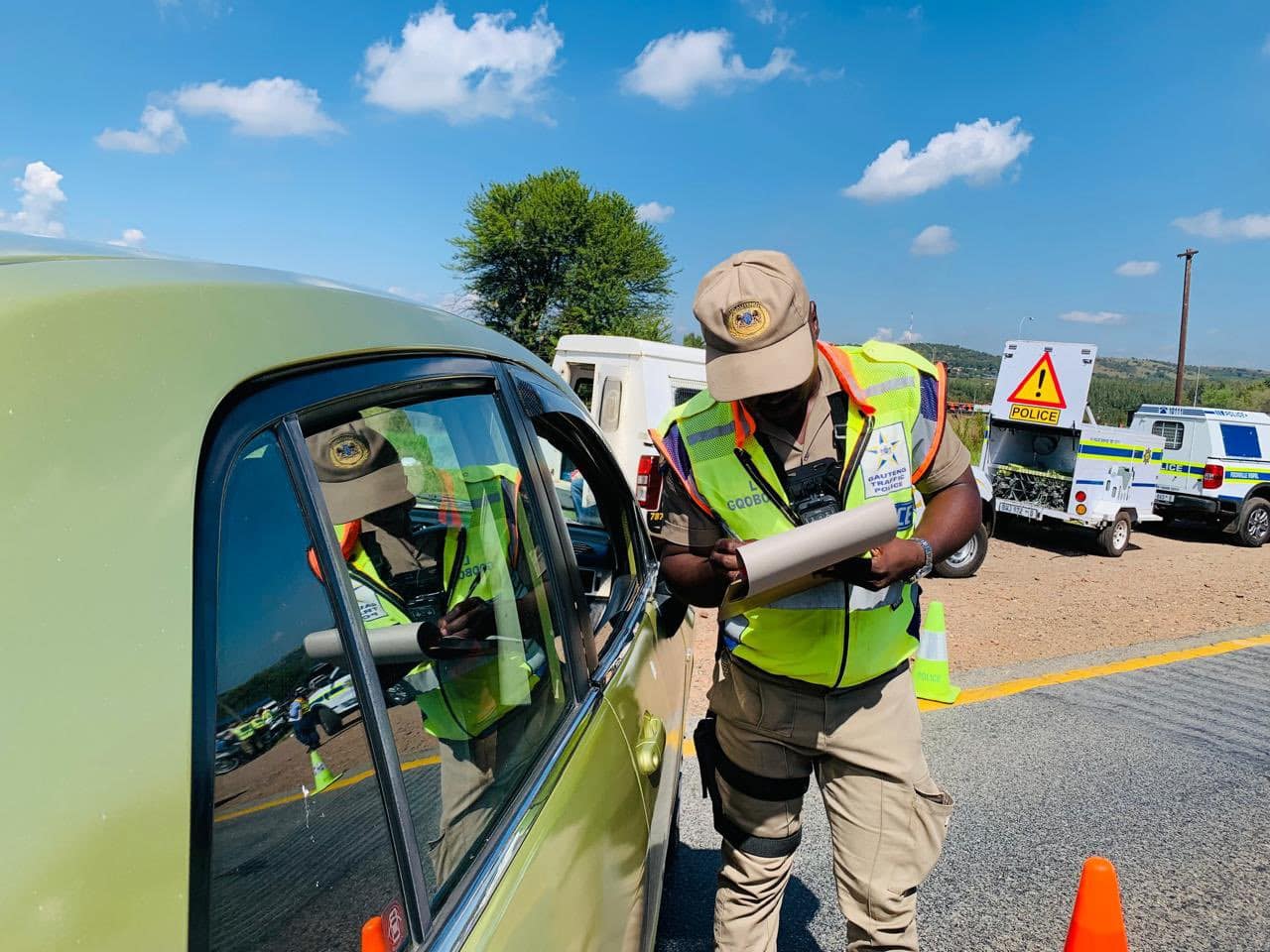
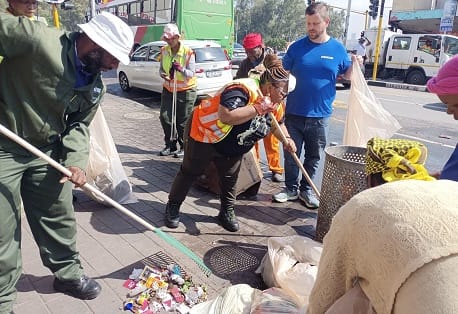
The political confrontation was triggered by a visible uptick in city-wide activities, including rapid road repairs, pavement cleaning, tree-trimming, and graffiti removal along key routes between OR Tambo International Airport, luxury hotels in Sandton, and the Nasrec Expo Centre, the summit’s main venue. While the cosmetic improvements are welcomed by frustrated residents long accustomed to potholed roads and pervasive litter, the DA argues that the sudden efficiency raises critical questions about financial management and political priorities.
“A Mirage of Competence”
The DA’s Shadow MMC for Finance in Johannesburg, Councillor Belinda Kayser-Eche, has submitted urgent written questions to the ANC/PA-led City government, demanding a full breakdown of the purported R500 million.
“Residents are right to ask why their streets can be cleaned and their potholes filled for a two-day international event, but not for their daily lives and livelihoods,” Kayser-Eche stated. “This R500 million expenditure, if it exists, creates a mirage of competence. We need to know: was this money formally appropriated in a council-approved budget? Was it an emergency allocation? Which departments are managing it, and what procurement processes were followed?”
The party’s demands for clarity include:
- Verification of the Allocation: Official confirmation from the City Treasury on the existence and source of the R500 million.
- Detailed Expenditure Report: A line-item breakdown of how the funds have been spent or are planned to be spent, including contracts awarded to service providers.
- Procurement Scrutiny: Assurance that all contracts were awarded through a fair, transparent, and competitive bidding process, in compliance with the Municipal Finance Management Act (MFMA).
- Post-Summit Plan: A commitment on whether the intensified service delivery will be sustained in all of Johannesburg’s wards after the international delegates have departed.
A Tale of Two Cities
The situation has highlighted the stark contrast between the city’s ability to mobilize resources for a high-profile event and its chronic failure to deliver consistent basic services. In areas not on the official G20 route, service delivery protests and complaints about uncollected garbage and water outages continue unabated. Critics argue that the focused cleanup creates a “Potemkin village” effect, presenting a sanitized version of Johannesburg to the world while underlying systemic issues remain unaddressed.
The City’s Mayoral Committee has so far been vague in its public statements, acknowledging “accelerated service delivery programs” for the summit but stopping short of confirming the specific R500 million figure. A spokesperson said all expenditures are “in line with the city’s operational budget and protocols.”
The DA’s move ensures that the financial footprint of the G20 will be as closely scrutinized as its diplomatic outcomes. The party has vowed to escalate its inquiry to provincial and national treasury departments if satisfactory answers are not provided, turning the city’s cleanup drive into a high-stakes political battle over transparency, accountability, and the equitable delivery of services to all of Johannesburg’s residents.
About The Author