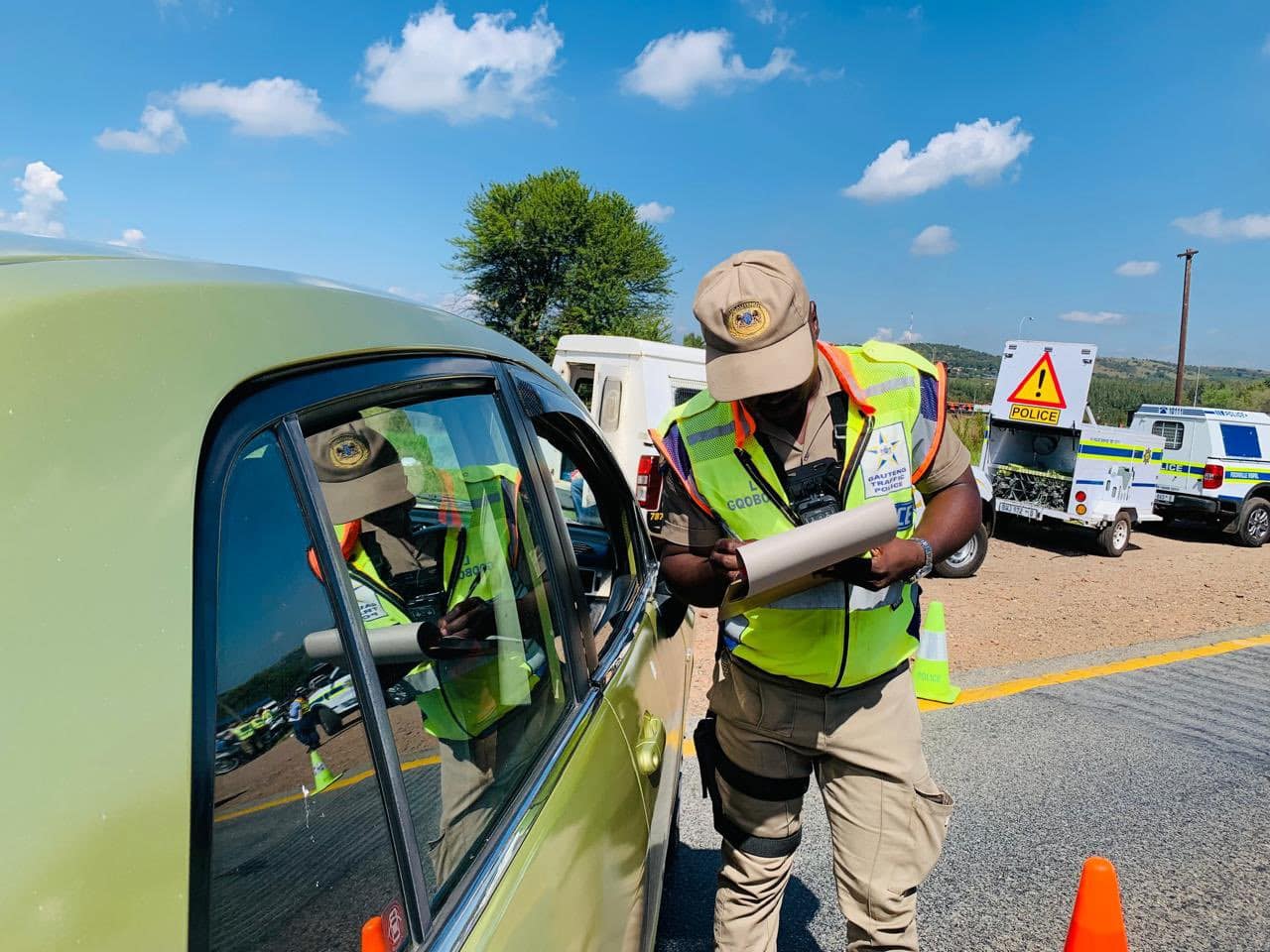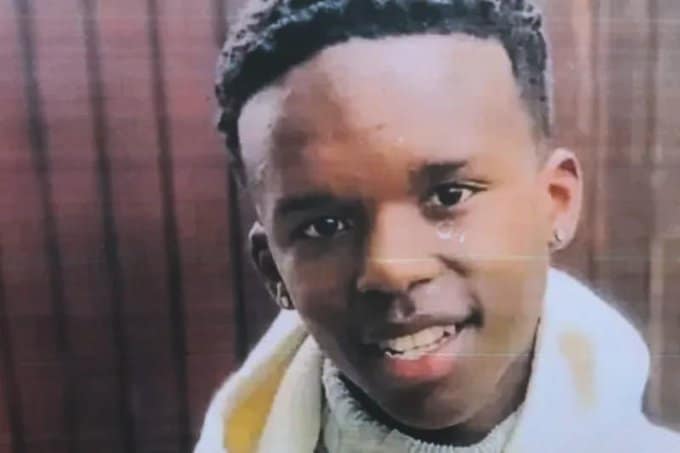
A cloud of controversy has descended over the Johannesburg policing precinct following the fatal shooting of a 16-year-old boy during an incident that has rapidly become a flashpoint for tensions between law enforcement and the community. Police authorities have strongly denied allegations of misconduct, insisting that the teenager was shot while actively attempting to rob officers who had been dispatched to respond to a complaint in the area.
The incident, which occurred earlier this week in a residential area on the outskirts of Johannesburg, has ignited a fierce debate about the use of lethal force by police, the treatment of minors in encounters with law enforcement, and the credibility of official accounts in the face of community skepticism. As the Independent Police Investigative Directorate (IPID) launches a formal inquiry, the family of the deceased and local residents are demanding answers, while police maintain that their officers acted within the bounds of the law.
Conflicting Accounts of a Deadly Encounter
According to the official police account, officers were responding to a complaint of suspicious activity in the area when they were approached by a group of individuals, including the 16-year-old, who allegedly attempted to rob them. Police spokesperson Brigadier Athlenda Mathe provided a detailed version of events, stating that the officers identified themselves and attempted to retreat from the situation before resorting to lethal force.
“Our members were carrying out their lawful duties when they were confronted by suspects who attempted to disarm them,” Mathe said. “In the ensuing struggle, the 16-year-old was shot. Preliminary investigations suggest that the deceased was part of a group that had been terrorizing the community and that the officers acted in self-defense. We reject any suggestion that this was an unjustified killing.”
However, community members and family representatives have painted a starkly different picture. Speaking at the scene where the boy fell, neighbors described hearing shouting followed by a single gunshot, with some claiming that the teenager was unarmed and posed no threat to the officers. A woman who identified herself as a relative of the deceased told reporters that the boy had been sitting with friends when police arrived and that there had been no attempt at robbery.
“He was a child. He was 16 years old. He did not have a weapon. How can they say he was trying to rob them?” she said, her voice breaking. “They came into our street and they killed a boy. We want justice.”
The divergent accounts have set the stage for a fraught investigation, with the outcome likely to hinge on forensic evidence, ballistic analysis, and the testimony of any independent witnesses who were present at the scene.
IPID Investigation Underway
The Independent Police Investigative Directorate, the civilian oversight body mandated to investigate deaths and serious injuries resulting from police actions, has confirmed that its investigators have been deployed to the scene and have begun gathering evidence. IPID spokesperson Phaladi Shuping said the investigation would be thorough and impartial, examining whether the officers involved complied with the use-of-force protocols set out in the South African Police Service’s standing orders.
“We are aware of the conflicting versions of events and we will leave no stone unturned in establishing the facts,” Shuping said. “Our investigation will include witness interviews, forensic analysis, and a review of any available video footage. We call on anyone with information to come forward.”
IPID investigations into police shootings have historically been contentious, with civil society organizations frequently criticizing the directorate for being under-resourced and slow to complete inquiries. In cases where officers are found to have acted unlawfully, the National Prosecuting Authority may decide to pursue criminal charges, though convictions for police shootings remain relatively rare.
A Pattern of Police Shootings Raises Concerns
The death of the 16-year-old is the latest in a long line of incidents in which South African police have been involved in fatal shootings of civilians, many of them young and from marginalized communities. While police often cite self-defense or the threat of violence as justification, critics argue that the threshold for the use of lethal force is too low and that accountability mechanisms remain inadequate.
According to data compiled by civil society groups, South African police kill more civilians per capita than many other countries with similarly high crime rates. The vast majority of these shootings are ruled justifiable, leading to accusations of a systemic failure to hold officers accountable for excessive use of force.
The death of a minor has added particular urgency to the latest case. Under South African law, the use of lethal force by law enforcement is permitted only when there is an imminent threat of death or serious harm to the officer or others. Whether such a threat existed in this instance will be central to the IPID investigation.
“We are talking about a child,” said a representative of a local civil society organization focused on police accountability. “Even if he was involved in criminal activity—and we do not accept that he was—the use of lethal force against a 16-year-old requires the highest level of scrutiny. The police cannot simply shoot first and explain later.”
Community Tensions Boil Over
In the days since the shooting, tensions in the Johannesburg neighborhood have escalated. Residents have gathered at the site where the boy fell, laying flowers and candles in an impromptu memorial while chanting slogans critical of the police. Local leaders have called for calm but have also demanded that the officers involved be suspended pending the outcome of the investigation.
The South African Police Service has responded by deploying additional officers to the area to prevent any outbreak of violence, while community policing forums have been activated to facilitate dialogue between residents and law enforcement. However, trust between the community and the police, already fragile in many parts of Johannesburg, has been further eroded by the incident.
“We are not saying all police are bad, but we cannot keep losing our children like this,” a community leader said. “When a child dies, a family is destroyed. When there is no accountability, a community loses faith in the system. We need answers, and we need them now.”
The Police Perspective: A Dangerous Job
Amid the public outcry, police unions and some security analysts have cautioned against rushing to judgment, pointing to the dangers inherent in policing high-crime areas. South Africa has one of the highest rates of violent crime in the world, and police officers are frequently targeted by armed criminals. The argument that officers must sometimes make split-second decisions in life-threatening situations is one that resonates with many within law enforcement.
“We cannot expect police to do their jobs if we are going to assume the worst every time an incident occurs,” a representative of a police union said. “Officers put their lives on the line every day. If they are confronted by armed individuals, they have the right to defend themselves. Let the investigation run its course before we condemn anyone.”
The union representative also noted that the allegation that the teenager was part of a group attempting to rob officers, if proven true, would fundamentally alter the moral calculus of the incident. “No one wants to see a child die. But if a 16-year-old is participating in a violent robbery, then the responsibility lies with those who put him in that situation, not the officers who responded to a legitimate threat.”
What Happens Next
As the IPID investigation proceeds, the officers involved in the shooting are expected to be placed on administrative leave, a standard precaution in such cases. Their firearms will be seized for ballistic testing, and they will be required to provide detailed statements about their actions. The investigation could take several months, depending on the complexity of the evidence and the availability of witnesses.
For the family of the deceased, the immediate priority is the funeral and the search for answers. A memorial service is being planned, with community leaders expected to use the occasion to renew calls for police reform and greater accountability.
“We are going to bury our child, and then we are going to fight for justice,” the boy’s relative said. “We will not let his death be just another statistic. We will be at the courthouse, we will follow the investigation, and we will make sure that whoever is responsible is held to account.”
The case has also drawn the attention of the South African Human Rights Commission, which has indicated that it may conduct its own parallel inquiry into the circumstances of the shooting. The Commission has previously criticized the police for a lack of transparency in cases involving the deaths of minors and has called for systemic reforms to prevent similar tragedies.
A Moment of Reckoning
The shooting of the 16-year-old has become a test case for South Africa’s ability to balance the legitimate needs of law enforcement with the protection of citizens, particularly the young and vulnerable. As the country grapples with persistently high crime rates and a police service often accused of heavy-handed tactics, incidents like this one serve as a flashpoint for deeper societal tensions.
For now, the two narratives stand in stark opposition: the police version of a lawful act of self-defense against a criminal threat, and the community version of a child killed unjustly. The truth, as is so often the case, may lie somewhere in between—or may never be fully known.
What is certain is that the family of the dead boy, and the community that has rallied around them, will not let this matter fade quietly. In a country where the relationship between police and the public is often fraught, the outcome of this case may well shape perceptions for years to come.
“We are not enemies of the police,” the community leader said. “We need them, and they need us. But we cannot have peace if there is no trust. And there can be no trust if a child can be shot in the street and we are supposed to just accept it. We need the truth. That is all we are asking for.”
The IPID investigation continues, and the officers involved await the verdict of a process that will determine not only their professional futures but, in the eyes of many, the credibility of South Africa’s system of police accountability itself.
About The Author