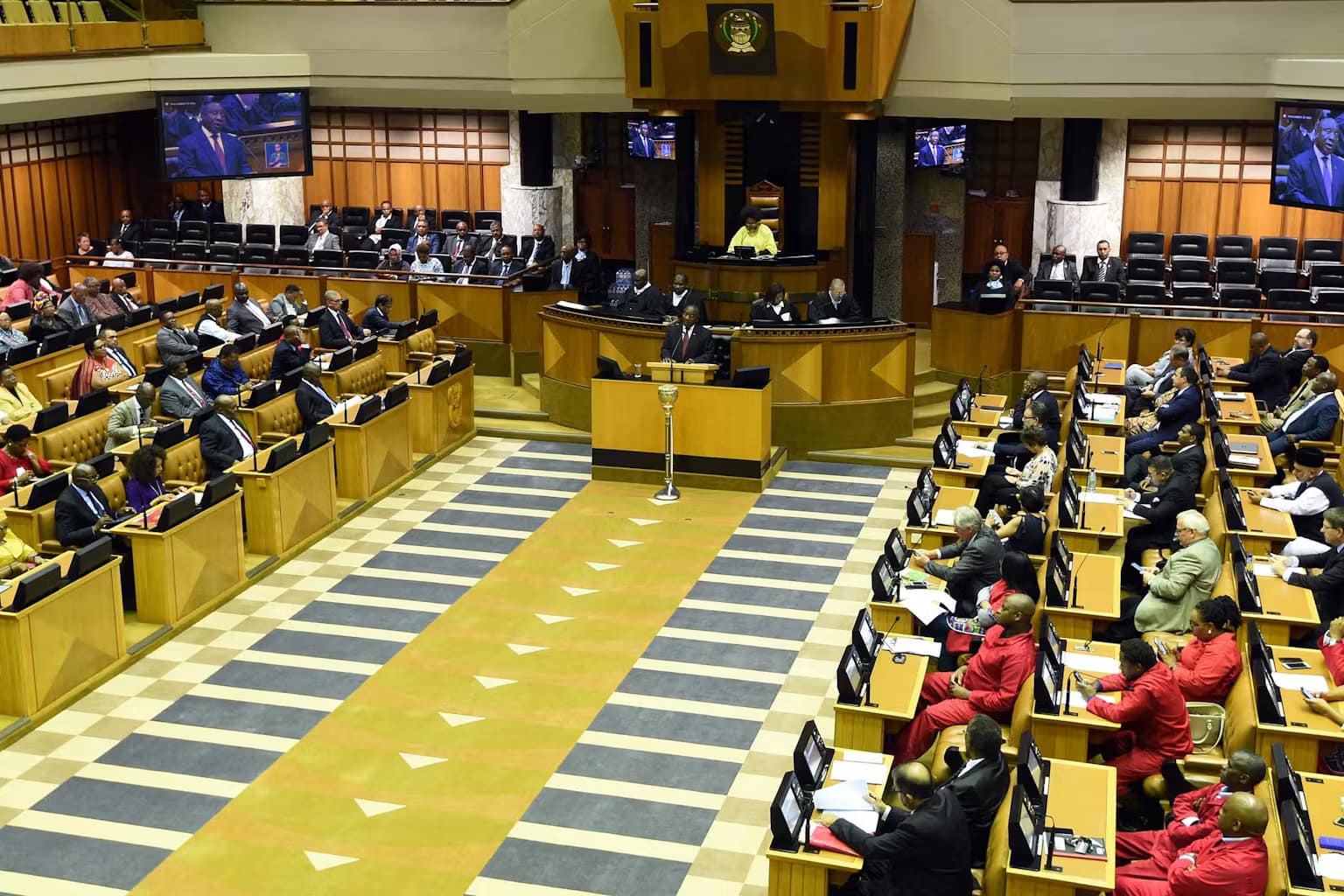
In a pivotal moment for South Africa’s criminal justice system, Parliament’s Ad Hoc Committee officially commences its landmark inquiry into allegations of deep-seated corruption and political interference within the South African Police Service (SAPS) on Tuesday. The hearings, which promise to be both explosive and consequential, will begin with one of the most anticipated testimonies to date: that of KwaZulu-Natal Police Commissioner, Lieutenant-General Nhlanhla Mkhwanazi.
The committee’s mandate places it at the heart of a national crisis of confidence in law enforcement. Its task is to systematically investigate the scale of misconduct and unethical behaviour not only among SAPS members but also any other implicated individuals or institutions. This parliamentary probe runs parallel to the judicial work of the Madlanga Commission of Inquiry, creating a powerful, two-pronged assault on the alleged criminal networks that have infiltrated the state’s security apparatus.
All eyes are fixed on Lt-Gen Mkhwanazi, whose explosive media briefing on July 1 ripped the lid off the scandal. It was during that briefing that the senior official publicly laid bare alleged ties between high-ranking police officials, including those at a national level, and powerful criminal syndicates. His allegations painted a picture of a service compromised from within, where political agendas and criminal interests could allegedly influence police operations, appointments, and investigations.
As the first witness, Mkhwanazi will face rigorous questioning from evidence leaders and Members of Parliament. They are expected to press him for the detailed evidence underpinning his public claims, the identities of the allegedly compromised officials, and the specific nature of the political interference he alluded to. His testimony will set the tone for the entire inquiry, determining whether it will be a transformative exercise in accountability or another exercise in political theatre.
The stakes for this parliamentary investigation could not be higher. Its findings have the potential to trigger a seismic shift within the SAPS, leading to disciplinary actions, criminal charges, and a fundamental restructuring of police leadership. For a public weary of crime and corruption, the proceedings represent a critical test of whether the political system is capable of cleansing an institution vital to the nation’s stability and safety.
About The Author