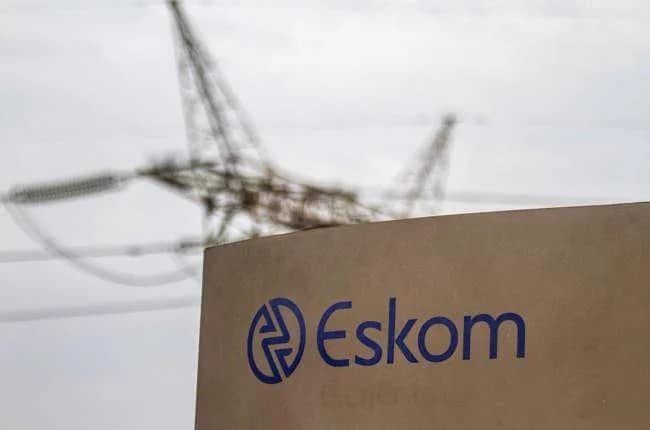
In a move that sets the stage for a potentially explosive round of wage negotiations, the National Union of Metalworkers of South Africa (NUMSA), the country’s largest and most powerful metalworkers’ union, has tabled a formidable set of demands during talks with state-owned power utility Eskom. The union is leveraging Eskom’s recently announced record profits and the sustained suspension of load-shedding to argue for a substantial improvement in workers’ conditions, a stark contrast to the austerity-driven negotiations of recent years.
The wage talks, which commenced this week, see NUMSA representing a significant portion of Eskom’s workforce. The union’s central demand is a 15% across-the-board wage increase, a figure that far exceeds current inflation and signals a dramatic shift in the bargaining power dynamic between the union and the utility.
From Bailouts to Billions: The Union’s Rationale
NUMSA’s argument is built on a foundation of Eskom’s dramatically improved financial and operational performance. After years of relying on government bailouts and implementing steep electricity price hikes to stay afloat, Eskom has recently reported its first substantial net profit in over a decade, attributed to lower diesel spending for its open-cycle gas turbines and increased revenue from tariffs.
“Eskom is no longer the bankrupt entity it was two years ago,” declared Irvin Jim, NUMSA’s General Secretary. “Our members have endured years of wage increases below inflation while being blamed for the utility’s failures. They have borne the brunt of public anger over load-shedding. Now that the company is posting billions in profits and the lights have been on, it is time for the workers who keep the lights on to share in this success.”
Beyond the 15% wage hike, NUMSA’s demands are reported to include:
- A significant housing allowance increase.
- A one-year bargaining agreement, as opposed to multi-year deals, giving the union more frequent opportunities to negotiate.
- A halt to any plans for retrenchments and the insourcing of currently outsourced services.
Eskom’s Dilemma: Profitability vs. Long-Term Stability
The demand places Eskom management in a difficult position. While the utility’s balance sheet has improved, it remains saddled with a massive R400 billion debt. Management is likely to argue that the newfound profitability is fragile and must be used to fund critical maintenance, invest in grid infrastructure, and begin the arduous task of debt reduction, as mandated by the National Treasury.
Eskom’s negotiators are expected to counter that a double-digit wage increase would jeopardize this financial recovery and could necessitate even higher electricity tariff applications to the National Energy Regulator of South Africa (NERSA), ultimately passing the cost onto the same consumers and businesses who have just emerged from the load-shedding crisis.
A Nation Holds Its Breath
These negotiations are being watched closely by the government, investors, and the South African public. A protracted and bitter dispute that leads to industrial action could threaten the very load-shedding suspension that NUMSA is using as a bargaining chip. Any disruption to power station operations could swiftly plunge the country back into darkness, with devastating economic consequences.
The outcome of this power play will not only determine the financial well-being of Eskom’s employees but will also serve as a critical test of whether the utility’s recent recovery is sustainable or vulnerable to the same pressures that have crippled it in the past. The talks are poised to be a defining battle, balancing the legitimate demands of workers against the precarious financial health of a nation’s most critical enterprise.
About The Author