A dramatic nationwide strike by Nigeria’s powerful oil workers union has shuttered the offices of the country’s state oil company and key regulators, sending shockwaves through Africa’s largest crude producer and threatening to trigger fuel shortages and economic disruption across West Africa. The industrial action, which began on Monday, marks a significant escalation in a bitter labor dispute centered on the continent’s largest refinery, owned by billionaire Aliko Dangote.
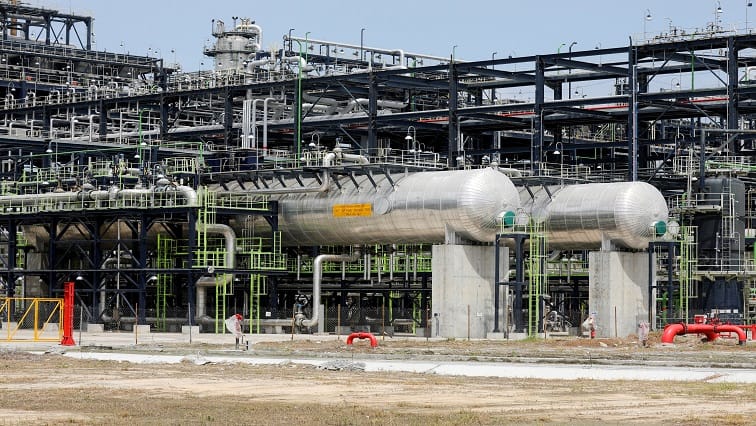
The crisis was ignited last Thursday when the Dangote Oil Refinery dismissed more than 800 employees. The Petroleum and Natural Gas Senior Staff Association of Nigeria (PENGASSAN), the union representing the workers, alleges the mass termination was a direct retaliation for employees choosing to unionize. The refinery, a $20 billion behemoth with a capacity to process 650,000 barrels of crude per day, has defended its actions, stating the dismissals were part of a necessary “staff reorganisation” and accusing the affected workers of “acts of sabotage.”
Immediate Impact: Power Cuts and Shuttered Offices
The consequences of the strike were felt almost immediately beyond the refinery’s gates. Nigeria’s national electricity output plummeted by over 1,000 megawatts after the walkout disrupted fuel supplies to critical power plants. The national grid operator was forced to implement selective power cuts to stave off a complete nationwide blackout, highlighting the refinery’s integral role in the country’s energy ecosystem.
In a powerful display of force, PENGASSAN members have effectively closed down the corporate headquarters of the Nigerian National Petroleum Company (NNPC Ltd.), the Nigerian Upstream Petroleum Regulatory Commission (NUPRC), and the Nigerian Midstream and Downstream Petroleum Regulatory Authority (NMDPRA). The shuttering of these pivotal institutions brings a large swath of the nation’s oil administration and oversight to a standstill.
Stalemate in Talks and Legal Maneuvers
Emergency talks mediated by government officials on Monday ended in a deadlock, setting the stage for a protracted confrontation. PENGASSAN President Festus Osifo laid down a simple, non-negotiable demand for ending the strike: “You have to reinstate these people. If you reinstate them tonight, we will call off our action tonight. But unfortunately, that reinstatement did not happen.”
As the union flexed its industrial muscle, the Dangote refinery pursued a legal counteroffensive, securing a court injunction that bars PENGASSAN from obstructing the supply of crude oil and gas to the facility. However, the union has dismissed the order’s legitimacy, with executive Lumumba Okugbawa pointedly noting, “Court orders are served via bailiffs, not through social media,” suggesting the injunction had not been formally served.
Broader Implications for Nigeria’s Economy
The standoff poses a severe threat to Nigeria’s fragile economy and its ambitions for energy independence. The Dangote refinery, which began operations earlier this year, has been touted as a game-changer for a nation that has long relied on expensive fuel imports despite being a major crude oil exporter. A prolonged dispute threatens to undermine this strategic asset and shatter investor confidence in Nigeria’s burgeoning private sector.
Official responses have called for calm while underscoring the high stakes. The oil regulator has appealed for an “amicable end,” and the NNPC stated it is “closely monitoring the situation and remain[s] engaged with relevant stakeholders to encourage a constructive resolution.”
This confrontation transcends a simple labor dispute; it is a high-stakes test of power between one of Africa’s most influential unions and its wealthiest individual. The outcome will not only determine the fate of 800 workers but also set a critical precedent for labor relations, corporate governance, and the future of Nigeria’s most important industry.
About The Author