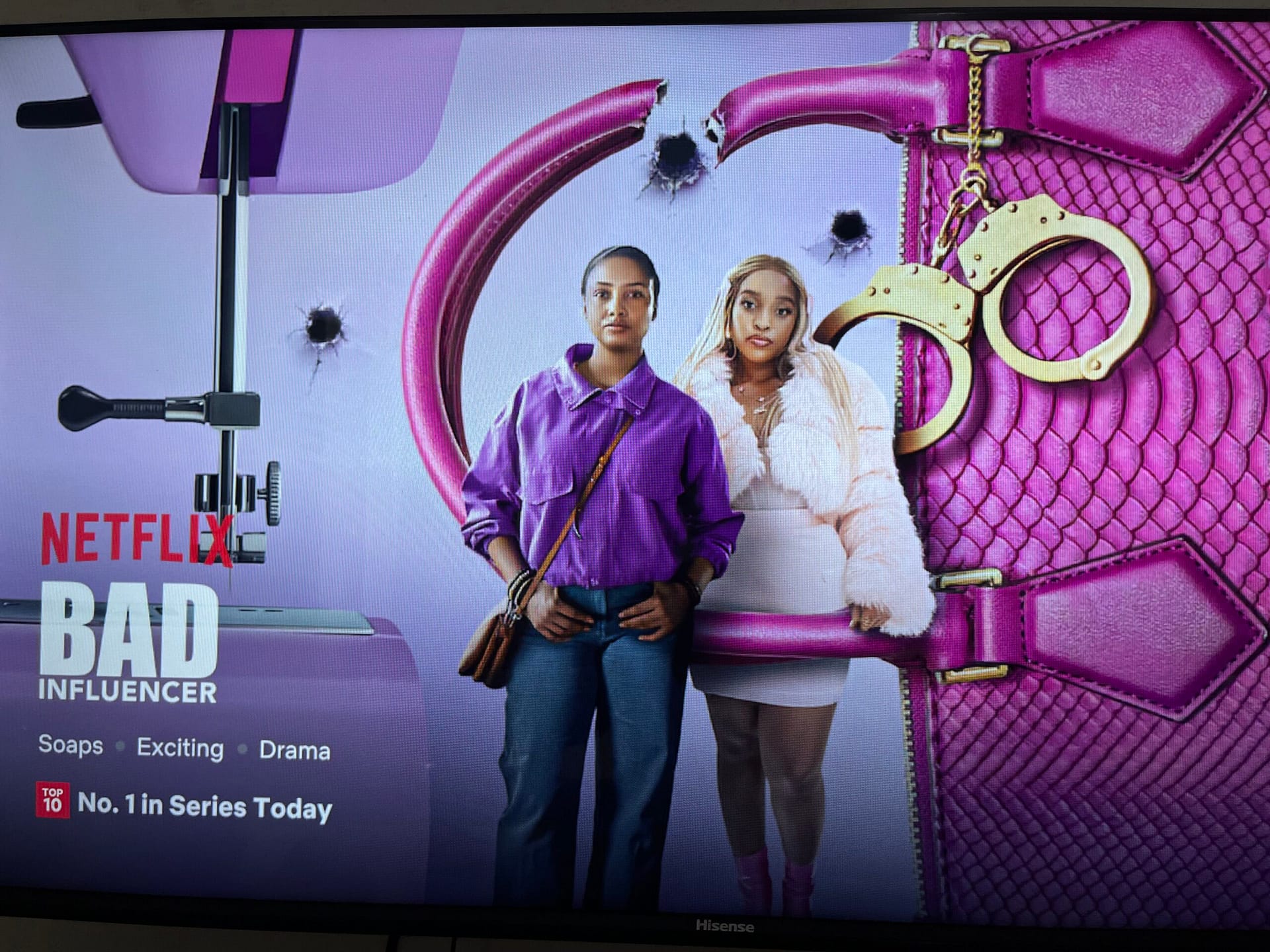
Move over, traditional crime capers. A new, digitally-savvy heist is captivating global audiences, and it’s unfolding not in shadowy back alleys, but in the hyper-lit, filtered world of social media. Netflix’s South African series ‘Bad Influencer,’ which premiered on October 31, 2025, has swiftly morphed from a seasonal release into a bona fide phenomenon, winning widespread praise for its razor-sharp satire, gripping crime narrative, and standout performances that are putting a fresh face on African storytelling.
The series follows the high-stakes, morally grey journey of BK (a gritty, grounded Jo-Anne Reyneke), a resourceful single mother desperate to provide for her family, and Pinky (played with mesmerizing duality by Cindy Mahlangu), a glamorous social media influencer whose picture-perfect life is a carefully curated facade hiding mounting debts. Their unlikely alliance births a lucrative, illicit enterprise: a sophisticated online operation selling counterfeit high-end designer handbags to Pinky’s legions of trusting followers.
A Pressure Cooker of Modern Anxieties
What elevates “Bad Influencer” beyond a simple caper is the relentless pressure its protagonists face from all sides. As their scheme grows, they find themselves trapped in a dangerous triangle. On one flank are the authentic criminals—the ruthless suppliers of the fake merchandise who demand their cut and won’t hesitate to use violence. On the other is the long arm of the law, with a dedicated police unit closing in on their digital footprint. This dual threat creates a masterful tension, juxtaposing the fleeting, ephemeral world of “likes” and “comments” with the very real-world consequences of their actions.
A Social Media Satire That Cuts Deep
At its heart, the show functions as a scathing, yet often hilarious, critique of influencer culture and the relentless hustle of the gig economy. It masterfully exposes the chasm between online perception and gritty reality. Scenes of Pinky filming an aspirational “day in my life” vlog are immediately undercut by shots of BK in a warehouse, frantically packing orders and fending off threats. The series doesn’t just mock the vanity of social media fame; it interrogates the economic desperation that often fuels it, asking the poignant question: In a world where personal branding is currency, how far would you go to secure the bag—both literally and figuratively?
Audience and Critical Acclaim: A Resonant Chord
The verdict from viewers on social media platforms like X has been overwhelmingly positive, transforming the show into a trending topic.
- “The perfect blend of funny and frightening! My heart was pounding one minute and I was laughing the next,” tweeted one fan.
- Another praised the cast, writing, “Jo-Anne Reyneke and Cindy Mahlangu are a powerhouse duo. Their chemistry is electric!”
- The show’s high audience rating has been accompanied by a vocal and growing online campaign, with the hashtag #RenewBadInfluencer already gaining traction for a second season.
Adding to the buzz is the celebrated acting debut of former Miss Universe Zozibini Tunzi, who delivers a nuanced performance in a supporting role, further proving her range and talent beyond the pageant world.
Critics have aligned with public sentiment, applauding the series for its unique tone. Many reviews highlight its successful fusion of comedic moments with genuine dramatic stakes, a balance that is difficult to achieve. The series is seen as a significant and valuable addition to Netflix’s growing slate of African content, following the success of other hits from the continent.
However, the show’s meta-casting choice did draw a minor, albeit notable, critique. Some viewers admitted that the presence of real-life South African influencers in the cast was initially “off-putting,” creating a moment of blurred lines before the strength of the storytelling and performances pulled them firmly into the narrative.
With its compelling premise, social relevance, and universally relatable themes of ambition and survival, “Bad Influencer” has proven itself to be more than just a viral hit—it’s a clever, timely, and thoroughly entertaining commentary on the dreams we sell and the lives we actually lead.
About The Author