The cargo hold of the southbound aircraft, somewhere high above the African continent, carries more than just dry ice and glass vials. It carries the hopes of an industry, the livelihoods of thousands of farmers, and the political credibility of a minister. On Saturday, February 21, 2026, at midday, that plane will touch down at OR Tambo International Airport, and Agriculture Minister John Steenhuisen will be there to meet it.
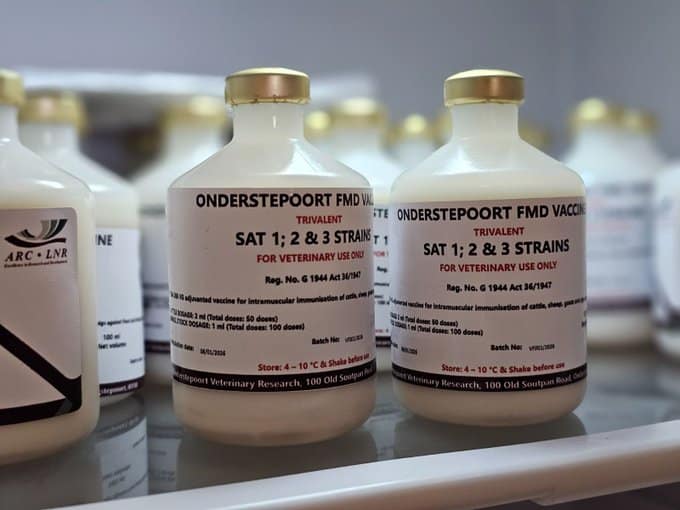
The shipment is monumental: one million high-potency Foot and Mouth Disease (FMD) vaccines, the first major delivery in a desperate government bid to contain an outbreak that has brought South Africa’s livestock sector to its knees. For Steenhuisen, leader of the Democratic Alliance and a key figure in the Government of National Unity, this moment is both a logistical milestone and a high-stakes political test.
Standing on the tarmac, watching the pallets being unloaded, Steenhuisen will not just be receiving medicine. He will be receiving a lifeline for a rural economy that has been suffocating under the weight of movement bans, closed borders, and mass culls. The stakes could not be higher.
The Crisis in the Kraal
To understand the significance of Saturday’s shipment, one must understand the devastation of the past eighteen months. Since late 2024, South Africa has been grappling with one of the most severe FMD outbreaks in its history. The highly contagious viral disease, which affects cloven-hoofed animals like cattle, pigs, sheep, and goats, spread like wildfire through parts of Limpopo, Mpumalanga, North West, and KwaZulu-Natal.
While FMD does not typically kill animals, it debilitates them, causing painful blisters and lesions that lead to severe weight loss and plummeting milk production. More critically, it triggers immediate international trade sanctions. South Africa, a major exporter of beef and livestock products, watched helplessly as lucrative markets in the Middle East, China, and elsewhere slammed their doors shut.
The economic impact has been catastrophic. The Red Meat Producers’ Organisation estimated that the industry was losing hundreds of millions of rand per month. But the human cost was even more stark. Smallholder farmers, particularly in rural villages, watched their primary source of income and protein—their cattle—become worthless and immovable. Movement bans prevented farmers from taking their livestock to auctions or abattoirs. Calves were born and grew old on the same patch of land, unsold and un-sellable.
The Vaccine Gamble
For months, the government’s strategy relied on quarantine, culling infected herds, and movement control. But as the outbreak spread, it became clear that a purely reactive approach was failing. The virus was moving faster than the bureaucrats. The only hope for a return to normality, and a return to export markets, was a massive, proactive vaccination campaign.
However, South Africa does not produce its own high-potency FMD vaccines. The specific strain required to combat the outbreak had to be sourced from a specialised international manufacturer, believed to be in Botswana or a European Union partner. Negotiations were protracted, costs were high, and the global demand for such vaccines often outstrips supply.
The arrival of one million doses, therefore, is the first fruit of those intense diplomatic and commercial negotiations. It represents a shift in strategy from containment to prevention. The vaccines are “high potency,” meaning they are designed to provide rapid, strong immunity against the specific serotypes circulating in South Africa, hopefully creating a “firebreak” of immunised animals that the virus cannot cross.
Steenhuisen’s Moment
For Minister John Steenhuisen, Saturday’s photo opportunity is a carefully calibrated political moment. As a DA minister serving in a GNU led by an ANC president, he walks a tightrope. He must be seen as effective and in charge of his portfolio, delivering tangible results for the agricultural community—a key DA constituency—while also collaborating with a government many of his traditional supporters view with suspicion.
The FMD crisis has been a baptism by fire. He has faced angry farmers at town hall meetings, frustrated exporters demanding action, and opposition MPs accusing the government of incompetence. The arrival of the vaccines allows him to pivot to a message of delivery and hope.
“We have moved heaven and earth to secure these doses,” Steenhuisen is expected to say at the airport, his words carefully chosen to convey urgency and competence. “This is the beginning of the end of this outbreak. But it is only the beginning. The hard work of getting these vaccines into the arms—or rather, into the necks—of our livestock starts now.”
The Logistical Hurdle
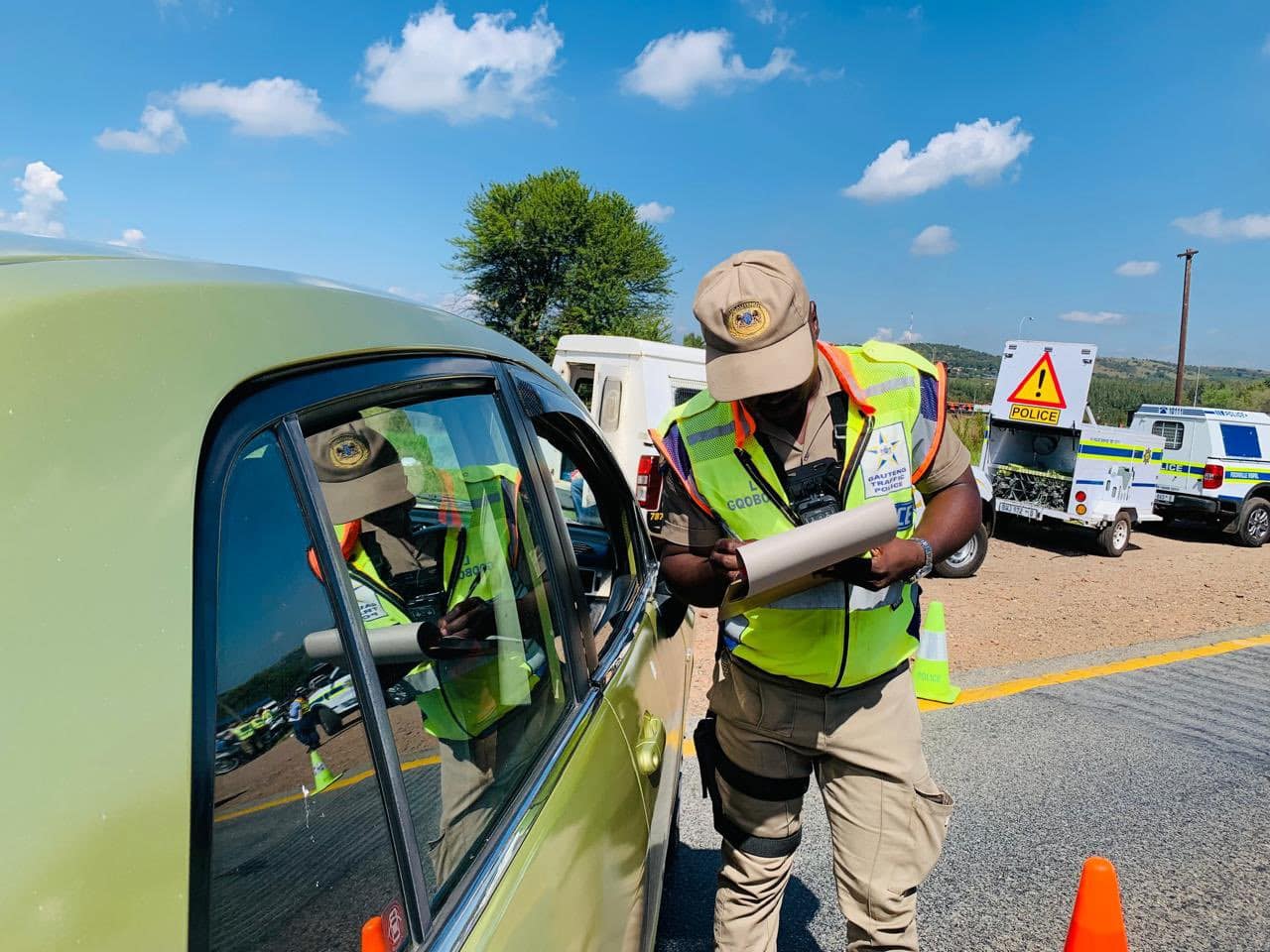
Receiving the vaccines is the easy part. Distributing them is a logistical nightmare. The doses must be kept at a strict cold-chain temperature from the moment they leave the aircraft until they are injected into an animal. This requires refrigerated trucks, functioning cold storage facilities in remote rural areas, and a army of trained veterinary technicians and animal health workers.
The Department of Agriculture, Land Reform and Rural Development has been working with provincial veterinary services to draw up priority lists. Outbreak hot spots will get the first doses, followed by high-risk perimeter areas. Farmers in disease-free zones will have to wait.
There is also the issue of public trust. In some rural communities, misinformation about vaccines—rumours that they are harmful to animals, or a plot by the government to steal cattle—has taken root. Steenhuisen and his team will have to engage with traditional leaders and community elders to ensure that when the vials arrive, they are welcomed, not resisted.
A Glimmer of Hope
As Saturday approaches, the mood in the livestock industry is cautiously optimistic. “This is the shot in the arm we have been praying for,” said a representative from the National African Farmers’ Union. “Our members have lost everything. Cattle are their bank accounts. When the bank is closed, they have nothing. If this vaccine works, and if we can get it into the animals quickly, we can start to rebuild.”
The international community will be watching closely. The success of the vaccination campaign will determine when South Africa can make representations to the World Organisation for Animal Health to have its FMD-free status restored, at least in certain zones. Until then, the export bans will remain, and the economic pain will continue.
For now, however, there is a moment of relief. At midday on Saturday, Minister John Steenhuisen will shake the hand of a cargo handler and witness the unloading of a million tiny glass bottles, each one a small vessel of hope for an industry on its knees. The real work begins after the cameras leave, but for the first time in months, there is a sense that the tide might be turning.
About The Author