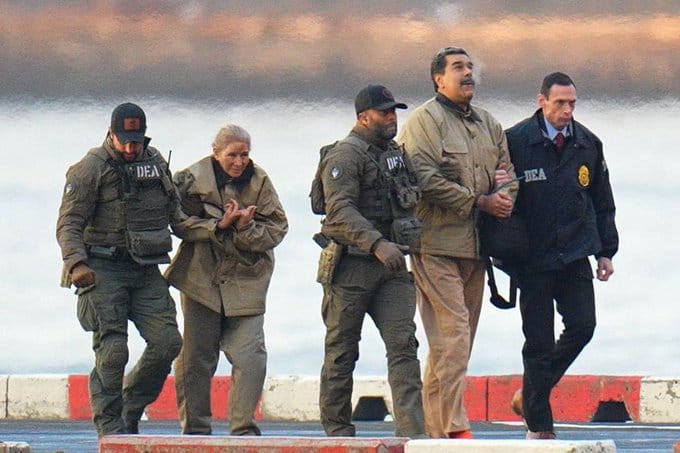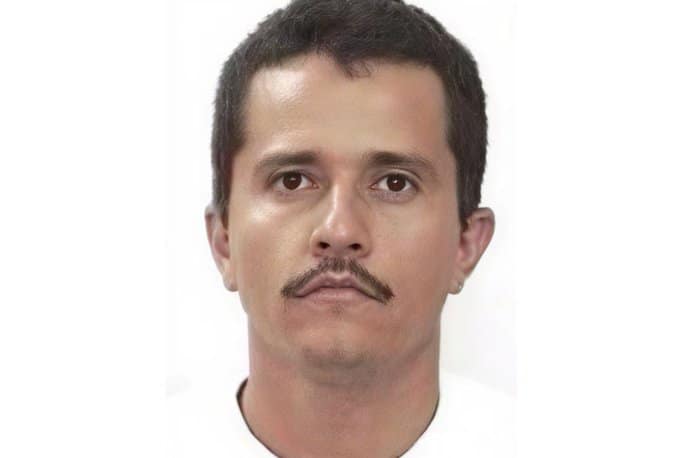
The most wanted man in Mexico, and one of the most powerful drug lords in the world, is dead. On Monday, February 23, 2026, Mexican security forces finally cornered Nemesio Oseguera Cervantes, better known as “El Mencho,” the elusive and brutal leader of the Jalisco New Generation Cartel (CJNG). His death, however, was not the end of the violence. It was the beginning of a new, terrifying chapter.
The operation unfolded in the rugged countryside of Jalisco state, a region El Mencho had controlled with an iron fist for years. Details remain sketchy, but what is known is that a joint task force of Mexican marines and special forces, likely with intelligence assistance from U.S. agencies, tracked the 59-year-old kingpin to a rural hideout. A fierce firefight erupted. When the shooting stopped, El Mencho and several of his closest associates lay wounded. According to official sources, he died while being transported by air to Mexico City for medical treatment. He was 59 years old.
For the Mexican government, the death of El Mencho is a monumental victory. He was the head of an organization responsible for flooding the United States and other countries with fentanyl, methamphetamine, and heroin. His cartel was infamous for its extreme violence, including the use of drones to drop explosives, the murder of police officers and politicians, and the massacre of rivals and innocent civilians. His capture or death had been a top priority for both Mexico and the United States, which had offered a $10 million reward for information leading to his arrest.
But El Mencho’s death did not bring peace. It brought inferno.
Jalisco Erupts
Within hours of the news breaking, the CJNG’s vast network of operatives sprang into action, executing a pre-planned, coordinated response designed to paralyze the state and send a message: you may have killed our leader, but we are still here, and we are still dangerous.
Across Jalisco, more than 250 roadblocks were set up. Cartel gunmen hijacked trucks, buses, and private vehicles, using them to block major highways and arterial roads. They burned vehicles, including cars and delivery trucks, turning thoroughfares into walls of flame. In the city of Guadalajara, the state’s vibrant cultural and economic hub, the airport was attacked. Gunmen set fire to buildings and vehicles on the airport perimeter, sending plumes of black smoke into the sky and forcing the complete suspension of all flights. Terrified passengers were evacuated from terminals as police and soldiers engaged in firefights with the attackers.
Stores and businesses across the state were looted and set ablaze. The violence was not random; it was a calculated show of force, a demonstration that the CJNG could still project power and create chaos even in the immediate aftermath of losing its head.
Tourists Trapped
The violence had immediate and severe consequences for Mexico’s vital tourism industry. In Puerto Vallarta, a world-famous resort destination on the Pacific coast, tourists found themselves trapped in a nightmare. The cartel’s response extended to the coastal paradise, with roadblocks cutting off access to the airport and reports of gunmen moving through areas near the hotel zones.
U.S. and Canadian tourists, many of whom had arrived for winter vacations, were ordered to shelter in place in their hotels. Flight cancellations left thousands stranded, unsure when they would be able to leave. Social media was flooded with videos from panicked tourists showing military convoys rushing through the streets and plumes of smoke rising in the distance.
“We came here for sun and relaxation,” said a tourist from Texas, speaking to a news outlet from his hotel lobby in Puerto Vallarta. “Now we are locked in, watching the news, and praying we can get out. This is terrifying.”
Local authorities imposed curfews in affected areas, further confining tourists to their hotels. The Mexican government scrambled to reassure visitors, deploying additional security forces to protect tourist zones and working to reopen the airport. But the damage to Mexico’s image as a safe destination was done.
The Cheesur Conspiracy
In the chaotic information vacuum following the raid, social media became a breeding ground for rumors and conspiracy theories. One of the most bizarre and persistent claims was that a popular online streamer, known as “Cheesur,” had somehow been involved in tipping off authorities to El Mencho’s location.
The rumor, which appears to have originated on anonymous online forums, spread like wildfire across platforms like X (formerly Twitter), TikTok, and Reddit. Cheesur, whose real name is not widely known, was suddenly the subject of intense speculation, with some users claiming he was a secret government informant and others suggesting the cartel would seek revenge.
There is absolutely no evidence to support any connection between Cheesur and the raid. The rumor appears to be a classic example of online misinformation, fueled by the chaotic information environment and the public’s desperate search for explanations. Cheesur himself was forced to issue a statement denying any involvement, but the damage was done. The story highlights how, in the age of social media, even the most outlandish claims can gain traction and cause real-world panic.
The Power Vacuum
With El Mencho gone, the focus immediately shifts to what comes next. The CJNG is not a small, family-run operation; it is a transnational criminal enterprise with thousands of members, sophisticated logistics, and a presence across Mexico and beyond. Such organizations do not simply dissolve when their leader dies. They fight.
Experts predict a bloody power struggle within the CJNG. Several senior lieutenants are likely to vie for control of the organization’s lucrative trafficking routes and plazas (territories). This internal war could be even more violent than the cartel’s conflicts with rivals, as factions turn on each other.
“There is going to be a vacuum, and it will be filled with blood,” said a security analyst specializing in Mexican cartels. “The CJNG has a strong structure, but El Mencho was the glue. He was the ultimate authority. Without him, you will have ambitious men who have been waiting for their chance. They will kill each other to take his place.”
This internal conflict could spill over into the general population, as rival factions battle for control of cities and towns. It could also create opportunities for other cartels, such as the Sinaloa Cartel, to move into CJNG territory, sparking wider inter-cartel wars.
The Fentanyl Factor
For the United States, El Mencho’s death raises urgent questions about the flow of fentanyl. The CJNG has been one of the primary suppliers of the deadly synthetic opioid that is killing tens of thousands of Americans every year. The cartel’s production and trafficking networks are deeply entrenched.
In the short term, the chaos could disrupt fentanyl supplies, potentially leading to shortages on American streets. But in the long term, the power struggle could have unpredictable effects. A weakened CJNG might be less able to control production, leading to a fragmentation of the market. Alternatively, a new, even more ruthless leader could emerge, determined to prove his strength by flooding the market with product.
U.S. officials are watching the situation closely, coordinating with Mexican authorities to track the fallout and prepare for any scenario.
A Defining Moment
The death of El Mencho is a defining moment in Mexico’s long and bloody war against the cartels. It is a significant blow to one of the most powerful criminal organizations in history. But it is not a victory. It is a transition.
As the fires burn in Jalisco and the tourists remain trapped in their hotels, the real battle is just beginning. The cartel will choose a new leader. The violence will continue. And the people of Mexico, as always, will be caught in the crossfire.
About The Author