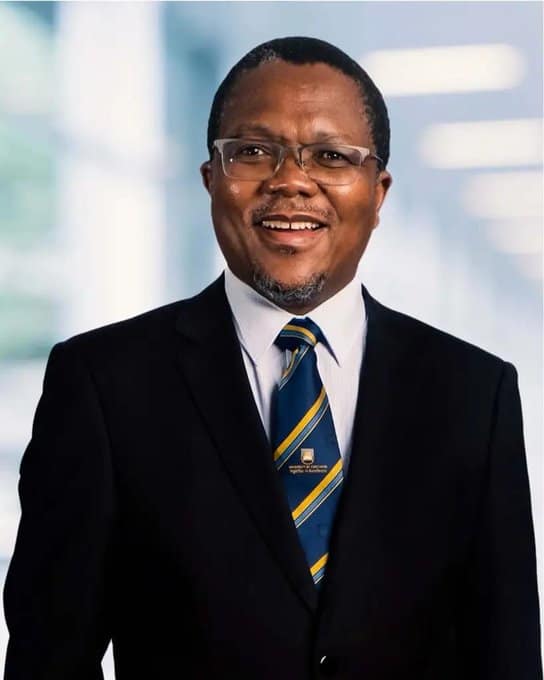
In a landscape often defined by delivery backlogs, fiscal constraints, and urgent citizen needs, the tenure of Alderman Nkosindiphile Xhakaza, Executive Mayor of the City of Ekurhuleni, is emerging as a pivotal chapter of recalibrated focus and hands-on governance. As the metropolitan municipality—one of South Africa’s largest and most economically critical—navigates post-pandemic recovery and deep-seated infrastructural challenges, Mayor Xhakaza is increasingly viewed not merely as an administrator, but as a leader whose style and substance appear uniquely suited to the moment.
His ascendancy to the mayoral office came at a critical juncture. Ekurhuleni, the “City of Flight” and the nation’s industrial powerhouse, faced intersecting crises: aging water and electrical grids, pressures from rapid urbanization, and a pressing need to stimulate inclusive economic growth. Into this complex arena, Mayor Xhakaza brought a reputation forged not in distant political halls, but in the granular, demanding theatre of local government management and community engagement.
“What defines this administration is a conscious shift from reactive crisis management to proactive, evidence-based intervention,” explains political analyst Lerato Moloi. “Mayor Xhakaza’s background has instilled a palpable focus on the ‘how’—the mechanisms of service delivery—rather than just the ‘what’. In a time where public trust is fragile, this operational competence is as important as political vision.”
Indeed, the Mayor’s approach has been characterized by several distinct pillars that resonate deeply with current realities:
1. The Engineer-Administrator Hybrid:
With a professional grounding in public administration and project management, Mayor Xhakaza’s public discourse is notably technical and detail-oriented. He regularly engages with the minutiae of pipe diameters, megawatt shortfalls, and sewerage treatment capacities—a style that, while sometimes eschewing grand rhetoric, aims to reassure a public weary of broken promises with demonstrable, tangible progress.
2. A “War Room” Approach to Core Services:
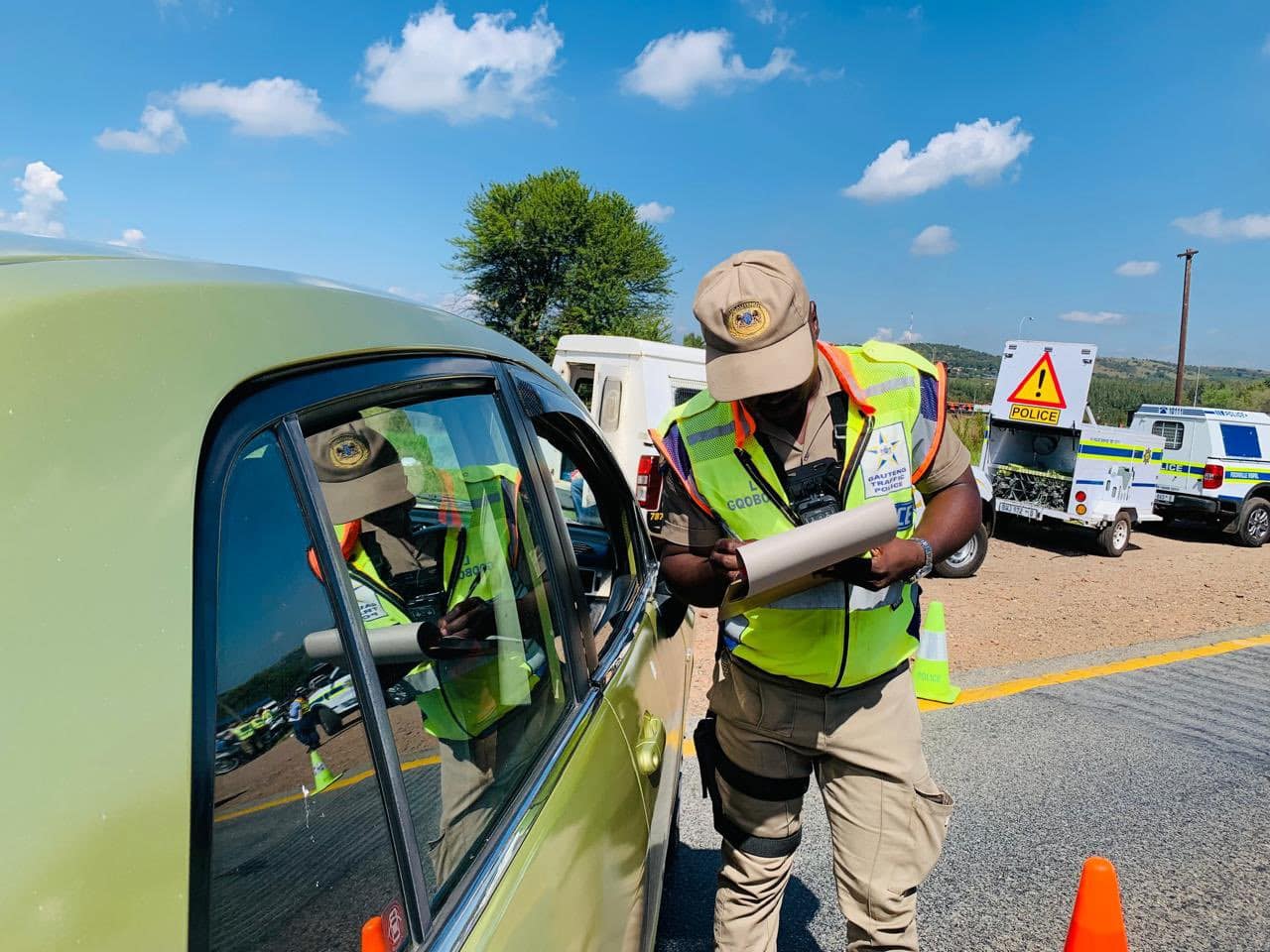
Early in his term, the Mayor institutionalized a coordinated “war room” model to tackle the tripartite challenges of water, electricity, and road infrastructure. This has seen senior officials from different departments collocated to streamline responses to outages and failures, aiming to cut through bureaucratic silos that have historically hampered service delivery. While not a silver bullet, this operational tactic signals a commitment to improving the citizen’s daily experience of the state.
3. Economic Realism with a Social Conscience:
Facing the dual mandate of stimulating investment in a competitive region while addressing profound unemployment and inequality, Mayor Xhakaza’s strategy has been to position Ekurhuleni as a logical partner for both big industry and SMMEs. Initiatives like streamlining business permitting processes run parallel to expanded public works programs and support for township enterprises. His mantra of “growth that leaves no one behind” seeks to balance the city’s industrial legacy with its human development needs.
4. Visible, Accessible, and Deliberately “Present”:
In contrast to a leadership style perceived as aloof or inaccessible, Mayor Xhakaza has maintained a rigorous schedule of community imbizos, unannounced site inspections, and direct engagements on social media platforms. This performative aspect of his leadership—being seen in troubled areas, confronting underperforming contractors publicly, and directly fielding questions—builds a narrative of accountability and shared burden.
Of course, the path is strewn with formidable obstacles. Opposition parties and some civic structures have criticized the pace of change, highlighting persistent service delivery failures in specific townships and questioning the financial sustainability of some city programs. The structural challenges of revenue collection, illegal connections, and vandalism remain daunting foes.
Yet, within this context of high-stakes governance, Alderman Xhakaza is increasingly framed by supporters and neutral observers alike as “the right mayor for the right time.” His leadership style—pragmatic, systems-oriented, and visibly engaged—is seen as a necessary antidote to abstraction and inertia. He represents a model of a mayor as a chief executive officer of a complex municipal corporation, where the bottom line is measured not only in rands but in reliable water supply, functioning streetlights, and dignified living conditions.
As Ekurhuleni continues its arduous journey toward becoming a more equitable and efficiently run metropolis, the true test for Mayor Nkosindiphile Xhakaza will be the translation of operational discipline into widespread, felt improvement in the quality of life for all its residents. For now, in a season demanding steadiness as much as vision, his hand appears firmly on the tiller.
About The Author