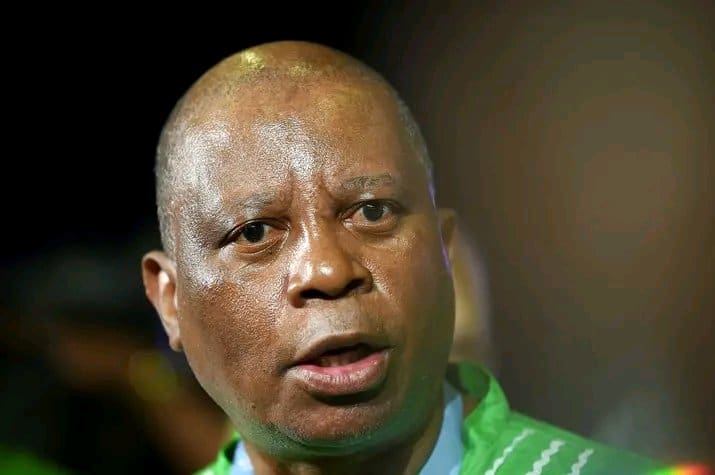
In a significant political intervention, ActionSA leader Herman Mashaba has met with leaders of the grassroots movement Operation Dudula, publicly validating the deep-seated frustrations over undocumented migration while issuing a stern warning against vigilante action. The meeting, which underscores the escalating volatility of South Africa’s immigration debate, represents an attempt to channel widespread public anger into the political arena and away from the streets.
Validating Grievances, Condemning Methods
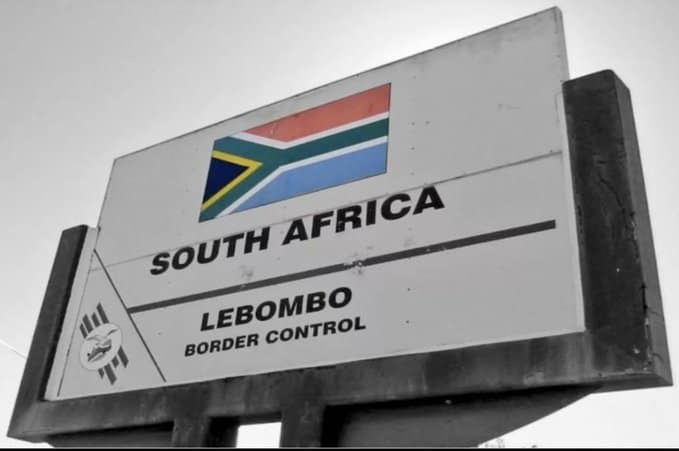
Mashaba, a long-time and vocal critic of the government’s immigration framework, did not mince words in aligning himself with the core concerns of groups like Operation Dudula. He explicitly endorsed their stance on what he termed “porous borders,” blaming the ruling African National Congress (ANC) for years of lax enforcement and failed policy. He echoed the movement’s arguments about the strain on public services, suggesting that undocumented immigration exacerbates crises in healthcare, housing, and employment for already struggling South African citizens.
“These are not imagined problems,” Mashaba stated in a press briefing following the meeting. “The people of South Africa have a legitimate grievance when they see our laws being flouted and our resources stretched to a breaking point. The ANC has created this crisis through sheer negligence and a dereliction of its duty to secure our borders.”
However, his alignment on the problem was sharply contrasted by his condemnation of the solution often employed by Operation Dudula. Mashaba drew a clear line in the sand, arguing that the group’s methods—which have included community patrols, blockades of businesses suspected of employing undocumented migrants, and attempts to deny services—constitute a direct threat to the foundations of South Africa’s democracy.
“We cannot allow the breakdown of the rule of law in response to the failure of law enforcement,” he cautioned. “Vigilantism is not the answer. It undermines the very constitutional democracy we are trying to uphold and can lead to violence and the victimization of genuine asylum seekers and legal immigrants.”
A Political Strategy: Focusing Fury on the ANC
The core of Mashaba’s message was a strategic pivot. Instead of targeting individuals, he urged Operation Dudula and its supporters to direct their collective energy toward the political source of the problem: the ANC government. He framed the upcoming elections as the primary battleground where this frustration should be expressed.
“The real enemy is not the individual seeking a better life, but the government that has failed to manage migration effectively for three decades,” Mashaba asserted. “Our fight must be at the ballot box, not in our neighborhoods. We must hold the ANC accountable for its policy failures that have led us to this point.”
This positioning allows Mashaba and ActionSA to tap into the potent political energy of anti-immigration sentiment while attempting to remain within the bounds of constitutional discourse. It is a high-wire act, seeking to harness populist anger without being tarnished by the association with extralegal activities.
The Legal and Social Powder Keg
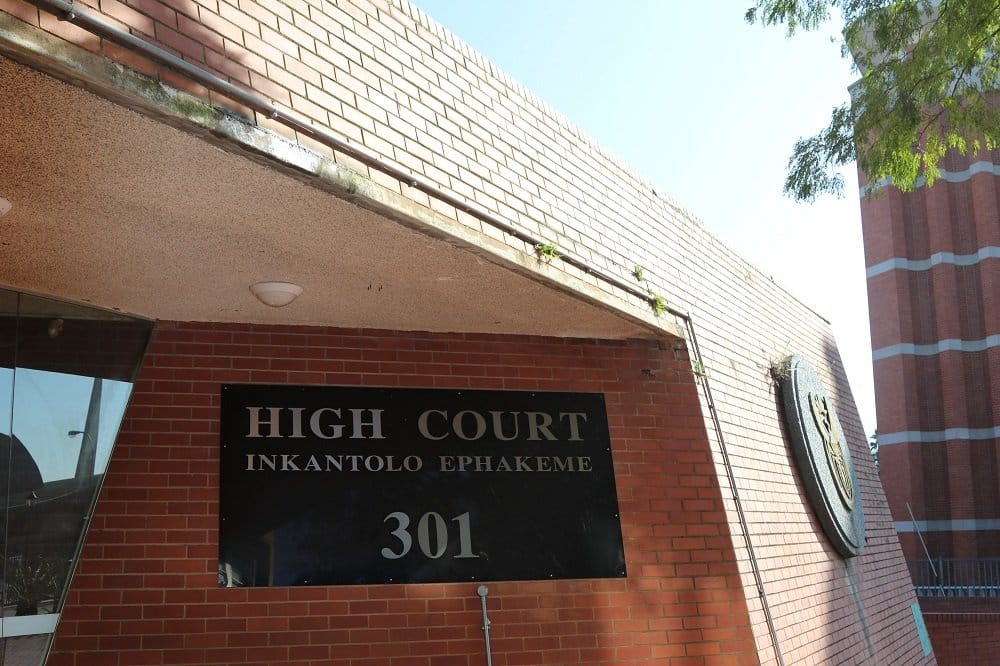
Mashaba’s intervention comes at a critical juncture for Operation Dudula. The movement is currently facing several legal challenges, with its leaders in and out of court defending against charges related to their activities. Human rights organizations have condemned the group’s actions as xenophobic, warning that they inflame social tensions and have led to targeted violence against foreign nationals.
The backdrop to this conflict is a South Africa grappling with profound economic stagnation, record unemployment, and chronic failures in basic service delivery. In this pressure-cooker environment, immigration has become a lightning rod for broader societal discontent, with undocumented migrants often scapegoated for systemic failures of governance and the economy.
A Defining National Debate
Mashaba’s engagement with Operation Dudula signals that immigration is set to be a defining, and potentially explosive, issue in the lead-up to South Africa’s next national elections. By attempting to steer the movement toward legal and political channels, he is betting that he can consolidate a powerful voting bloc dissatisfied with the status quo.
However, the challenge remains immense. The genie of community-level vigilantism is not easily put back in the bottle, and the grievances are deep and immediate. The coming months will test whether Mashaba’s call for lawful political engagement can prevail over the raw, visceral appeal of direct action, and whether South Africa’s heated immigration debate can be contained within the chambers of parliament or if it will continue to play out in its townships and city streets.
About The Author