The morning sun had not yet broken over the Durban skyline when the call was made. In a small, wood-panelled office in the heart of the March Movement’s headquarters, Jacinta “ManGobese” Zuma sat with her closest advisors. The air was thick with the scent of old paper and strong coffee—and with the weight of the decision they all knew was coming.
For weeks, the tension around Addington Primary School had simmered. What began as whispered complaints in parents’ meetings had grown into a full-blown civic storm. Allegations swirled that the school’s principal, in a bid for diversity or under unseen pressure, had been quietly prioritising the enrolment of children from immigrant families over local South African learners. In a community already strained by unemployment and housing shortages, the school gate had become a battleground.
ManGobese, a charismatic and formidable figure whose nickname played on both her lineage and her fierce, grounded authority, had led the March Movement for seven years. It was a grassroots organization born from township frustrations, advocating for economic justice and what they called “dignity in development.” When the Addington issue reached her desk, she saw it not as a matter of xenophobia—as her critics would soon claim—but as a symbol of systemic neglect. “Why,” she asked in a fiery community address, “must our children watch from the outside while their classrooms are filled by others? This is not about hatred. It is about broken promises.”
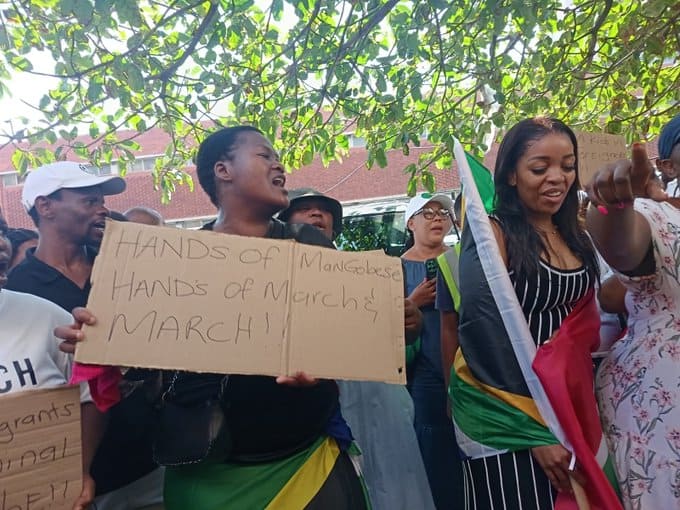
The protest was intended to be a peaceful display of discontent—a “March for Our Children’s Seats.” But as the crowd of hundreds swelled outside Addington’s wrought-iron gates on that fateful Tuesday, emotions overflowed. A handful of agitators, not directly affiliated with the Movement but riding its wave, began throwing stones. Windows shattered. Teachers hurried sobbing children into interior rooms. The image that would haunt the news cycles was of a first-grade classroom, evacuated through a side door as a trash can burned on the lawn.
ManGobese had been at the front, megaphone in hand, urging calm. But the state prosecutor’s case hinges on a three-minute clip, now viral, where she is heard shouting, “They feel nothing for your pain! Make them see it!” The state argues this was a direct incitement to violence. Her supporters call it a passionate plea for recognition, taken criminally out of context.
In the days following, the backlash was swift and polarizing. Editorials denounced her as a peddler of division. Civil society groups pointed out the dangerous precedent of blaming vulnerable migrant communities. Yet, in the townships, her stock rose. To many, she was the only leader willing to name the raw, uncomfortable truth of local desperation.
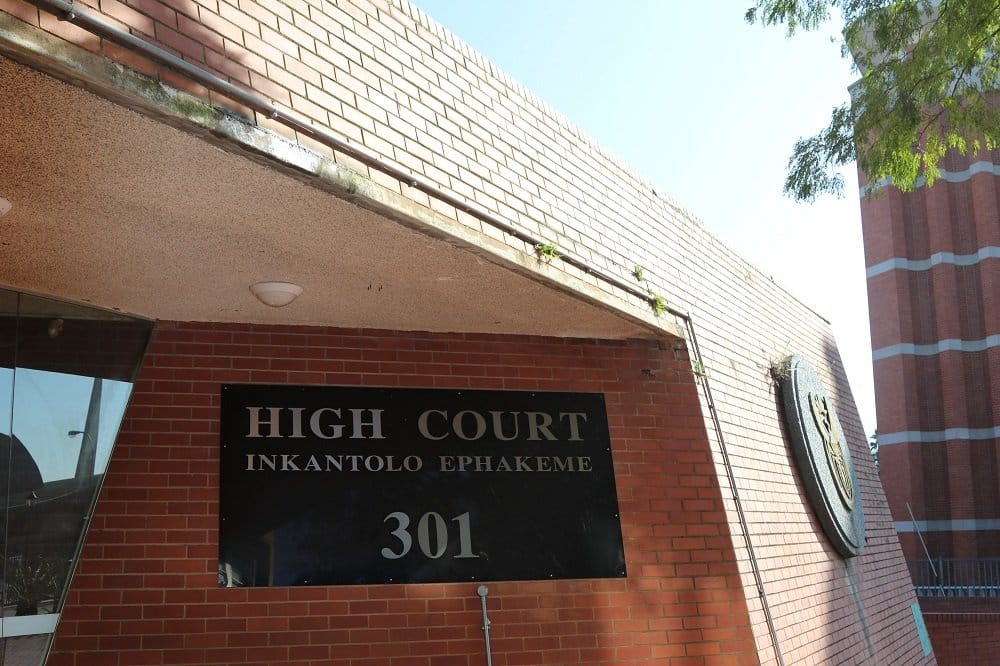
The warrant for her arrest on charges of incitement to public violence came down yesterday. For a night, the Movement held its breath. Would she run? Would she resist? Would she transform the courthouse into another spectacle?
Her decision, communicated in a sombre pre-dawn statement, was neither: she would surrender.
“I will hand myself over to the South African Police Service at 10 a.m. today,” the statement read. “I do this not out of admission of guilt, but out of respect for the constitutional order I have fought to uphold for the marginalized. My struggle is, and has always been, for justice. I will face this accusation in the light of day, so the people can see the true nature of this attempt to silence a cry for equity.”
By 9 a.m., a crowd had gathered outside the Durban Central police station—a mix of Movement supporters in their signature green berets, curious onlookers, and a thick press of journalists. The air buzzed with chants, speculation, and the whir of camera drones.
At 9:55, a modest white sedan pulled through the crowd. ManGobese emerged, dressed not in her usual vibrant activist attire but in a simple, respectful black suit. She paused, turned to her people, and raised a fist—not in defiance, but in solemn solidarity. No words were needed. The crowd fell silent, then erupted in a wave of song, the mournful and powerful strains of “Senzeni Na?” (What have we done?).
As she walked through the glass doors into the sterile brightness of the police station, the moment crystallized into something far larger than a legal procedure. It became a pivotal chapter in South Africa’s ongoing, painful conversation about belonging, resource scarcity, and the limits of protest.
Her surrender is not an end. It is a catalyst. The March Movement has already announced nationwide vigils. Legal analysts debate the strength of the state’s case. The principal of Addington Primary, receiving death threats, has been placed on leave pending an independent departmental inquiry into the enrolment practices.
And in a cell, awaiting a bail hearing, ManGobese Zuma sits. To her critics, she is a prisoner of her own reckless rhetoric. To her followers, she is a political prisoner, a martyr for the cause of the overlooked South African child. Her long march has taken a sharp, unexpected turn, leading not to the schoolhouse gates, but through the gates of the justice system itself. The nation now watches, waiting to see what she—and the movement she embodies—will become on the other side.
About The Author