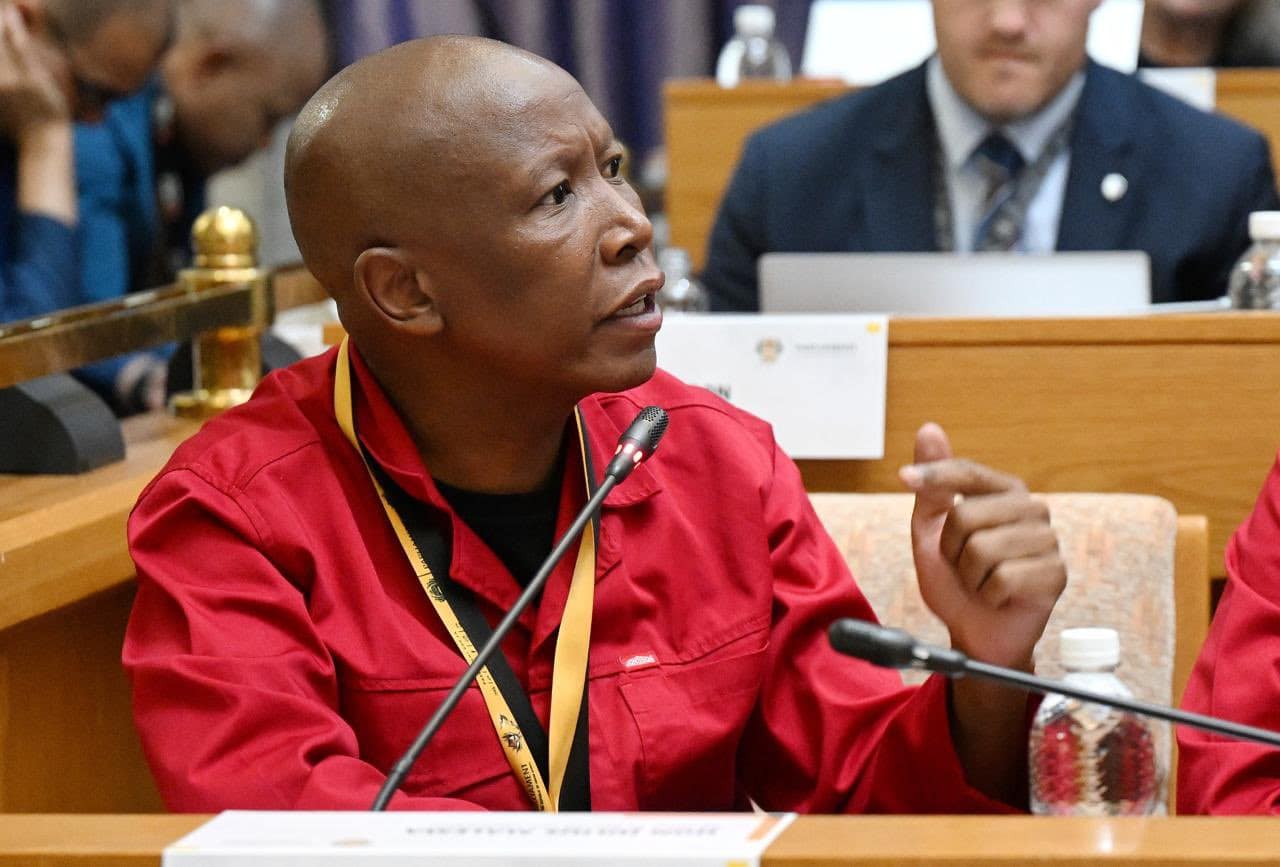
The political temperature in Parliament soared on Tuesday as Economic Freedom Fighters (EFF) leader Julius Malema unleashed a blistering verbal assault on National Director of Public Prosecutions (NDPP) Shamila Batohi, accusing her of presiding over the National Prosecuting Authority (NPA) with a “retirement mentality” of indifference and of displaying a shocking lack of curiosity about the sources of multi-million-rand donations to her office.
The confrontation erupted during a meeting of Parliament’s Justice and Correctional Services Portfolio Committee, where Batohi was appearing to account for the NPA’s performance. The exchange, which has since gone viral, centered on a R50 million donation the NPA received from a private entity, details of which Malema claimed were disturbingly vague.
In a moment of high political theatre, Malema did not hold back. “You are really answering like a person who’s going on retirement,” he charged, his voice laden with contempt. “It’s like you don’t care. You don’t care what happens.”
The EFF commander-in-chief then zeroed in on the controversial donation, expressing incredulity at Batohi’s admission that the NPA had not thoroughly vetted the donors.
“How do you come here and you say you don’t know who gave you 50-something million? You have not researched them,” Malema demanded, his tone shifting from accusation to one of ominous suspicion. “What if these people are funded by Cat Matlala?”
The reference to “Cat Matlala” is a highly charged and symbolic one in South Africa’s political landscape. Matlala is a fictional wealthy businessman, often used as a rhetorical stand-in for the shadowy and corrupt networks of state capture—the very forces the NPA is meant to be dismantling. By invoking this name, Malema was implicitly accusing the NPA of potentially being compromised by the same illicit interests it is supposed to prosecute.
The Context of Frustration
Malema’s outburst encapsulates a growing wave of public and political frustration with the NPA’s perceived lack of tangible results in high-profile corruption cases. Despite high expectations upon her appointment, Batohi’s tenure has been marked by systemic challenges, including a lack of resources, internal instability, and fierce legal resistance from those implicated in state capture.
For opposition parties like the EFF, the slow pace of prosecutions is evidence of a failing institution. The mystery surrounding a multi-million-rand donation—a significant sum for a cash-strapped entity—provided Malema with the perfect ammunition to argue that the NPA is not only ineffective but potentially compromised.
The NPA’s Defence and the Fallout
In her response, Batohi maintained a calm demeanour, insisting that the NPA follows all necessary Treasury regulations for receiving donations and that the funds were used for their intended purpose of bolstering capacity. She reiterated that the identity of the donor was known to the NPA’s leadership but emphasized that the funds were received cleanly and with no strings attached.
However, for many observers, this defence was insufficient. Malema’s theatrics successfully framed the issue as one of fundamental integrity and vigilance. The question he posed—”What if these people are funded by Cat Matlala?”—is likely to linger, casting a long shadow over the NPA’s credibility.
The incident has escalated calls for a full, transparent audit of all private funding received by the NPA. It also places immense pressure on Batohi to not only accelerate prosecutions but to publicly demonstrate that her institution is entirely free from the influence of the very shadowy figures it was created to bring to justice. For South Africans weary of corruption, the exchange was less a political skirmish and more a stark illustration of a deepening crisis of confidence in a pillar of democracy.
About The Author