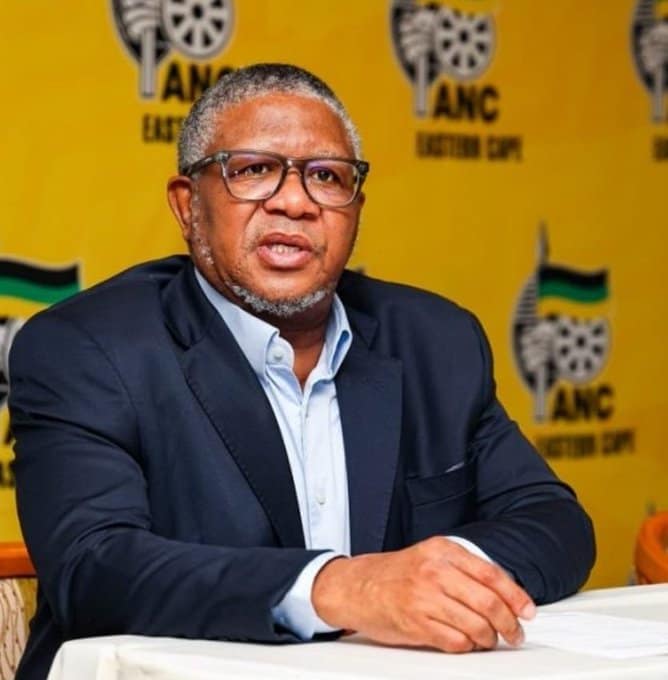
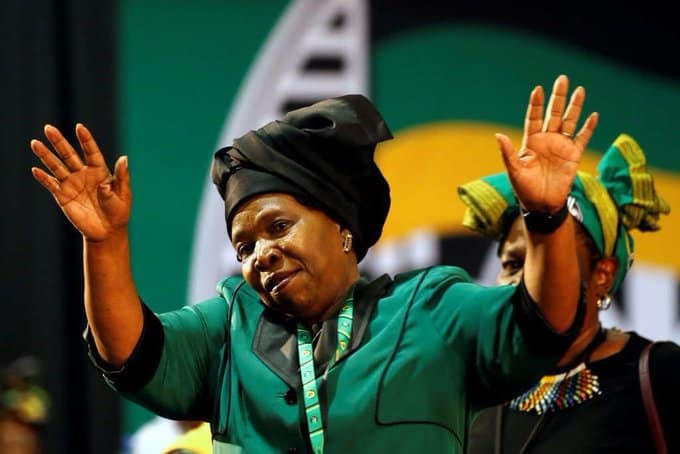
Former African Union Commission chairperson Dr Nkosazana Dlamini-Zuma has said that if the African National Congress is to genuinely renew itself, it must confront the use of money during elective conferences. She restated the point on Monday, 5 October 2026, after the Gauteng High Court ordered her and ANC secretary-general Fikile Mbalula to give oral evidence in his defamation case against her.
Dlamini-Zuma has long argued that the influence of money in internal party contests undermines the democratic will of branches and erodes the integrity of the ANC’s leadership selection processes. Her comments come amid ongoing legal proceedings in which Mbalula is suing her for defamation over allegations she made regarding his conduct. The court’s decision to require oral evidence means both senior figures will testify in open court, a rare and potentially damaging spectacle for the party.
“The renewal of the ANC is not about slogans or conferences,” Dlamini-Zuma said. “It is about confronting the reality that money has corrupted our internal processes. If we cannot elect our leaders honestly, how can we claim to govern the country honestly?” She argued that the use of money to buy votes and influence branch delegates has become a systemic problem that threatens the party’s credibility and its relationship with ordinary members.
Her remarks are likely to reignite internal debate about the state of the ANC’s democratic processes, particularly as the party prepares for its next elective conference. The issue of money in politics has been a recurring theme in South African public discourse, with allegations of vote-buying and patronage networks frequently surfacing during party conferences.
The defamation case between Dlamini-Zuma and Mbalula adds a personal and political dimension to the broader debate. Both are senior figures within the ANC, and their legal battle is being closely watched for its implications for party unity and discipline. The Gauteng High Court’s decision to order oral evidence suggests that the matter will not be resolved quietly.
For Dlamini-Zuma, the case is an opportunity to advance her argument about the need for genuine renewal. For the ANC, it is another headache in a long list of challenges that threaten its standing ahead of the local government elections. As the party grapples with internal divisions, external criticism, and a restless electorate, the question of whether it can truly renew itself, or whether it will remain captive to money and factionalism, has never been more urgent.
About The Author