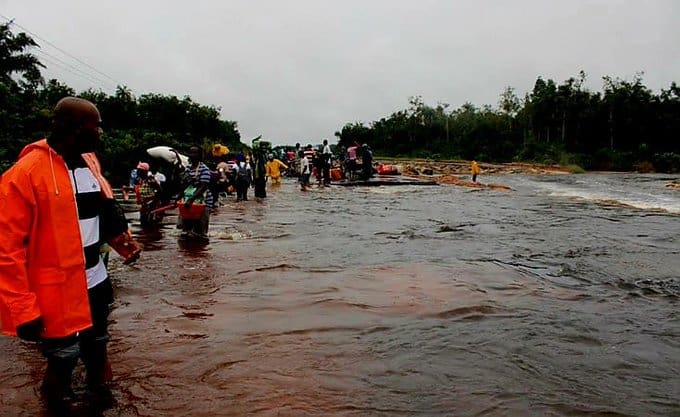
In a critical response to a mounting humanitarian crisis, the Limpopo provincial government has launched a large-scale operation to relocate hundreds of families left destitute after weeks of torrential rains culminated in devastating floods across the low-lying regions of the province. The disaster has submerged villages, severed vital transport links, and claimed lives, with rescue teams—including the South African National Defence Force (SANDF)—working against time to save those still trapped.
The scale of the destruction is staggering. Rivers, including the Klein Letaba and Levuvhu, have burst their banks, transforming landscapes into vast, churning lakes. In Mbaula village, just outside Giyani, the grim reality is palpable: 36 homes have been either completely washed away or rendered uninhabitable, leaving dozens of residents with only the clothes on their backs. Displaced families have been gathering in makeshift shelters at local community halls and schools, relying on emergency donations of food, water, and blankets.
“We have lost everything. The water came in the night, and we had to run. Our furniture, our children’s school books, our identity documents—all gone,” said Thandi Masingi, a mother of three now sheltering at the Mbaula Primary School. “We are grateful for the help, but our hearts are broken for our home.”
The provincial government’s relocation effort is targeting these most vulnerable communities. Buses and government trucks have been deployed to move families from waterlogged areas and temporary shelters to more secure accommodation in drier parts of the province, including designated relief centres with better access to essential services. Social Development MEC, Nkakareng Rakgoale, confirmed the deployment of social workers to provide psycho-social support to traumatized survivors.
“Our immediate priority is saving lives, providing shelter, and stabilizing the situation,” Rakgoale stated during a briefing in Polokwane. “We are working in tandem with national disaster management and the SANDF to ensure no one is left behind.”
The military’s role has been pivotal. SANDF helicopters have been conducting daring aerial rescues, airlifting stranded individuals from the rooftops of submerged homes and even from trees where they had clung for hours. The operation is perilous, hampered by ongoing rain and powerful currents.
Beyond the immediate human toll, the infrastructural damage is severe, isolating entire communities. Several major roads and bridges have collapsed, cutting off access for ground-based emergency vehicles and complicating relief efforts. The tragic human cost was underscored by the recovery of the body of a six-year-old child who was swept away by raging waters near Thohoyandou—a loss that has cast a pall over the province.
As relocation efforts continue, authorities warn that the crisis is far from over. Weather services predict further rainfall, and the full economic impact—particularly on the region’s agriculture—is yet to be calculated. The provincial government has appealed for additional aid from national treasury and has called on NGOs and the private sector to bolster the relief mission, emphasizing that the path to recovery for Limpopo’s flood victims will be long and arduous.
About The Author