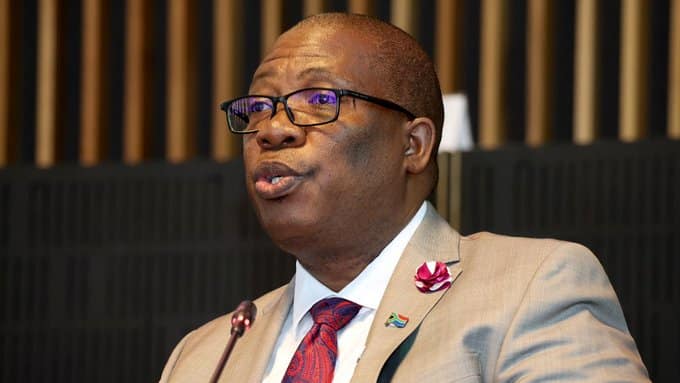
Gauteng Premier Panyaza Lesufi has announced a groundbreaking strategic move, revealing plans to convert the temporary coordination team behind the province’s successful hosting of the 2025 G20 Leaders’ Summit into a permanent, high-capacity “legacy structure.” This initiative is designed to ensure that the momentum, expertise, and world-class infrastructure developed for the historic global event deliver lasting benefits for the province’s residents long after the world leaders have departed.
The announcement comes on the heels of what has been widely hailed as a flawlessly executed summit, held in Johannesburg from November 22-23, 2025. The event marked a seminal moment for the continent, being the first time the prestigious G20 meeting was hosted on African soil. Premier Lesufi, addressing the media at the summit’s main venue, hailed the accomplishment as a “triumph of teamwork,” crediting a multi-sectoral coalition of government entities, private sector partners, and thousands of dedicated volunteers.
From Temporary Task Team to Enduring Engine
The decision to institutionalize the G20 coordination team addresses a common pitfall of major global events: the dissipation of hard-won skills and coordinated networks once the closing ceremonies conclude. The new permanent unit will be tasked with a dual mandate:
- Leveraging the Infrastructure Dividend: The summit served as a powerful catalyst for accelerated infrastructure development. This included not only cosmetic beautification but significant, tangible upgrades:
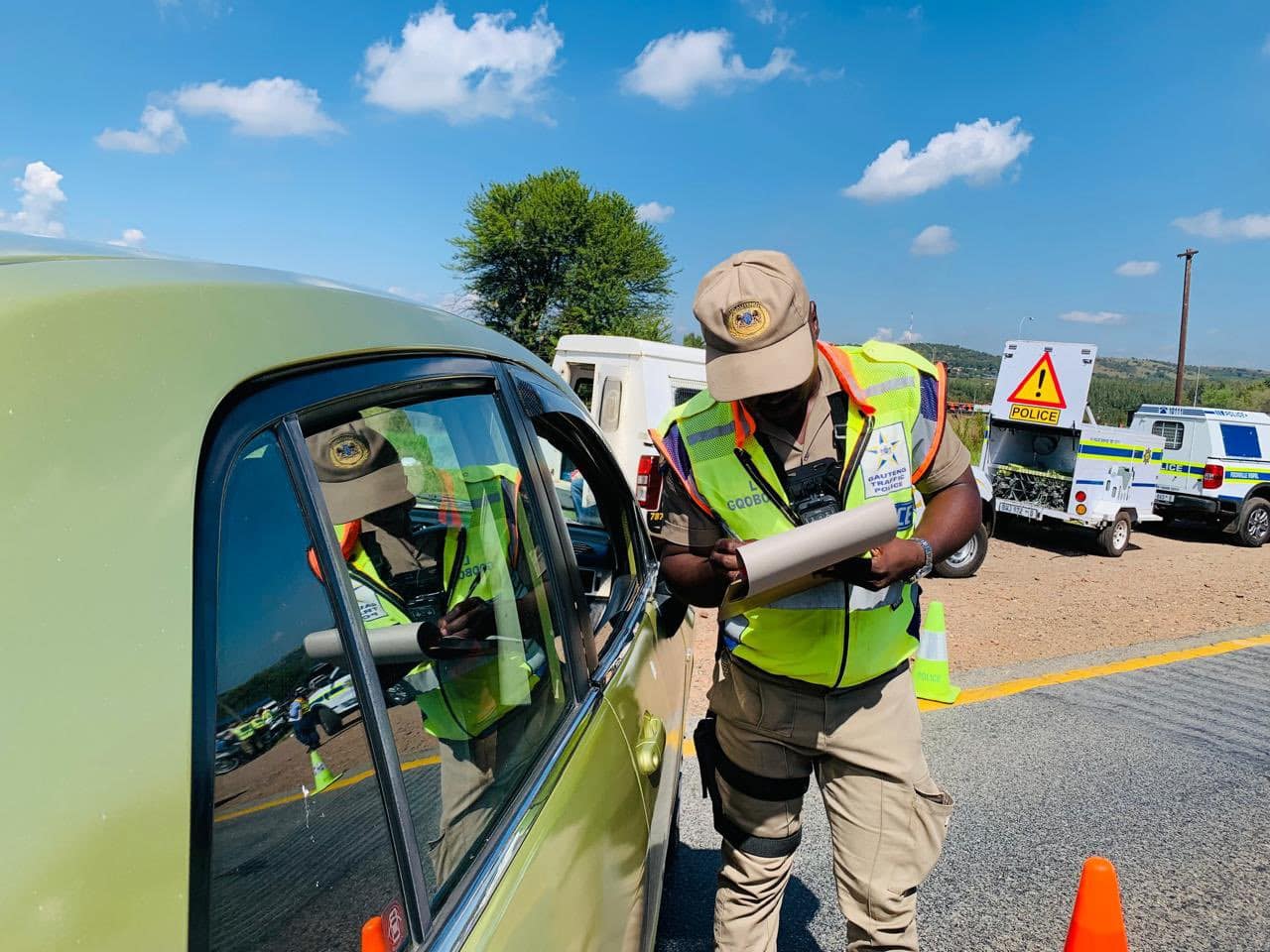
- Transport: Critical road networks, including the M1 and N1 highways, received extensive resurfacing and intelligent transport systems were installed to manage traffic flow, benefits that will ease daily commutes.
- Safety and Security: A state-of-the-art, integrated security and surveillance system was deployed across key nodes in Johannesburg and Pretoria. This network, which proved highly effective during the summit, will now be repurposed to bolster the fight against crime, creating a safer environment for citizens and businesses.
- Digital and Utility Resilience: Major investments were made in bolstering broadband connectivity and ensuring backup power solutions for critical public areas, directly addressing the twin challenges of load-shedding and the digital divide.
- Retaining “Institutional Muscle Memory”: The unit will serve as a central repository for the project management, crisis-response, and large-scale logistical expertise honed during the G20 preparations. This “institutional muscle memory” will be on tap for future major events, complex infrastructure rollouts, and other provincial priorities, ensuring Gauteng can execute large-scale projects with greater efficiency and speed.
A Blueprint for Future-Focused Governance
Premier Lesufi framed the move as a fundamental shift in how the province approaches development. “The G20 was not an end in itself; it was a means to an end,” he stated. “We have built a machine that works. It would be a profound disservice to the people of Gauteng to simply dismantle that machine now. This legacy structure is our commitment to converting a two-day event into a two-decade advantage.”
The permanent unit is expected to work across various provincial departments, acting as a specialist implementation and coordination arm. While further details regarding its budget, staffing, and specific reporting lines are yet to be finalized, the announcement signals a bold attempt to embed the high standards of the G20 into the everyday business of governing South Africa’s economic heartland. For residents, the promise is clear: the roads they drive on, the security they experience, and the efficiency of their government should bear the positive, lasting imprint of the time the world came to Gauteng.
About The Author