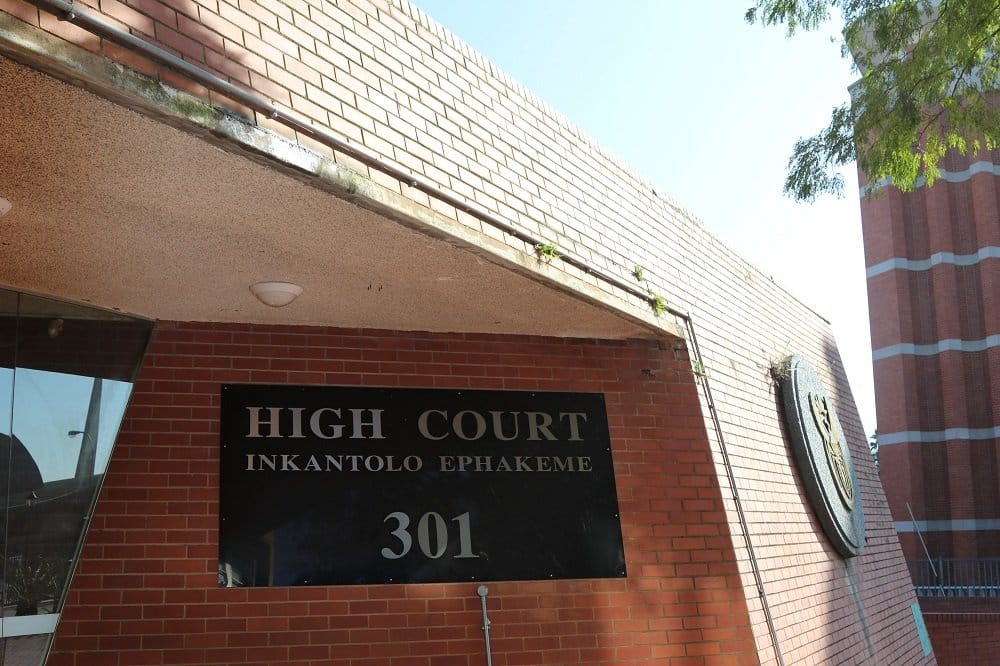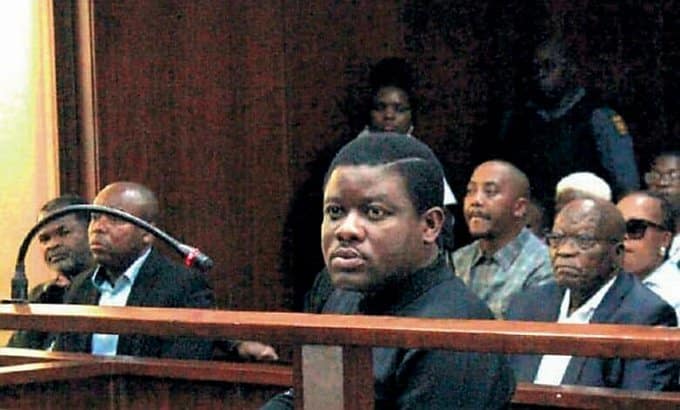
The Durban High Court braces for a long-awaited reckoning as the monumental trial of the 62 alleged instigators of South Africa’s July 2021 unrest resumes on Monday. The proceedings, set against a backdrop of national trauma, carry the weight of a nation seeking answers to a week of chaos that claimed over 350 lives and crippled the economic heart of KwaZulu-Natal and Gauteng.
The accused, whose ranks are believed to include former politicians, businesspeople, and community figures, stand in the dock facing a formidable slate of charges: incitement to commit public violence, terrorism, and conspiracy to commit murder. These charges reflect the state’s contention that the looting, arson, and violence that brought the country to its knees were not spontaneous acts of anger but the result of a coordinated plot.
The trial’s path has been as fraught as the events it seeks to adjudicate. Plagued by a labyrinth of procedural delays, legal wrangling over evidence, and the sheer logistical challenge of managing a case with so many defendants, progress has been halting. Previous hearings have been consumed by debates around bail conditions, the disclosure of vast digital evidence—including alleged incriminating messages on encrypted platforms—and challenges from defense teams arguing the state’s case is politically motivated and built on circumstantial threads.
“The delays have been a secondary torment for the victims and the nation,” notes legal analyst Thandiwe Nkosi. “Every adjournment feels like a deferral of justice, yet the complexity of this case is unprecedented. The state is attempting to prove a chain of command, a conspiracy that allegedly turned social media rhetoric into real-world devastation.”
The unrest, which followed the imprisonment of former President Jacob Zuma, swiftly morphed from scattered protests into a tsunami of destruction. Logistics corridors were severed, shopping malls were stripped bare and burned, and critical infrastructure was attacked, creating a scenario the government described as an “insurrection.” The state’s indictment alleges the defendants played specific roles in planning and fueling this fire, acting as architects of the anarchy.
As the trial resumes, the central courtroom in Durban is expected to be a tense arena. Key questions hang in the air: Can prosecutors successfully connect the online rhetoric of the accused to the offline torrent of violence? Will the evidence withstand the vigorous challenges from a formidable defense? And finally, can the judicial process provide a definitive narrative for a chapter that exposed South Africa’s deepest vulnerabilities?
For the families of those who died in the violence, for the thousands who lost their livelihoods, and for a country still grappling with the scars, this resumption is more than a legal formality. It is a pivotal attempt to assign accountability for one of the most destabilizing episodes in post-apartheid South Africa’s history. The world will be watching as the gavel falls, marking the next, critical phase in a trial that seeks not just convictions, but a measure of catharsis for a wounded nation.
About The Author