JOHANNESBURG – The City of Johannesburg is embarking on a major drive to formalise its vast informal economy, urging thousands of traders to apply for permits while simultaneously cracking down on unauthorized vending—a dual approach that has already sparked legal challenges and public backlash.
Mayor Dada Morero announced the rollout of a new registration process, framing it as a necessary step to “restore order and safety” in a central business district (CBD) that he said has been compromised by “illegal and unregulated trading.”
A “Structured, Not Prohibitive” Approach
Speaking at a media briefing, Mayor Morero sought to strike a balance, insisting the city supports informal traders but must enforce its by-laws.
“The city’s efforts are designed to restore order and safety while promoting a regulated and inclusive informal trading environment,” Morero stated. He emphasized that trading space is finite, adding, “It can’t be perpetual that everybody wants to trade in the city. So, it will be regulated and limited to a particular number of people.”
The mayor directly linked unlicensed vending to the “filthy state” of the inner city, citing problems of “overcrowding, obstruction of pedestrians, and compromised safety and cleanliness.”
Economic Contribution vs. Regulatory Pushback
The initiative highlights a central contradiction facing South Africa’s economic hubs: the vital role of the informal sector versus the pressure for orderly urban management.
The city itself reported that its estimated 25,000 informal traders contribute a significant 5% to 7% to the local economy. However, this acknowledgment comes alongside a firm commitment to “clamp down on unauthorised trading,” with the municipality having already removed traders operating outside designated areas.
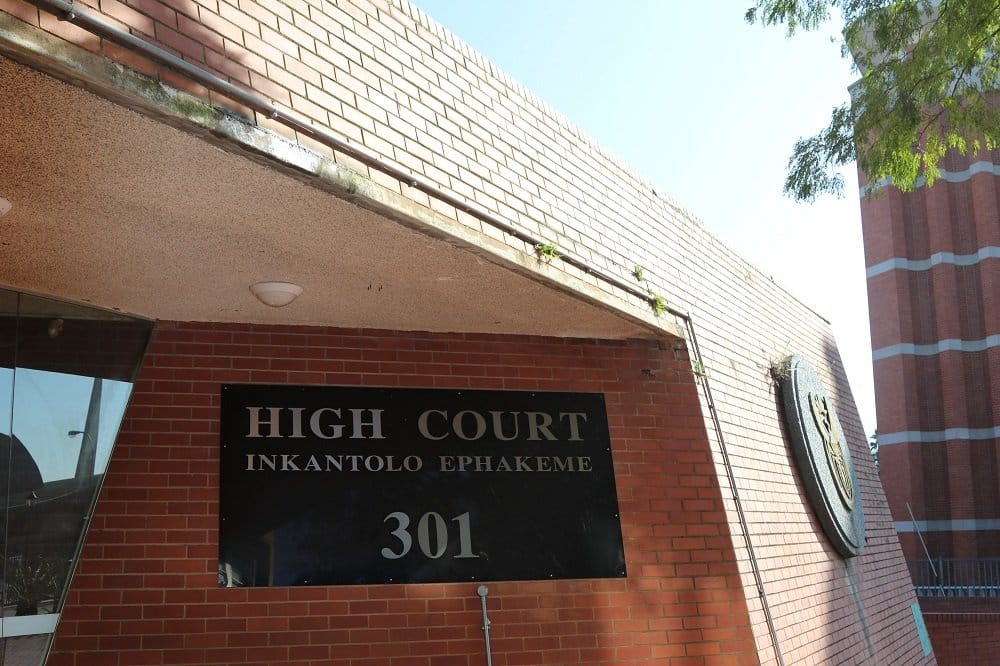
This crackdown has not gone unchallenged. The Socio-Economic Rights Institute of South Africa (SERI) has taken the city to court over the removals, setting the stage for a legal battle that pits the city’s regulatory powers against the economic rights of traders.
The success of the new permit drive now hangs in the balance, as the city attempts to clean up the CBD without extinguishing the entrepreneurial spirit that fuels a critical part of its economy.
About The Author