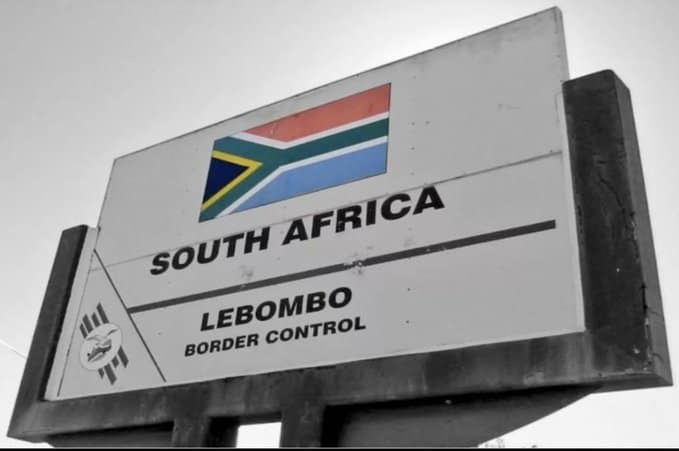
The anxiety is palpable in the boardrooms of Johannesburg and the trading floors of Cape Town. It is not load shedding this time, nor is it a domestic political crisis. The storm clouds gathering over the South African economy are originating thousands of kilometers away, in the explosive cauldron of the Middle East. As the violence between Israel, Hamas, Hezbollah, and Iran shows no sign of abating, local investors and businesses are bracing for impact, watching helplessly as global supply chains buckle and costs spiral.
The concern, which has been simmering for months, has now reached a boiling point. With each fresh escalation—each missile strike, each retaliation—the fragility of the global economic system is laid bare. And for a country like South Africa, already grappling with a sluggish economy, high unemployment, and a weak currency, the knock-on effects are potentially devastating.
“We are moving from a state of concern to a state of alarm,” said Dawie Roodt, a prominent economist. “South Africa is a price-taker in the global economy. We have very little control over events overseas, but we feel every shock. The Middle East conflict is now a major threat to our already fragile economic recovery.”
The Anatomy of a Supply Chain Shock
To understand why a war in the Levant matters so much to a factory in Pinetown or a retailer in Polokwane, one must look at the map. The Middle East is not just a conflict zone; it is the world’s energy powerhouse and a critical artery of global trade.
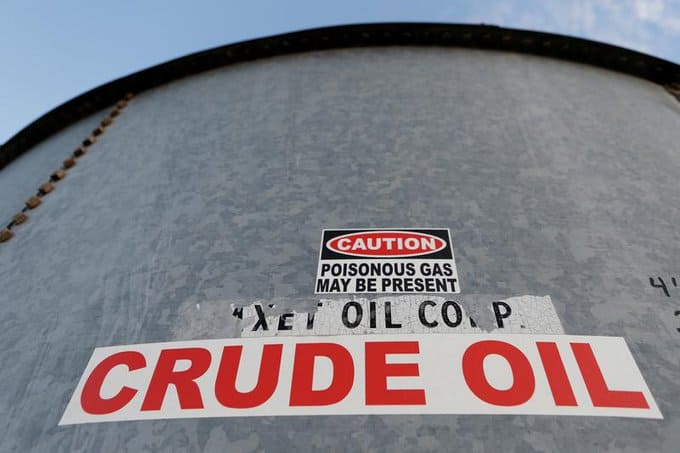
The immediate fear is oil. The region accounts for nearly a third of the world’s crude oil production. Any significant disruption—whether it is the closure of the Strait of Hormuz, through which 20% of global oil passes, or direct attacks on Saudi or Iranian facilities—would send prices skyrocketing. For South Africa, a net importer of oil, this translates directly into higher fuel prices. Higher fuel prices mean higher transport costs for every single good in the economy, from bread to bricks.
“We are already seeing the effects in the forward pricing markets,” said an energy analyst. “The ‘fear premium’ is being baked into the price of oil. If the conflict widens, that premium will explode, and South African motorists and businesses will pay the price at the pump.”
But oil is only part of the story. The Red Sea, a vital waterway for global shipping, has become a battlefield. Houthi rebels in Yemen, aligned with Iran, have been attacking commercial vessels they claim are linked to Israel, disrupting one of the busiest trade routes on the planet. Major shipping lines are now diverting vessels around the Cape of Good Hope—ironically, past South Africa’s own shores—adding thousands of kilometers and weeks of delay to voyages.
For South African importers and exporters, this is a double-edged sword. While the diversion of ships past the Cape might seem like a geographical windfall, it is actually a symptom of a deeper problem: the global shipping system is seizing up. Containers are in the wrong places. Insurance costs for vessels have soared. Delivery times are unpredictable.
Sectors Under Siege
The pain is being felt across multiple sectors of the South African economy.
- Retail: Major retailers who rely on imported goods from Asia and Europe are facing longer lead times and higher freight costs. A shirt made in Bangladesh or a television set from China now takes weeks longer to arrive and costs significantly more to transport. These costs will inevitably be passed on to consumers, exacerbating the cost-of-living crisis.
- Manufacturing: Local manufacturers who depend on imported raw materials or intermediate components are struggling to keep production lines running. Just-in-time inventory systems, already strained by the pandemic, are now under renewed pressure. A factory cannot produce goods if the parts are stuck on a ship at sea.
- Agriculture: The Western Cape’s fruit export industry, a major earner of foreign currency, relies on timely access to European and Middle Eastern markets. Delays at sea can mean entire shipments of perishable goods rotting before they arrive. The diversion of shipping routes adds uncertainty to an already volatile export market.
- Logistics: South Africa’s own logistics sector, including Transnet’s ports, is being asked to handle increased traffic from diverted vessels. Given the parlous state of the country’s port infrastructure—plagued by equipment failure and inefficiency—this additional burden could lead to congestion and further delays.
The Investor Mood
On the Johannesburg Stock Exchange (JSE), the mood is jittery. Global uncertainty typically drives investors toward safe-haven assets like the US dollar and gold, and away from emerging market currencies and stocks. The rand, already under pressure from domestic woes, has weakened further against the dollar, making imports more expensive and fueling inflation.
“The rand is the canary in the coal mine,” said a currency trader. “Every time there is an escalation in the Middle East, the rand sells off. It is a proxy for risk aversion. International investors see the conflict, they see the potential for a global slowdown, and they pull money out of riskier markets like ours.”
Foreign investment in South African bonds and equities, already at relatively low levels, could shrink further, starving the country of much-needed capital.
A Glimmer of Paradox
Ironically, the conflict has provided a boost to one corner of the South African market: gold. As a traditional safe-haven asset, the gold price has surged past $2,400 an ounce, providing some relief to the country’s major gold mining houses. But this is cold comfort for the broader economy.
“It is a classic paradox,” Roodt explained. “Gold goes up, which helps the mines. But everything else—oil, shipping, the rand—goes in the wrong direction. On balance, South Africa loses. We are bystanders in a conflict we cannot control, picking up the tab.”
Looking Ahead
As diplomatic efforts to contain the conflict sputter and fail, businesses are being forced to adapt. Some are diversifying their supply chains, seeking alternative sources for goods previously sourced from Asia. Others are increasing inventory levels, holding more stock as a buffer against future disruptions. These measures, however, come at a cost.
For the average South African, the impact will be felt in the slow, steady creep of prices. A loaf of bread will cost a little more. A liter of petrol will eat a little deeper into the budget. The dream of economic recovery will recede a little further.
The Middle East is far from Johannesburg, but in a globalized world, its violence echoes in every corner. And for South Africa, already struggling to find its footing, those echoes are a warning of darker days ahead.
About The Author