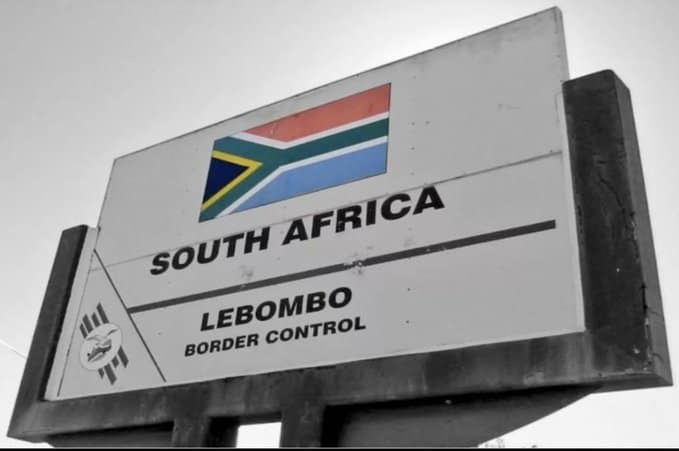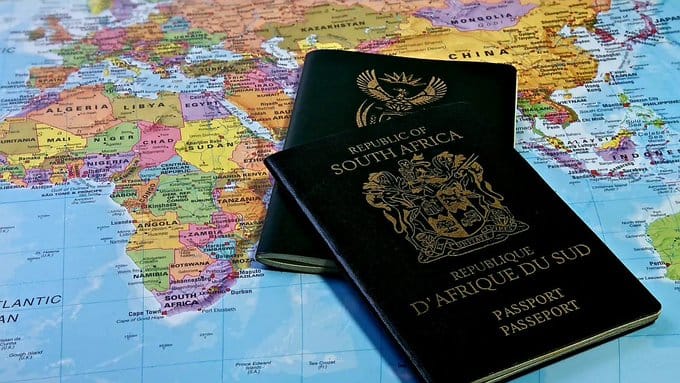
A desperate plea for help is echoing across the Indian Ocean, as families in South Africa frantically lobby their government to rescue 14 young citizens trapped in a harrowing ordeal in Thailand. The group, composed primarily of skilled IT specialists lured from cities like Johannesburg, Cape Town, and Durban by promises of lucrative careers, now finds itself stranded in a foreign land, alleging they are being held against their will by shadowy employers in what appears to be a sophisticated transnational job scam.
The nightmare began months ago with polished online advertisements and seemingly legitimate recruiters, offering dream IT positions with high salaries, accommodation, and visa sponsorship in Southeast Asia. For these young professionals, the offers represented a breakthrough—a chance to advance their careers on a global stage. However, upon arrival in Thailand, the dream rapidly dissolved into a coercive reality.
According to fragmented communications from the group, their passports were confiscated under the guise of “visa processing” by their employers. They were then moved to guarded compounds, not in bustling Bangkok, but in less conspicuous locations. Their work, they discovered, was not legitimate IT development, but tasks linked to online scams—running cryptocurrency fraud schemes or “pig-butchering” romance scams—targeting people globally. Those who protested or expressed a desire to leave faced threats of violence, crippling “contract breach” fines amounting to thousands of dollars, or reports to local authorities for alleged visa violations.
“We are prisoners,” read one text message shared by a family member. “We work endless hours, they monitor everything. They say if we try to leave, we will be arrested or worse. Please, we just want to come home.”
The families, united in their anguish, have launched a concerted campaign for government intervention. “Our children are not tourists who overstayed. They are victims of human trafficking for forced labour,” declared Siphokazi Mazibuko, the spokesperson for the concerned families, during a press conference in Pretoria. “We have provided Dirco with names, locations, passport details, and everything we have. We need a dedicated, urgent diplomatic rescue mission. Every hour they remain there, their safety is at greater risk.”
The case presents a complex crisis for South Africa’s Department of International Relations and Cooperation (Dirco). While the department has acknowledged receipt of the pleas, stating that “consular assistance is being provided through our Mission in Thailand,” families report a agonizing process hampered by bureaucratic hurdles, jurisdictional tangles, and the elusive nature of the captors.
“The challenge is multidimensional,” explains a security analyst specializing in Southeast Asian crime syndicates, who requested anonymity. “These operations are often run by organized crime networks with local connections. The victims are technically on valid visas, but are controlled through debt bondage and intimidation. Thai authorities need to be persuaded to conduct raids on specific compounds, which requires impeccable intelligence and coordination. It’s a diplomatic and law enforcement tightrope.”
The plight of the South Africans is not isolated. It reflects a sinister regional trend where thousands, predominantly from across Asia and Africa, are trafficked into scam compounds in countries like Myanmar, Cambodia, Laos, and Thailand. The current situation in Thailand, however, places the victims in a nation with which South Africa has formal diplomatic ties, increasing pressure for a direct resolution.
As the families camp outside Dirco offices and rally on social media with the hashtag #BringOurITKidsHome, the South African government faces a critical test of its consular responsibility and crisis response capability. The world is watching to see if it can cut through the shadowy networks and bring its citizens home from a nightmare manufactured not in a warzone, but in the deceptive glow of a job offer on a computer screen. For the 14 stranded young professionals, the promise of a global career has become a fight for their basic freedom and safe return.
About The Author