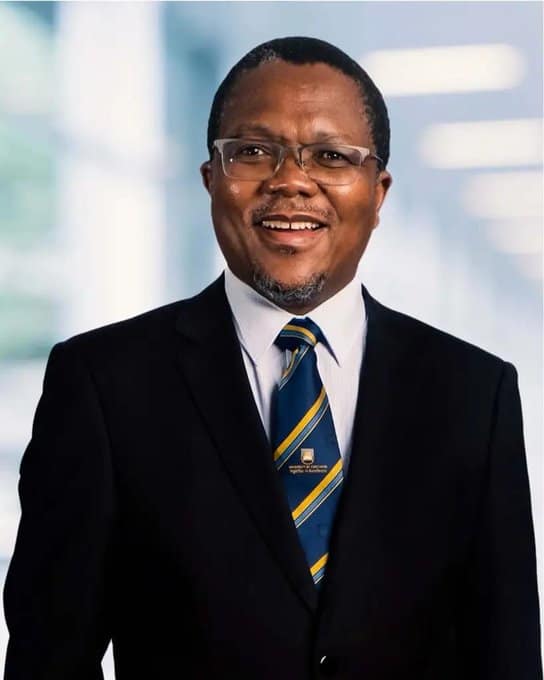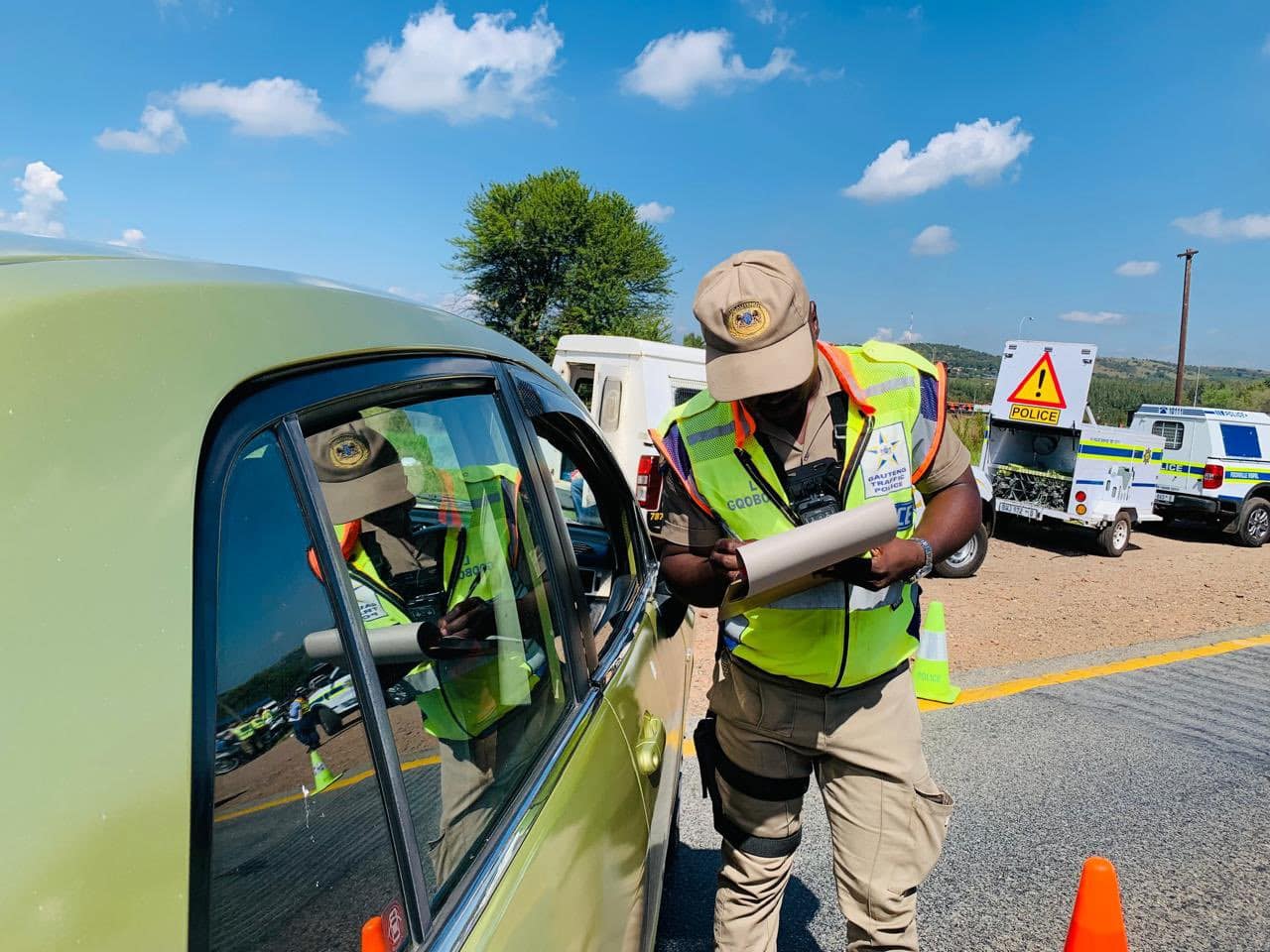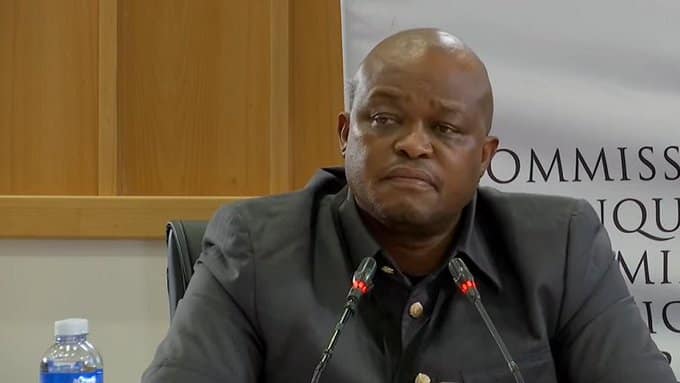
He has been called a whistleblower, a liar, a hero, and a fugitive. But whatever label one attaches to Brown Mogotsi, one thing is undeniable: when he speaks, the upper echelons of South Africa’s police leadership tremble. And now, after months of speculation and legal maneuvering, the controversial former crime intelligence operative has confirmed that he is coming back to the witness stand.
In an interview that sent ripples through the political and law enforcement establishment, Mogotsi told the SMWX podcast on Monday, 16 February 2026, that he will return to the Madlanga Commission of Inquiry next week to give further testimony. His words were characteristically direct, delivered with the calm confidence of a man who knows he holds secrets that could topple careers.
“I’m going back next week,” Mogotsi stated plainly, sipping from a glass of water as the podcast host leaned forward. “There is more to say. There are names I haven’t mentioned. There are documents that haven’t been seen. The commission needs to know the full picture, and I am the only one who can paint it.”
The announcement marks a dramatic escalation in an inquiry that has already exposed deep rot within Gauteng’s police leadership. Mogotsi, a former intelligence officer with years of experience in the shadows of South Africa’s security apparatus, first appeared before the commission in late 2025. His testimony was nothing short of explosive. He detailed a web of corruption, racketeering, and political interference that allegedly reached the highest levels of the South African Police Service (SAPS) and the Independent Police Investigative Directorate (IPID).
He named names. He produced documents. He described meetings where, he alleged, senior officers discussed protecting criminal syndicates in exchange for cash. He spoke of a “parallel structure” within the police—a shadowy network of officers who operated outside the law, answering only to themselves and their political patrons.
His testimony triggered a firestorm. Several high-ranking officials were suspended pending investigation. Others were summoned to appear before the commission to deny his allegations. Lawyers for the implicated officers spent hours cross-examining him, trying to poke holes in his credibility, painting him as a disgruntled former employee with an axe to grind.
But Mogotsi held firm. And now, he is coming back for more.
The SMWX podcast interview, which has since gone viral, offered a tantalizing preview of what might come. While Mogotsi was careful not to reveal specific names ahead of his formal testimony, he hinted at revelations that could shake the foundations of the police service.
“There are people who think they are safe,” he said, a slight smile playing on his lips. “They think because I stepped back, because the lawyers attacked me, that the storm has passed. They are wrong. The storm is just getting started. I have kept some things close to my chest. Next week, I open my chest.”
The reference to “documents that haven’t been seen” is particularly significant. Throughout his previous testimony, Mogotsi’s credibility rested heavily on the paper trail he provided—bank statements, SMS records, and internal police memoranda that corroborated his claims. If he indeed possesses more documentary evidence, the commission could be in for a second wave of revelations.
Legal experts following the inquiry are watching closely. “Mogotsi is a pivotal witness,” said investigative journalist and legal analyst Thuli Mthethwa. “He is the insider who can connect the dots. The commission’s final report will stand or fall on the credibility of his testimony. His return suggests he believes there are loose ends that need tying up.”
But Mogotsi’s return is not without risk. He remains a deeply controversial figure. Critics point to his own checkered past within crime intelligence, suggesting he was not a whistleblower but a participant in the very corruption he now exposes. His lawyers have consistently denied any wrongdoing on his part, framing him as a patriot who chose to speak out despite the personal cost.
That personal cost has been immense. Since his first appearance, Mogotsi has lived under constant threat. He moves with a security detail. His family has been relocated. He has survived at least one alleged attempt on his life, which he attributes to those who want him silenced.
“I am not doing this for fun,” he told the podcast. “I am doing this because I have children. I have grandchildren. I want them to grow up in a country where the police are not criminals. If I have to risk my life for that, so be it.”
The Madlanga Commission, chaired by retired Justice Sisi Khampepe, has become the focal point of efforts to clean up Gauteng’s police service. Its mandate is broad, but its mission is specific: to root out corruption and restore public confidence in law enforcement. Mogotsi’s testimony is seen by many as the key to achieving that mission.
As the date for his return approaches, the tension in police and political circles is palpable. Lawyers for the implicated officials are preparing for another round of cross-examination. Commissioners are reviewing the transcripts of his previous testimony, looking for gaps that need filling. And the public, weary of corruption scandals, waits to see if this time, finally, the truth will lead to accountability.
Brown Mogotsi knows the stakes. He knows the cameras will be on him. He knows the attacks will come. But as he told the podcast host, with a certainty that bordered on chilling: “Next week, I will say what needs to be said. And after that, nothing will be the same.”
The countdown has begun.
About The Author