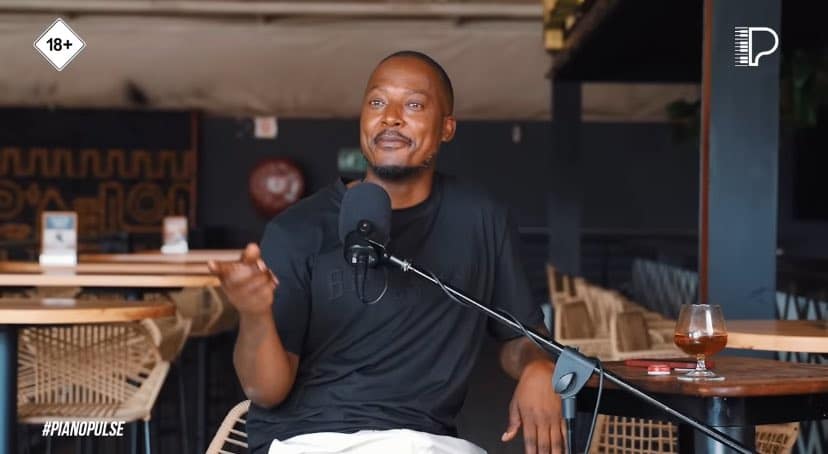
In a televised confession that has sent shockwaves through the South African music industry, music manager Sfiso Ndlovu has publicly admitted to deliberately withholding royalties from the creators of the 2023 amapiano hit, ‘Hamba Juba.’ The stunning revelation occurred during a tense and emotionally charged episode of the popular Piano Pulse podcast, pulling back the curtain on a year-long, bitter dispute that has pitted artist against manager and exposed the dark underbelly of royalty management in the digital age.
The track, a vibrant collaboration featuring JL SA, Lady Amar, Murumba Pitch, and the renowned singer Cici, became an instant anthem, amassing tens of millions of streams across platforms like Spotify, Apple Music, and YouTube. While its infectious log drum beat dominated airwaves and playlists, a silent war was raging behind the scenes. For over a year, the collaborating artists reported receiving not a single cent from the song’s massive success.
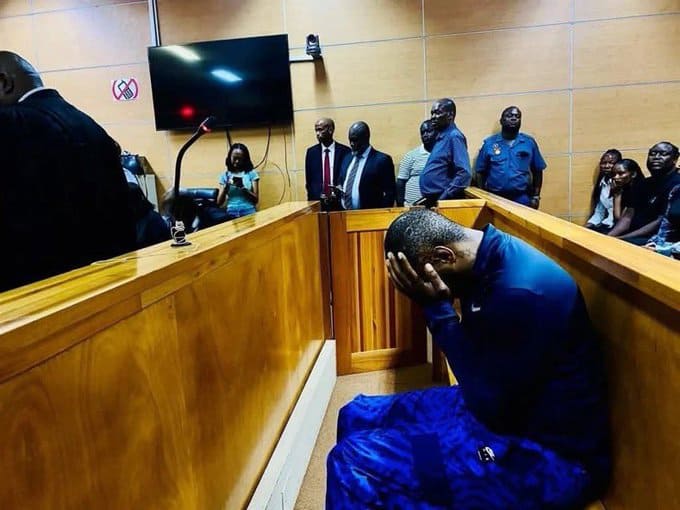
The podcast episode became the unlikely stage for this reckoning. What was intended as an industry discussion quickly escalated into a raw confrontation. With the hosts and a visibly distressed JL SA looking on, Ndlovu was pressed on the missing payments. In a moment that left the room in stunned silence, he offered a blunt, unapologetic confession: he had indeed withheld the royalties.
His justification, delivered in a calm and defiant tone, pointed to vague “administrative costs” and “business expenses” incurred during the song’s promotion, though he provided no detailed breakdown. The admission was a gut punch, particularly to JL SA, who broke down in tears on camera, his emotional distress laying bare the very real human and financial toll of the betrayal. “This is how we feed our families,” he pleaded, his voice cracking. “This is our work.”
The public airing of this private dispute revealed the toxic tactics that had characterized the past year. Collaborators described being systematically blocked on social media and ghosted when inquiring about payments, a strategy of avoidance that ultimately failed. The situation had grown so dire that Cici, a respected industry veteran, had been forced to publicly threaten legal action, signaling her intent to escalate the battle from social media call-outs to the courts.
Amid the emotional fallout, Ndlovu offered a promise: to begin repayment. However, the pledge, made under duress and without a concrete timeline or plan, rang hollow for many viewers. The damage was already done.
The incident has ignited a firestorm of debate online and within industry circles, making ‘Hamba Juba’ a cautionary tale. It highlights a critical vulnerability for artists in the fast-paced amapiano scene and beyond: a reliance on often-opaque management structures and a lack of financial transparency, even when success is quantifiable in the millions of streams. The case of Sfiso Ndlovu and ‘Hamba Juba’ is no longer just about one hit song; it has become a stark symbol of the fight for accountability and fair compensation in South Africa’s booming music industry.
About The Author