Johannesburg’s ambitious campaign to “restore the city to its former glory” has ignited a firestorm of controversy, with foreign national traders accusing the metro police and anti-migrant groups of using bylaws as a weapon, destroying livelihoods in the process.
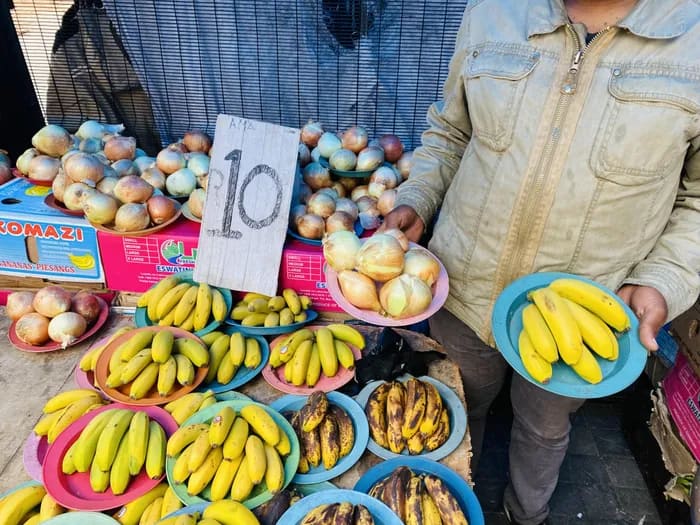
The city’s clean-up operation, which comes ahead of the high-profile G20 summit in November, has seen the Johannesburg Metropolitan Police Department (JMPD) deployed in force to clear informal traders from the streets. The once-vibrant “Dunusa” thrift market on De Villiers Street, a hub for affordable second-hand clothing, now stands eerily quiet, replaced by newly planted trees and a heavy police presence.
For the traders who formed the lifeblood of this economy, the change is catastrophic. “The JMPD does not treat us well. They harass us, they come without warning and throw away our goods, and we lose everything,” said John Mathebula, a 46-year-old Mozambican vendor who has traded in Johannesburg for 23 years. A father of nine, Mathebula claims he holds a valid permit but is still being forced out. “They are evicting us from the only thing that helps us put food on the table. That’s not cleaning the city. How are we supposed to survive?”
He warns that the crackdown could have dire social consequences. “If people are stopped from earning a living, some might turn to robbery or crime because they have no income.”
Political Motives and Expired Permits
The traders allege that the enforcement is not just about urban management but is deeply political. Mathebula points to groups like Operation Dudula and the Patriotic Alliance (PA), accusing them of targeting foreign nationals to galvanise support ahead of the 2026 local elections. “They come here and say they want all foreigners gone so they can get votes,” he stated. “Even if we leave, they have no plans for what comes next.”
The problem is compounded by a broken permit system. Maria Jaquim, 49, also from Mozambique, has been selling in the city since 1997. She says her permit expired in 2016, and despite repeated attempts, she could never get it renewed. “They told us to wait for messages, but we never got any. We don’t know if they are doing this to kill our businesses,” she said. Jaquim, who put four children through school—one recently graduating as an accountant from Unisa—on her market earnings, added, “When they say foreigners must go, it hurts us.”
A City Divided
While traders despair, some Johannesburg residents welcome the change. A 25-year-old shopper from Linden, who asked not to be named, said, “It’s much better than before – you can actually see where you’re going. It’s less crowded, and with the police around, it feels safer.”
This stark contrast in perspectives highlights the complex battle over the soul of the city. Is it being cleaned up or cleaned out? The City of Johannesburg, JMPD, and the named political groups did not respond to requests for comment, leaving the traders’ allegations hanging in the air alongside the newly planted trees on De Villiers Street—a symbol of renewal for some, and of shattered dreams for others.
About The Author