In a stunning display of forensic dismantling, a member of Parliament’s ad hoc committee, Khusela, delivered a blistering and methodical interrogation that systematically broke down the testimony of businessman Vusimuzi “Cat” Matlala, piece by piece. Moving beyond the headline-grabbing R100,000 bodyguard salaries, her line of questioning exposed a web of contradictions on issues ranging from his personal finances to his business practices and past criminal record, leaving his credibility in tatters.
A Surgical Approach to Testimony
Where previous questioning had been broad and confrontational, Khusela’s approach was surgical. She began by dissecting Matlala’s claims about his personal responsibilities, specifically the number of children he supported. Under her precise questioning, his initial figure became ambiguous, then shifted, creating the first crack in his composed facade. This initial inconsistency set the stage for a far more serious allegation.
Confronting a Chilling Allegation
In one of the hearing’s most tense moments, Khusela presented Matlala with a specific and disturbing claim: that he had once told a mother to kill her child. The allegation, which hung in the air of the committee room, was met with a defensive and convoluted response from Matlala. Khusela did not relent, pressing him for a direct answer and framing the issue as one of character, forcing the businessman into a corner where his evasiveness spoke volumes.
Poking Holes in the Business Empire
Shifting to his professional dealings, Khusela expertly challenged the foundation of Matlala’s VIP protection business. He had previously testified under oath that he had only one client. With the cool precision of a prosecutor, Khusela confronted him with evidence from his own social media—Instagram posts that showcased multiple individuals and events under his firm’s protection. Faced with this digital evidence, Matlala’s “single-client” narrative crumbled, revealing a significant inconsistency between his sworn testimony and his public brand.
Uncovering a Murky Past
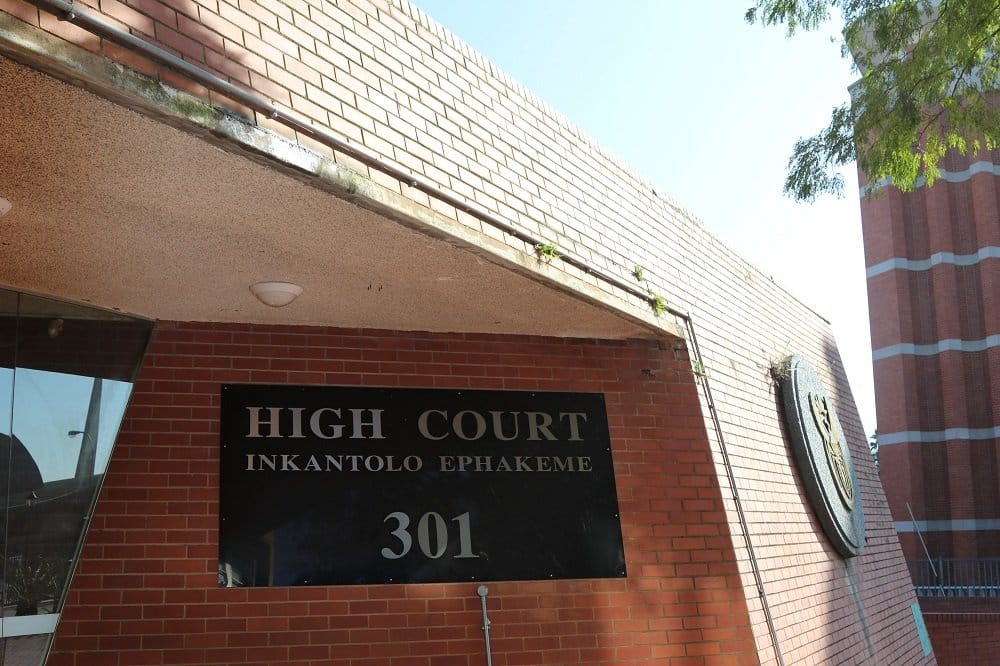
The final act of the unraveling concerned Matlala’s criminal history. When asked about a past conviction, he offered a version of events that seemed to minimize his culpability, suggesting a conviction for mere possession of stolen goods. Khusela, prepared with official court records, directly challenged this. She presented the documented judgment, which pointed to a more serious charge of burglary. The discrepancy between his recollection and the cold, hard court record was stark, exposing a fundamental inconsistency on a matter of legal fact and raising questions about his honesty before the committee.
By the end of the session, Khusela’s fierce and focused questioning had achieved what grandstanding could not: it had moved beyond political theater to a substantive exposure of contradictory statements. The interrogation did not just challenge Matlala’s facts; it challenged his very credibility, turning what was meant to be his defense into a damning portrait of evasion and inconsistency.
About The Author