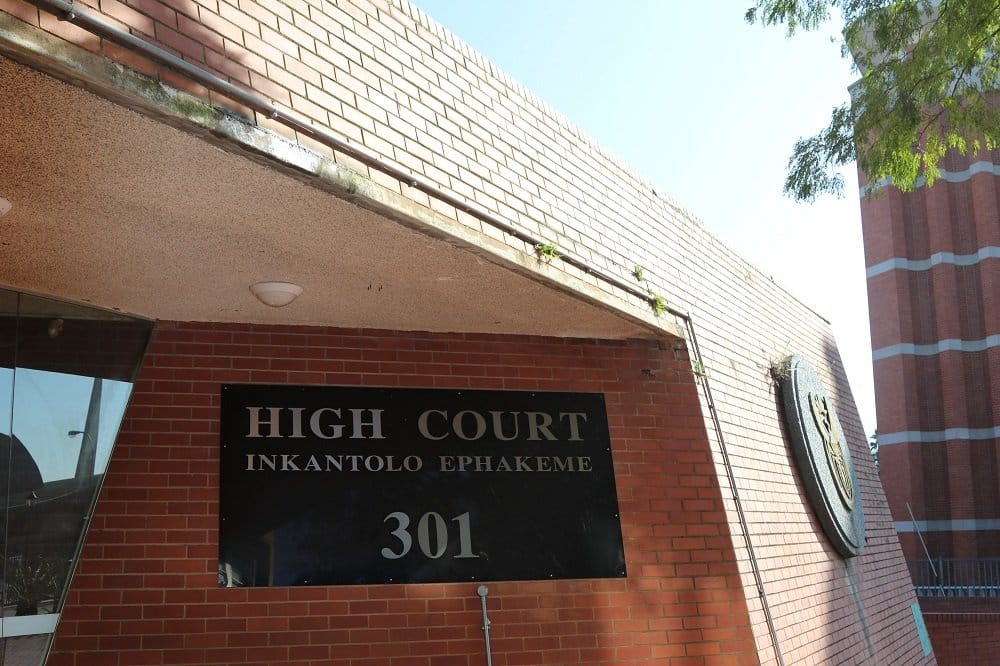
The long-running Senzo Meyiwa murder trial is set to resume this Monday morning at the Pretoria High Court, with a critical procedural decision on the agenda that could reshape the trajectory of the proceedings. The court is expected to determine whether members of the South African Police Service implicated in serious assault allegations will be summoned to testify before the bench.
This pivotal moment follows explosive testimony from a defence witness, Sifiso “Gwabini” Zungu, who last week detailed being physically assaulted by police officers. Zungu, who was questioned as part of the investigation into Meyiwa’s 2014 killing, alleged that officers present during his interrogation coerced him into signing a statement under duress. His account has thrown a stark spotlight on the methods employed during the initial phases of the high-profile investigation.
Defence counsel, led by Advocate Zandile Mshololo and Advocate Sipho Ramosepele, are expected to argue vigorously for the implicated officers to be called to the stand. They contend that the allegations are not merely peripheral but strike at the very heart of the case’s integrity. “These allegations raise profound and serious concerns about the conduct of the police and, consequently, the credibility and admissibility of evidence obtained during that period,” a defence source close to the proceedings stated. “If the foundation of the investigation is compromised by misconduct, it calls everything built upon it into question.”
The prosecution, led by Advocate George Baloyi, is likely to oppose the motion, potentially arguing that the allegations are a tactical diversion or are not directly relevant to the core evidence against the five accused men on trial. The presiding judge, Judge Ratha Mokgoatlheng, will have to weigh the necessity of exploring these claims against the principles of a fair trial and the potential for further delays in a case already plagued by postponements.
The outcome of today’s arguments carries significant implications. Should the judge rule in favour of the defence, it would open a new and contentious chapter in the trial—one that directly scrutinises police conduct. This could lead to applications to have certain pieces of evidence deemed inadmissible, potentially weakening the state’s case. Conversely, a ruling against calling the officers would allow the trial to proceed on its current track, but likely under a cloud of lingering doubt cast by the allegations.
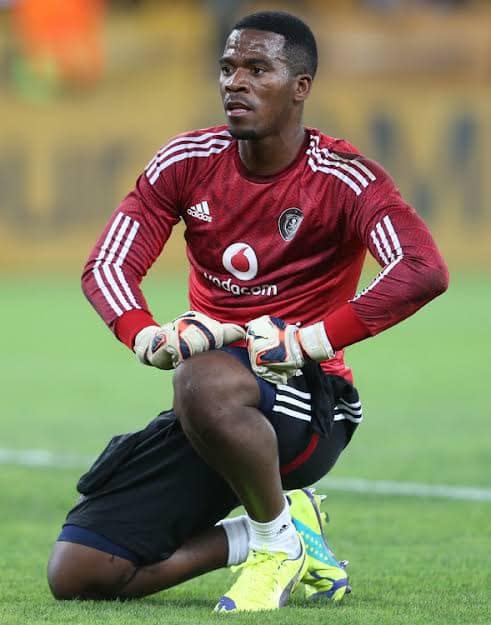
The trial revolves around the shooting death of Senzo Meyiwa, the beloved former captain of Bafana Bafana and Orlando Pirates, who was killed on October 26, 2014, in what was described as a botched robbery at the Vosloorus home of his girlfriend, singer Kelly Khumalo. Muzikawukhulelwa Sibiya, Bongani Ntanzi, Mthobisi Mncube, Mthokoziseni Maphisa, and Fisokuhle Ntuli stand accused of murder and robbery, charges they all deny.
For nearly a decade, the case has been characterised by investigative twists, public speculation, and allegations of bungling and misconduct, keeping the nation’s attention firmly fixed on the courtroom. Today’s resumption promises another layer of legal complexity, as the court grapples not only with determining what happened on that fateful night in Vosloorus but also with how the truth was pursued in the years that followed.
About The Author