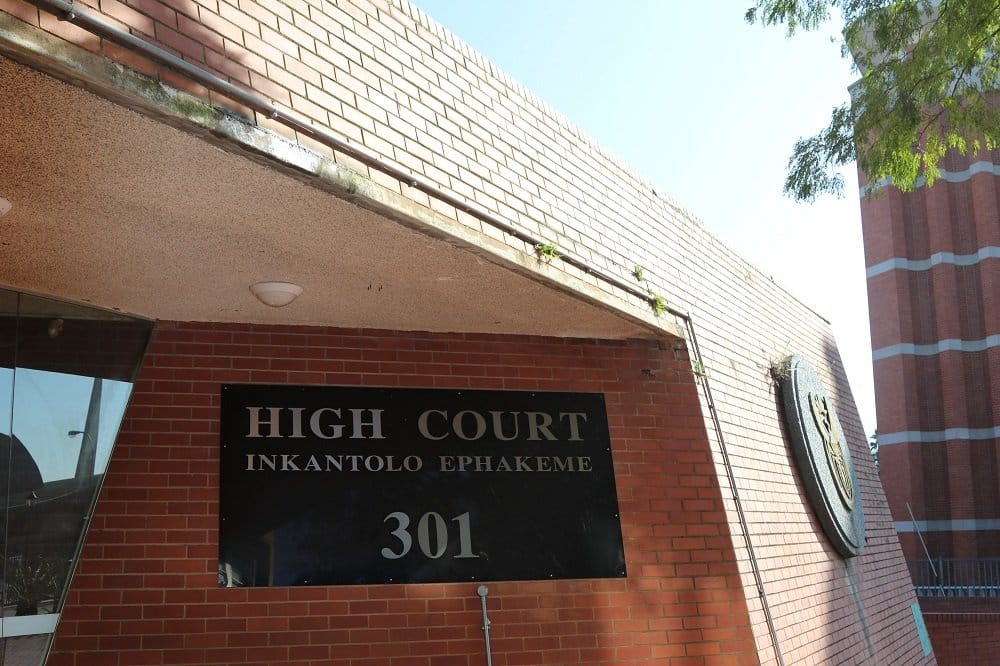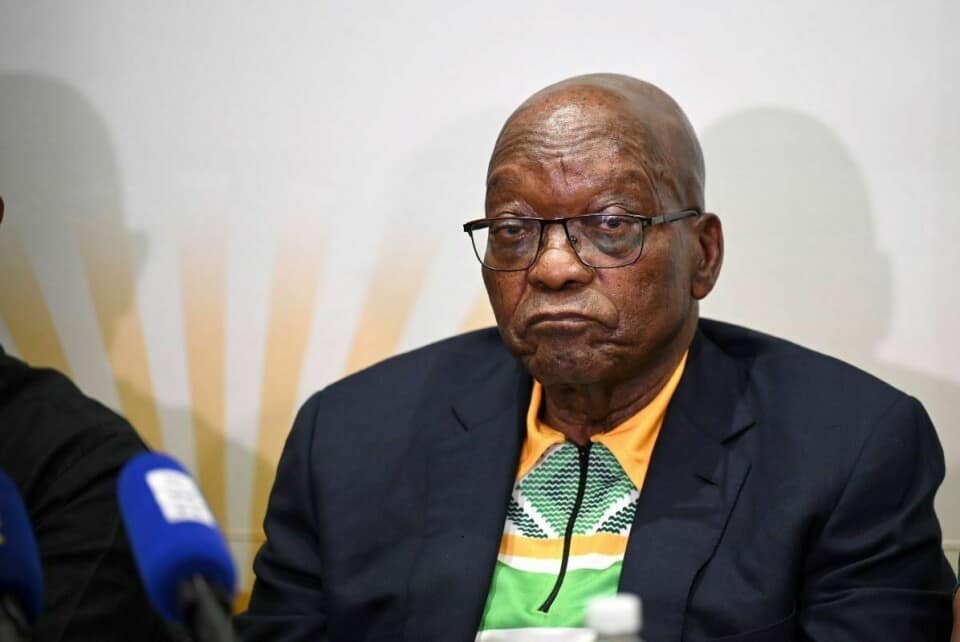
The Pretoria High Court is bracing for a historic legal confrontation as the Presidency, backed by the State Attorney, moves to claw back over R28 million in public funds used to bankroll former President Jacob Zuma’s protracted legal battles. This high-stakes application marks a critical enforcement of a landmark 2024 Supreme Court of Appeal (SCA) ruling which declared that Zuma was never entitled to state-funded legal support and must reimburse the national coffers.
The case represents the culmination of a long-standing controversy over the use of taxpayer money to defend Zuma against a multitude of charges stemming from the infamous 1999 Arms Deal. The state’s claim of R28.9 million, plus interest, covers the extensive legal representation and associated costs accrued over years of litigation.
A Breakdown of the Debt and Zuma’s Defence
The R28.9 million figure is not merely symbolic; it quantifies the state’s financial burden in defending the former president against corruption, fraud, and racketeering charges. With the SCA’s ruling leaving no legal ambiguity, the state is now poised to enforce the debt. Potential recovery methods reportedly under consideration include the garnishment of Zuma’s presidential pension, a move that would directly impact his finances.
Facing this claim, Zuma’s legal team has consistently cited “financial constraints” as a barrier to repayment, arguing that fulfilling the order is not feasible. This defence is expected to be rigorously tested in court, as the state demonstrates its readiness to exhaust all legal avenues to recover the funds.
Far-Reaching Implications for South African Governance
Beyond the substantial sum of money, the case carries profound implications for the principle of accountability in South African public life. Political figures and legal observers alike have highlighted that the outcome will set a powerful precedent, determining whether public officials can be held personally financially liable for legal costs incurred in defending actions undertaken while in office.
“The principle is clear: state resources are for the public good, not for the private legal defence of individuals accused of corruption,” stated a legal analyst close to the case. “Enforcing this ruling is crucial to safeguarding public funds and restoring trust.”
The hearing has captivated the nation, serving as a dramatic focal point in the ongoing public reckoning over Jacob Zuma’s legacy, his complex legal entanglements, and the broader issue of state capture. As the proceedings unfold in Pretoria, the nation watches, waiting to see if one of the country’s most prominent figures will finally be compelled to settle a multi-million-rand debt to the South African people.
About The Author