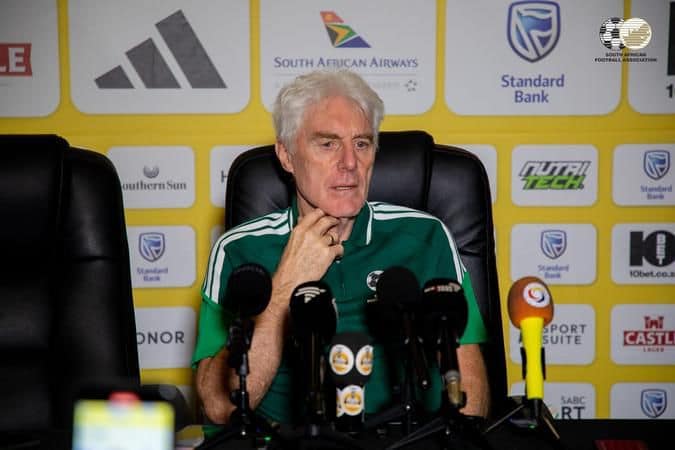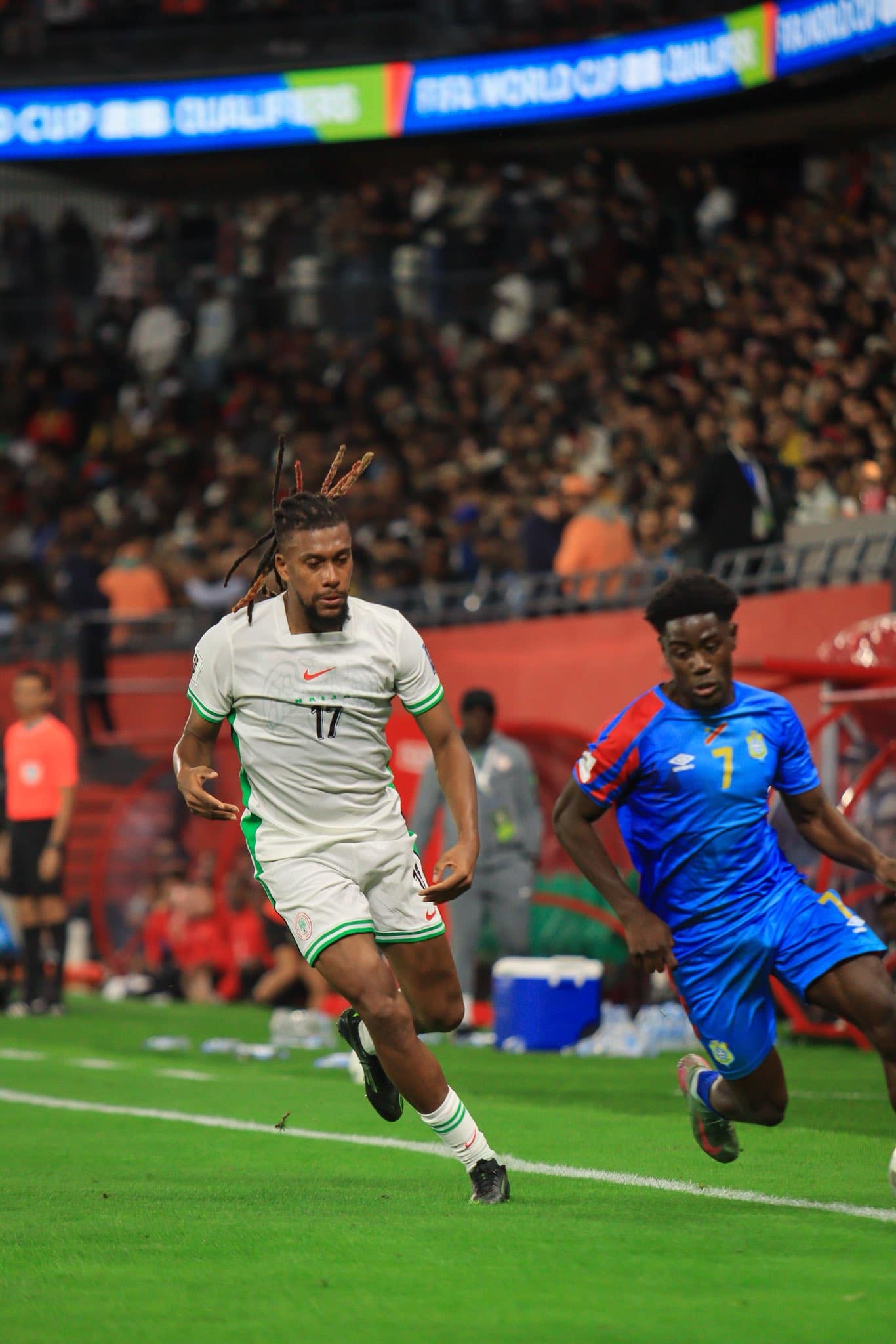
In a match that swung from tactical tension to raw, nail-biting drama, the Democratic Republic of Congo’s Leopards clawed their way to a historic victory, defeating Nigeria’s Super Eagles 4-3 on penalties after a 1-1 draw in the CAF World Cup Qualifier final on November 16, 2025. The result, sealed under the floodlights of the Prince Moulay Abdellah Stadium, sends DR Congo to the intercontinental playoffs and plunges Nigerian football into a period of intense soul-searching.
A Tale of Two Halves and a Late, Fateful Twist
The match began as many predicted, with Nigeria asserting their offensive quality. The dynamic Victor Osimhen, a constant menace for the Congolese defense, broke the deadlock in the 22nd minute. Rising majestically to meet a whipped-in cross, the Napoli striker powered a textbook header into the back of the net, sending the Nigerian fans into raptures and seemingly setting the Super Eagles on a path to victory.
For much of the match, Nigeria controlled the tempo, but failed to deliver the decisive second goal that would have killed the game. As the clock ticked into its final minutes, the DR Congo side, driven by desperation and growing in belief, began to press higher.
Their persistence was rewarded in the 88th minute. A moment of chaos in the Nigerian box, following a poorly cleared corner, fell to the feet of Meschack Elia. The young winger showed incredible composure, taking a touch to steady himself before lashing a low, driven shot through a crowd of defenders and into the bottom corner. The Congolese bench erupted, while a stunned silence fell over the Nigerian supporters. The goal forced the match into extra time, a period of exhausted legs and frayed nerves where neither team could find a winner.
The Agony and Ecstasy of the Penalty Shootout
The lottery of penalties would decide the continent’s final representative in the upcoming intercontinental playoffs.
From the spot, both teams initially showed steel, but the pressure soon told. The decisive moment came when Nigeria’s Semi Ajayi saw his powerful strike brilliantly palmed onto the crossbar by the Congolese goalkeeper, Lionel Mpasi. This miss, followed by another wayward effort, left Cedric Bakambu with the chance to win it for DR Congo. The veteran striker kept his nerve, sending the goalkeeper the wrong way and triggering wild, emotional celebrations from the Congolese players who collapsed to the turf in joy and disbelief.
A Nation’s Dream Reborn, Another’s Hopes Dashed
For the Democratic Republic of Congo, this victory is monumental. It marks their first opportunity to qualify for a FIFA World Cup since their sole appearance in 1974 (then as Zaire). The victory in Rabat was more than a football match; it was a national triumph, a beacon of hope for a country with a rich but often unfulfilled footballing history. The team now advances to the intercontinental playoffs, where they will face a team from another confederation for a coveted spot in the 2026 World Cup.
For Nigeria, the aftermath is one of profound disappointment and mounting criticism. Missing the World Cup for the second consecutive time is seen as an unacceptable failure for a nation boasting some of the world’s most talented players. Immediate scrutiny has fallen on coach Finidi George, with questions about his late-game substitutions and tactical approach after taking the lead. Beyond the coach, the result has ignited fierce calls for a complete structural overhaul of the Nigerian Football Federation (NFF), with pundits and fans alike demanding accountability, better planning, and a renewed focus on developing a cohesive team, not just a collection of stars. The inquest into this latest failure has only just begun.
About The Author