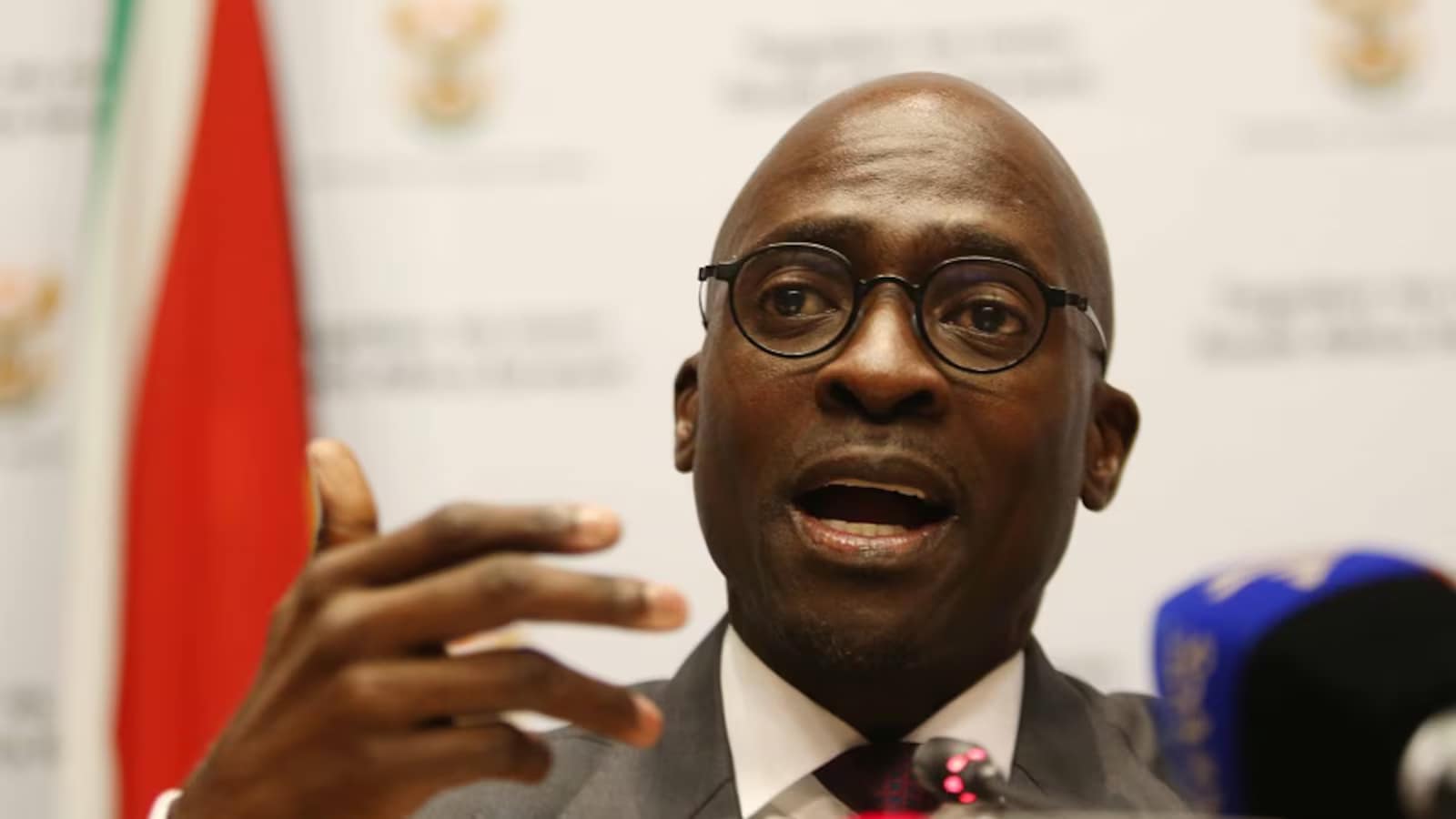
MUSINA – In the wake of the devastating N1 bus crash that claimed 42 lives, Parliament’s Joint Standing Committee on Defence chairperson Malusi Gigaba has called for the prosecution of undocumented migrants, framing the tragedy as a direct consequence of South Africa’s porous borders and a severely underfunded defence force.
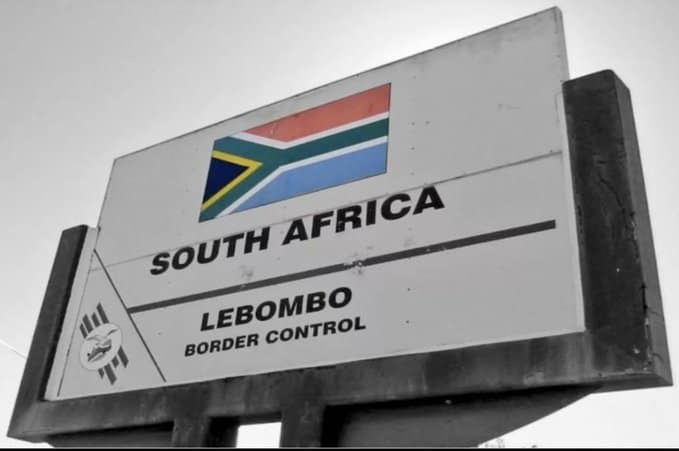
Gigaba, speaking during an oversight visit to the Zimbabwe-South Africa border near Musina, expressed deep concern that many of the 91 passengers on the bus—which was travelling from the Eastern Cape to Zimbabwe and Malawi—lacked identification documents.
“What was going to happen at the border? They were going to be processed for exit and issued with no-return letters… so that in the future, if they are found back in the country, they will be taken through the criminal justice system so that they are prosecuted,” Gigaba told the SABC.
Border Security “Severely Underfunded”
The former minister pivoted from the crash to what he described as a systemic national security crisis, pointing to the critical underfunding of the South African National Defence Force (SANDF) as the root cause.
“One of the biggest challenges we face… is that the SANDF is severely underfunded,” he stated, revealing that the army is operating with only 15 of the required 22 companies dedicated to border protection. He cited a dire lack of personnel, vehicles, and surveillance technology like drones.
Gigaba confirmed that his committee would push for a significant budget increase, aligning with President Cyril Ramaphosa’s commitment to raise SANDF funding to 1.5% of GDP.
“Fence Not Strong Enough,” Neighbours Must “Come to the Party”
In a separate interview with eNCA, Gigaba provided a bleak assessment of the physical border infrastructure, stating that the newly erected fence is “not strong enough to stop illegal crossings.”
He elaborated on the challenges, which extend beyond migration to include illicit trade. “The problem is counterfeit goods, illicit drugs, tobacco, and stolen goods that move in and out of South Africa. Our soldiers are not enough… many have been deployed for longer than they should be.”
Gigaba also called for greater cooperation with neighbouring nations, emphasising that the responsibility is not South Africa’s alone.
“Our colleagues on the Zimbabwean and Mozambican sides also need to come to the party to assist us in managing the situation,” he said, noting that border communities often enable illegal crossings.
The Limpopo bus crash has thus become a pivotal point in a much larger debate, catapulting issues of border management, national security funding, and immigration enforcement to the forefront of the national agenda.
About The Author