On November 16, 2025, the economic heartland of South Africa was brought to a standstill as a ferocious weather system, bearing the full force of an Orange Level 9 warning from the South African Weather Service (SAWS), unleashed torrential rains and devastating destruction across Gauteng. The storm, which dumped over 100mm of rain in a matter of hours, transcended a typical summer thunderstorm, evolving into a full-blown disaster that tested the province’s emergency response protocols to their limits.
A Province Submerged and Plunged into Darkness
The SAWS Orange Level 9 warning, the second-highest on the country’s impact-based severe weather scale, was a pre-emptive signal of significant disruption and danger to communities. This warning proved tragically accurate as the deluge began. What started as heavy rain quickly escalated into a catastrophic flooding event, with water levels rising at an alarming rate.
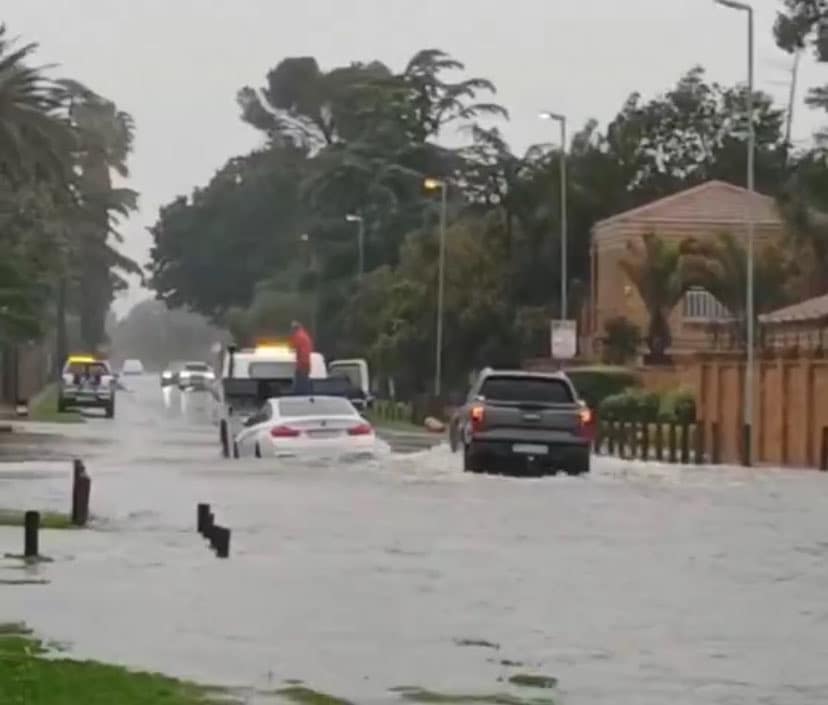
The City of Ekurhuleni was among the hardest hit. Major arterial roads, including key routes in Boksburg, were transformed into raging rivers, submerging vehicles and stranding countless motorists during the evening commute. Social media was flooded with images and videos of residents wading through chest-deep, muddy water, and cars being swept away by the powerful currents. The iconic East Rand Mall area reported severe flooding, with water inundating parking lots and threatening ground-floor entrances.
Simultaneously, the storm triggered a cascade of critical infrastructure failures. The relentless rain and powerful winds caused widespread power outages, crippling suburbs across the metropolitan region. The outage was not isolated to residential areas; it struck at the core of Gauteng’s economic and logistical hubs. OR Tambo International Airport, a vital gateway to the continent, experienced significant disruptions. While runways remained open, internal systems, check-in counters, and baggage handling were hampered by the power fluctuations, leading to flight delays, cancellations, and growing crowds of stranded passengers.
The crisis extended into the City of Tshwane and the financial nerve centre of Sandton. In Sandton, the iconic skyline, usually ablaze with light, was darkened, halting trading floors and trapping employees in high-rise buildings. In Tshwane, emergency services were inundated with calls from residents reporting flooded homes and collapsing infrastructure.
A Multi-Pronged Emergency Response
The Level 9 warning served as a crucial trigger, activating Provincial and Municipal Disaster Management Teams. The response was swift and multi-faceted:
- Search and Rescue: Emergency personnel, including the SA Police Service, Metro Police, and dedicated water rescue units, were deployed to the worst-hit areas. Using inflatable boats and high-water vehicles, they worked tirelessly to evacuate residents trapped in their homes and vehicles.
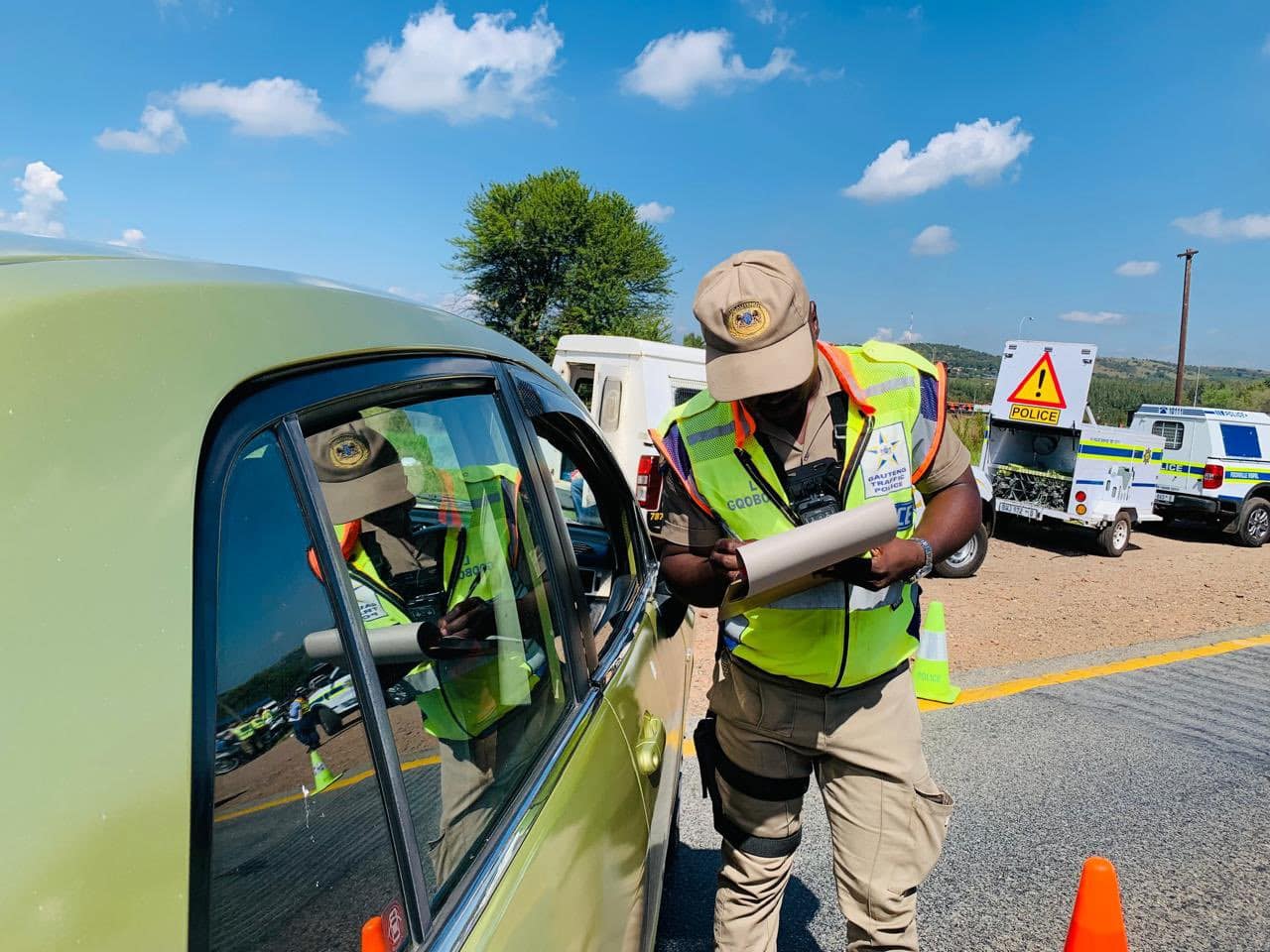
- Traffic Management: Major intersections were closed, and traffic officials worked through the night to redirect the chaotic flow of vehicles away from submerged underpasses and low-lying bridges, which had become death traps.
- Public Communication: Authorities issued urgent, repeated advisories, pleading with residents to stay indoors unless absolutely necessary. The public was urged to avoid all flooded zones, whether on foot or in vehicles, with the stark reminder that just 30cm of fast-moving water is enough to sweep a car away.
The Aftermath and a Look Ahead
As the sun rose on November 17th, the full extent of the damage began to emerge—a landscape littered with mud-swept debris, waterlogged vehicles, and damaged infrastructure. The immediate focus remained on restoring power to critical facilities and displaced communities, assessing structural damage to roads and bridges, and providing relief to those who lost homes and possessions.
This event has cast a harsh light on Gauteng’s vulnerability to increasingly extreme weather events. Urban planners and climate scientists have long warned that the province’s aging drainage systems and rapid urban development, which creates vast impermeable surfaces, are a recipe for disaster under such intense rainfall. The Level 9 storm of November 16th is a stark reminder that climate resilience is no longer an abstract concept but an urgent imperative for South Africa’s most populous province. The cleanup has begun, but the questions about preparedness for the next, inevitable extreme weather event loom large.
About The Author