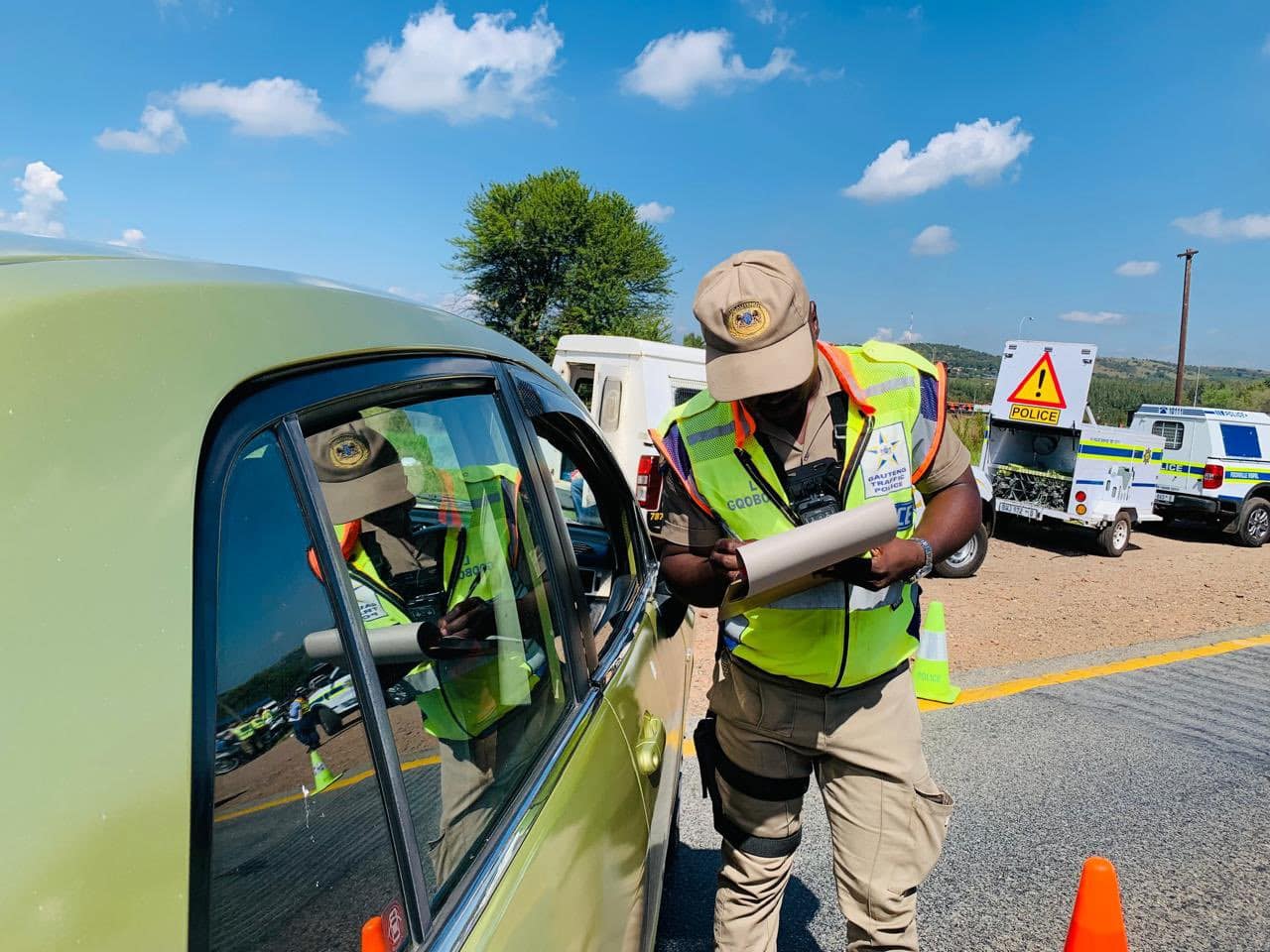
In a decisive move to reclaim the province’s notoriously dangerous roads, the Gauteng Department of Roads and Transport has declared a significant victory in its ongoing war against vehicular lawlessness, impounding 84 unroadworthy vehicles in a targeted, week-long enforcement operation. The high-impact drive, executed by the Gauteng Transport Inspectorate (GTI) unit from November 3 to 9, 2025, represents a critical front in a broader provincial campaign to curb rampant traffic violations, boost compliance, and ultimately, protect lives.
The operation, which focused on major freight routes, key highways, and identified accident hotspots, resulted in the immediate removal of what officials described as “rolling death traps” from public roads. Beyond the sheer number of vehicles impounded, the crackdown exposed a litany of critical mechanical failures that posed immediate and severe risks to all road users.
From Faulty Brakes to Balding Tyres: Exposing the Risks
According to a detailed breakdown from the GTI, the offences uncovered were not minor infractions but fundamental breaches of vehicle safety. Among the most common and dangerous defects identified were:
- Critically Faulty Braking Systems: Many vehicles, particularly light delivery vans and older sedans, were found with brake pads worn down to the metal and leaking brake fluid, rendering stopping power dangerously inadequate.
- Balding and Unroadworthy Tyres: A significant number of impounded vehicles were riding on tyres that were completely smooth, with tread depth far below the legal minimum, drastically increasing the risk of aquaplaning and blowouts, especially at high speeds on Gauteng’s highways.
- Suspension and Steering Failures: Officials reported instances of severely worn shock absorbers and loose steering linkages, compromising vehicle control and stability.
“These are not just fines on a piece of paper; these are accidents waiting to happen,” stated a senior GTI officer involved in the operation. “When we impound a vehicle with failed brakes, we are not just enforcing a law—we are potentially preventing a fatal multi-car pile-up. The difference this operation makes is measured in lives saved.”
A Strategic Shift Towards Proactive Enforcement
The week-long blitz signals a strategic shift from reactive policing to proactive, intelligence-led enforcement. The GTI leveraged data on accident statistics, vehicle licensing records, and freight movement patterns to deploy its teams at the right places and times, maximizing the impact of their operations.
“This is not a random stop-and-check,” explained the MEC for Roads and Transport during a press briefing. “We are using smart technology and data analytics to pinpoint the highest-risk vehicles and corridors. This targeted approach allows us to use our resources more effectively and send a clear message to negligent operators and owners: your vehicle is not safe, and it will not be on our roads.”
The Bigger Picture: Curbing a National Crisis
The Gauteng initiative is a microcosm of a national effort to address a road safety crisis that claims thousands of lives annually in South Africa. The province, as the country’s economic hub with the highest density of vehicles, bears a disproportionate share of this burden. By focusing on unroadworthiness, the department is attacking one of the root causes of accidents, moving beyond merely penalizing speeding to ensuring the basic mechanical integrity of the vehicles themselves.
While the 84 impounded vehicles represent a successful tactical operation, authorities concede it is merely a dent in a much larger problem. The department has pledged to continue these intensified blitzes, with plans to expand operations in the lead-up to the busy festive season, a period historically marked by a spike in road fatalities. The ultimate goal, they say, is to foster a lasting culture of compliance and responsibility, making Gauteng’s roads safer not just for a week, but for the long term.
About The Author