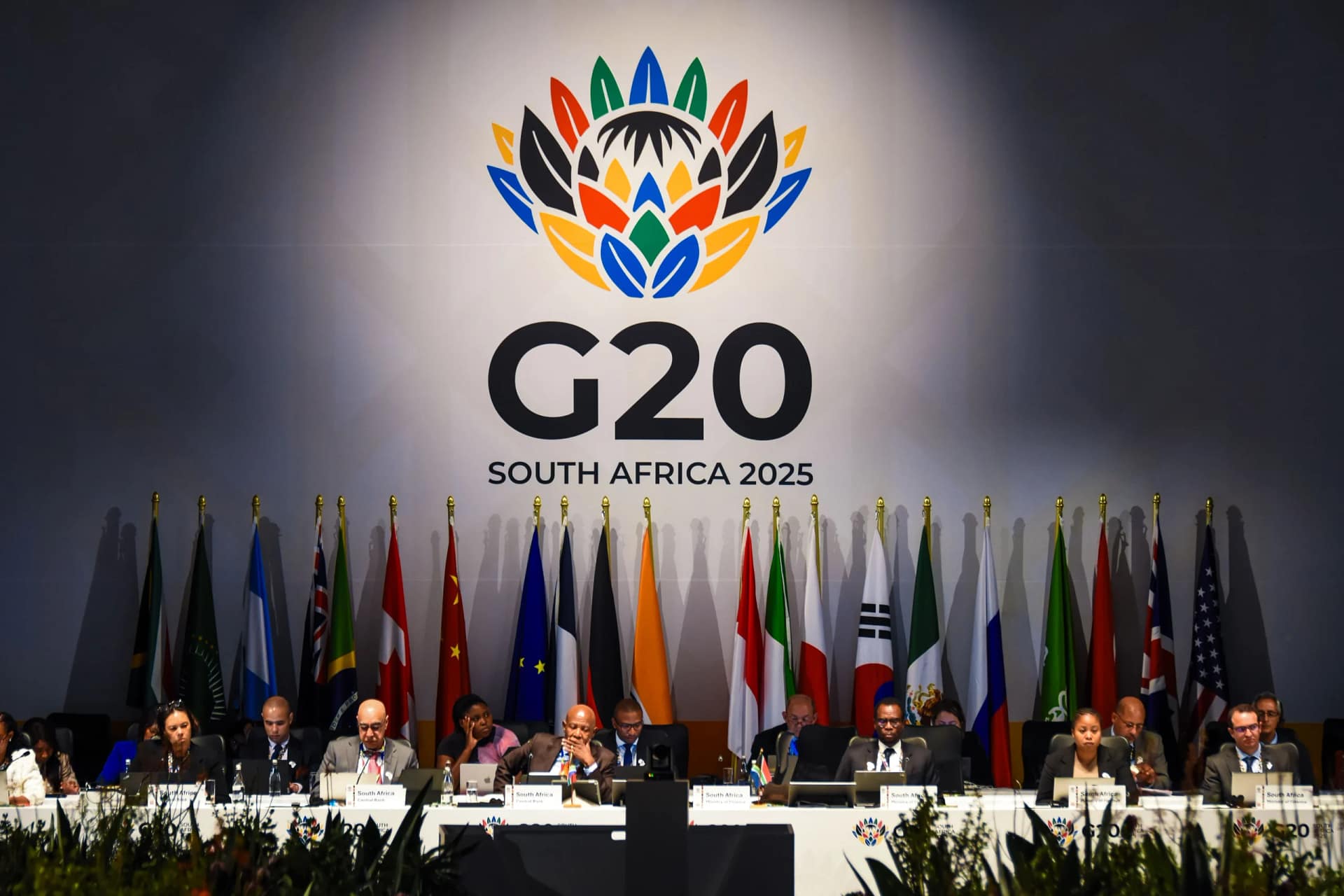
JOHANNESBURG – In a landmark move for its presidency, South Africa has placed the empowerment of women and the fight for gender equality at the very heart of the G20 2025 agenda. The nation’s framework outlines three interconnected pillars—the Care Economy, Financial Inclusion, and combating Gender-Based Violence and Femicide (GBVF)—as critical to building a just and prosperous global future.
This strategic focus reframes women’s issues not as niche concerns, but as fundamental to macroeconomic stability, growth, and human rights.
Priority 1: Recognising the Invisible Engine – The Care Economy
The first pillar tackles the immense, often invisible, burden of unpaid care work that disproportionately falls on women and girls. This includes childcare, domestic chores, and caring for the elderly—work that is systematically undervalued yet essential for societal functioning.
South Africa’s G20 agenda highlights how this unpaid labour creates “time poverty” for women, severely limiting their opportunities for education, formal employment, and entrepreneurship. The problem is not just the amount of time spent, but the nature of the tasks, which often reinforce existing inequalities. By bringing the care economy into the spotlight, the G20 aims to push for policies that recognise, reduce, and redistribute this unpaid work, allowing women to participate fully in the economic sphere.
Priority 2: Unlocking Economic Potential – Financial Inclusion
Directly linked to the care economy is the second pillar: financial inclusion. The G20 has identified this as a main pillar of development, crucial for empowering women economically. However, women continue to face significant disadvantages, including a lack of collateral, lower financial literacy, and discriminatory lending practices.
The South African presidency emphasises that improving women’s access to credit, savings, insurance, and other financial tools is a game-changer. A critical component is securing women’s access to land and property rights, which can serve as collateral and a foundation for economic independence. This empowerment is pivotal not just for individual women, but for broader economic growth and stability.
Priority 3: The Foundational Fight – Ending GBVF
Underpinning the first two priorities is the urgent, non-negotiable third pillar: the eradication of Gender-Based Violence and Femicide (GBVF). The agenda frames GBVF as a pervasive global human rights challenge rooted in patriarchal norms and systemic inequality.
The statistics are stark: approximately 1 in 3 women worldwide experience physical or sexual violence, often from an intimate partner. The economic cost is equally devastating, with some countries losing up to 3.7% of GDP due to GBVF. The G20 document also highlights the alarming rise of technology-facilitated violence, such as cyberbullying and online harassment, which disproportionately targets women and girls.
South Africa’s position is clear: there can be no true economic empowerment for women if they are not safe. The government’s role, as outlined, is to use policy and targeted funding to empower women economically, ensuring equal access to land, education, health, and safety, in line with the Beijing Platform for Action’s call for gender-responsive budgeting.
A Cohesive Vision for a Nation That Works for All
By connecting these three priorities, South Africa’s G20 presidency presents a powerful, holistic vision. It argues that you cannot have financial inclusion without addressing the unpaid care that holds women back, and you cannot have either without ensuring women are free from violence. This integrated approach seeks to dismantle the interconnected barriers that prevent women, youth, and persons with disabilities from achieving their full potential, aiming to build, in its own words, “A Nation That Works For All.”
About The Author