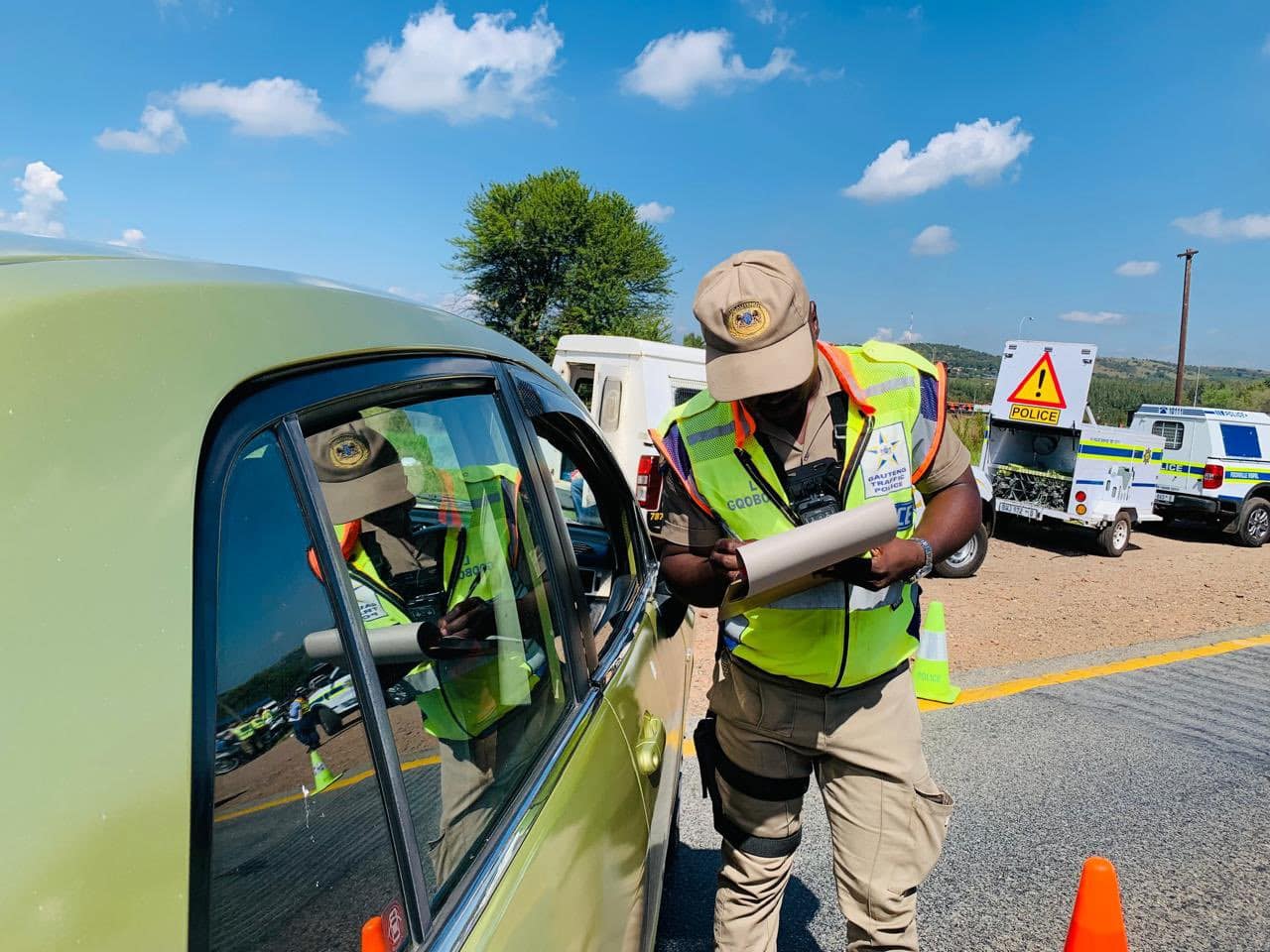
For years, the narrative of crime in South Africa has been one of unrelenting gloom—a steady drumbeat of statistics that paint a picture of a country under siege from within. But from the heart of the country, the Free State, a different story is emerging this quarter. It is a story of decline, of strategic policing apparently paying off, and of communities daring to breathe a little easier.
According to the latest crime statistics released by the South African Police Service, the Free State has recorded a notable and welcome decrease in several categories of serious contact crime, most critically in murder and sexual offences. The decline has been met with a chorus of approval from national leadership, with Police Minister Fikile Mbalula leading the applause and framing the success as a blueprint for the rest of the country.
“The Free State is showing us what is possible when there is discipline, when there is focus, and when police work together with the community,” Mbalula said during a media briefing on the new figures. “This drop in murder and sexual offences is not an accident. It is the result of hard work, and it gives all of us fresh hope for safer communities not just in the Free State, but across the entire nation.”
The statistics are indeed striking. The province recorded a significant reduction in its murder rate compared to the same period last year, bucking the national trend where such declines have been elusive. Even more encouraging is the drop in sexual offences, a category of crime that has long been a source of national shame and which has proven notoriously difficult to police due to issues of underreporting and victim intimidation.
Behind the Numbers: What Changed?
So, what is happening in the Free State that is different from the rest of the country? Police officials in the province attribute the decline to a multi-pronged strategy implemented over the last eighteen months.
Central to the success has been the “Operation Basadi” initiative, a dedicated task team focused specifically on gender-based violence. The unit, comprised of specialized investigators and social workers, has focused on improving the conviction rate for sexual offences, which in turn has encouraged more victims to come forward and has acted as a deterrent to potential perpetrators.
“We changed the way we handle these cases,” explained a senior Free State police commander, speaking on condition of anonymity. “We made sure that victims are treated with dignity from the moment they walk into the station. We fast-tracked forensic evidence. We made it clear that if you commit a sexual offence in this province, we will not rest until you are behind bars. That message is starting to sink in.”
In the fight against murder, the province has doubled down on intelligence-led policing. Hotspot mapping has allowed for the targeted deployment of resources to known trouble spots, particularly in the townships surrounding Bloemfontein and in the gold-mining communities that have long been plagued by violent conflict over illegal mining.
Furthermore, the much-criticized police “roving teams”—specialized units designed to be rapidly deployed to crime hotspots—have been given greater autonomy and resources in the Free State, allowing them to respond to emerging threats before they escalate.
Community Voices: A Cautious Welcome
In the sprawling township of Botshabelo, east of Bloemfontein, the statistics are more than just numbers on a page. For residents like Maria Ndlovu, a grandmother who has lived in the area for 40 years, the change is palpable.
“Last year, I was afraid to let my granddaughter walk to the shop alone,” Ndlovu said. “Now, I still worry, but I worry less. I see the police van more often. I see them walking through the streets. It is not perfect, but it is better. It gives us hope.”
However, the optimism is tempered with a heavy dose of realism. Community leaders are quick to point out that while the percentage drops are significant, the absolute numbers of murders and rapes remain far too high. One life lost to violence is one too many, and the province still grapples with other crimes, such as hijackings and business robberies, that have not seen the same decline.
“It is good news, but we must not celebrate too loudly,” warned Thabo Khoabane, a community activist in QwaQwa. “The people are still suffering. The drugs are still on the corners. The thieves are still breaking into our homes. This is a step, but it is only one step. We need to see this trend continue for years, not just one quarter.”
A National Blueprint?
For Minister Mbalula, the success in the Free State is a vindication of his controversial policy of consolidating police resources and demanding greater accountability from station commanders. He has signaled that the strategies employed in the province—the focus on GBV units, hotspot policing, and community engagement—will be studied and potentially replicated in other provinces struggling with violent crime.
“The Free State has shown the way,” Mbalula said. “We will take these lessons and apply them in Gauteng, in the Western Cape, in KZN. We are going to make every province a Free State when it comes to safety.”
As the police service celebrates this rare victory, the real test lies ahead. Maintaining a downward trend is often harder than initiating one. The criminals will adapt, the pressures on police resources will remain, and the underlying socio-economic conditions that fuel crime—poverty, unemployment, inequality—will persist.
But for now, the people of the Free State have a reason to look to the future with a little less fear. The statistics say crime is down. The police say it is because of hard work. And the residents, cautiously, hopefully, are beginning to believe it might just be true.
About The Author