Persistent and heavy rainfall has transformed vast swathes of Limpopo into a treacherous, waterlogged landscape, prompting the provincial Department of Education to take decisive action. In an official announcement, the department confirmed that all schools in the Vhembe and Mopani districts will remain closed for the entire week of Monday, 14 January 2026, effectively halting the scheduled start of the 2026 academic year for thousands of learners in the region.
The decision, described as a necessary precaution for pupil and staff safety, comes as relentless downpours have caused severe localised flooding, washing away access roads, damaging school infrastructure, and rendering many routes impassable. The South African Weather Service has maintained warnings for disruptive rain across the province, with catchments already saturated and river levels rising dangerously.
A Landscape of Isolation and Risk
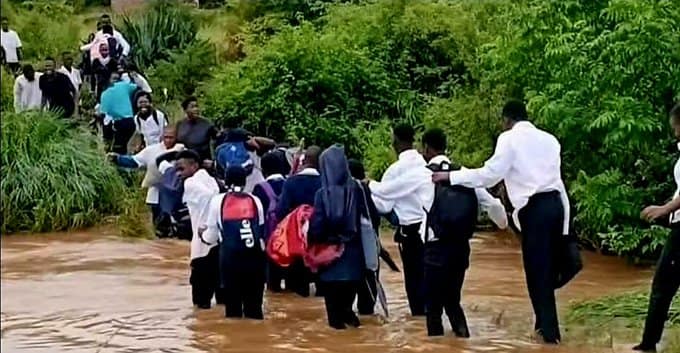
The situation on the ground is one of growing isolation and hazard. In low-lying villages and communities, particularly those near the swollen Levhubhu, Luvuvhu, and Letaba rivers, homes have been inundated, forcing evacuations. Critical bridges linking schools to residential areas have been compromised or entirely swept away, while dirt roads have dissolved into thick, impassable mud. Emergency services report several incidents of vehicles being trapped in floodwaters, underscoring the extreme risk of travel.
“For us, this isn’t just about a delayed first day of school,” explained a department spokesperson. “It is about the absolute impossibility of safe travel for children who often walk long distances. It is about schools where classrooms are flooded, roofs are leaking, and sanitation facilities are compromised. Our first priority is the physical safety of every learner and educator.”
Academic Disruption and the Shadow of Lost Time
The week-long closure represents a significant immediate disruption, casting a shadow over the province’s plans for a smooth academic start. Education officials are acutely aware of the cumulative impact of lost learning time, a concern magnified following previous pandemic-related disruptions. District teams are already assessing damage to school buildings, with initial reports indicating water damage to textbooks, furniture, and electrical systems in several institutions.
Contingency plans are being formulated, though details remain tentative pending improved weather. These may include the potential use of alternative venues, revised academic calendars for the affected districts, and the distribution of supplementary learning materials once access is restored. However, these measures are contingent on a significant abatement in the weather and successful damage assessments.
A Community Response Amidst Rising Waters
Local disaster management teams, alongside the South African National Defence Force (SANDF) in some areas, are engaged in relief efforts, prioritizing the rescue of stranded residents and the provision of emergency supplies. The education department is coordinating with these entities to ensure that schools can be used as temporary shelters if needed, further complicating the timeline for reopening.
Parents and community leaders have largely supported the closure decision, expressing grave concern over the dangers of the current conditions. “We cannot send our children out in this,” said a parent from Thohoyandou. “The rivers are angry, and the roads are gone. Books can wait; lives cannot.”
As the rain continues to fall, the focus in Vhembe and Mopani remains squarely on safety and survival. The optimistic buzz of a new school year has been replaced by the ominous roar of floodwaters and the urgent work of disaster management. The true cost of this delayed start—measured in learning time, infrastructural damage, and community trauma—will only become clear once the waters finally recede.
About The Author