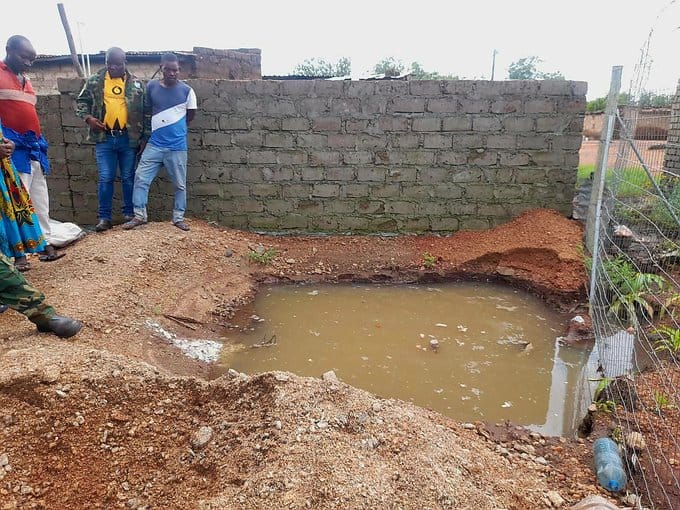
In a heartbreaking tragedy that underscores the relentless and far-reaching dangers of the ongoing flood disaster, a two-year-old boy has drowned in a water-filled pit in Humulani village, becoming one of the youngest recorded victims of the deluge that has engulfed Limpopo.
The incident occurred over the weekend, as torrential rains and overflowing watercourses transformed the landscape of the village, near Phalaborwa, into a treacherous mosaic of submerged fields and hidden water hazards. According to preliminary reports from local authorities and community members, the toddler, whose identity has been withheld pending formal notification of extended family, wandered away from his home and fell into a deep, water-logged excavation pit that had been concealed by the floodwaters.
“The water is everywhere—it hides the ditches, the trenches, even the roads. One moment the ground is there, the next it is a deep pool,” said a neighbor, her voice heavy with grief. “The family was watching, but in these conditions, a child can disappear in an instant. It is every parent’s nightmare.”
A Community’s Grief Amidst Wider Devastation
The drowning marks a particularly poignant loss in a province already reeling from a mounting death toll, widespread displacement, and catastrophic infrastructure damage. While older children and adults have been lost to raging rivers and collapsed structures, this incident highlights a silent, insidious threat: the lingering, stagnant pools that turn everyday surroundings into lethal traps long after the heaviest rains have passed.
Local disaster management teams, already stretched thin by large-scale search and rescue operations across the region, responded to the scene. The child’s body was recovered by community members and emergency personnel. Police have opened an inquest docket.
“This is a devastating blow, a loss of unimaginable innocence,” said a spokesperson for the Limpopo Department of Health. “Beyond the immediate crisis of flooded homes, we urge communities to be acutely aware of these hidden dangers—open pits, uncovered wells, and any standing water where a child could slip unnoticed. The trauma of this disaster will linger long after the waters recede.”
A Symbol of Vulnerability and Neglect
The tragedy has sparked renewed anger and sorrow in Humulani village, with residents pointing to long-standing complaints about abandoned construction sites, unmarked excavations, and inadequate drainage that become exponentially more dangerous during floods. Community leaders argue that the incident is not solely a natural disaster but a consequence of environmental neglect and inadequate municipal oversight.
“How many more children must we lose?” asked a community elder during a somber gathering. “These pits have been here for years. When the floods come, they become death traps. We have pleaded for them to be filled or fenced. Now, we are burying a baby.”
As Limpopo tallies its losses—now counted not only in homes and bridges but in the youngest of lives—the drowning of the two-year-old serves as a stark, mournful reminder that the aftermath of a flood holds its own perils. It underscores the urgent need for a holistic disaster response that includes securing hazardous sites and protecting the most vulnerable, even as the broader rescue mission continues. The province’s grief now carries the specific, piercing weight of a life barely begun, lost to the lingering water.
About The Author