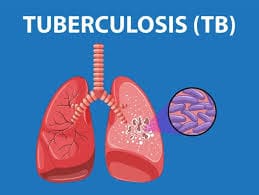
MBOMBELA – In a determined push to turn the tide against one of South Africa’s deadliest infectious diseases, the Mpumalanga Department of Health has issued a sweeping appeal to all residents across the province’s three districts to come forward and participate in the ongoing tuberculosis (TB) screening programme. The call, aimed at reaching every corner of the province, underscores a renewed strategy to identify, treat, and ultimately curb the spread of a disease that continues to claim thousands of lives annually.
With screening services now readily available at clinics, community health centers, and mobile units across Ehlanzeni, Gert Sibande, and Nkangala districts, the department is urging citizens to take advantage of the initiative regardless of whether they are showing symptoms. Health officials have emphasized that early detection remains the single most powerful weapon in the fight against TB, a disease that often lurks silently in communities, undiagnosed until it has already caused significant damage.
“We cannot win this battle from our offices. We need the people of Mpumalanga to meet us halfway,” said a senior official from the department during a briefing in Mbombela. “TB is curable, but only if we find it early. Too many of our residents are walking around unaware that they are infected, unknowingly spreading it to their families, neighbors, and colleagues. We are bringing the screening to your doorstep. The only thing we ask is that you show up.”
The mass screening drive comes at a critical juncture. South Africa remains one of the countries with the highest burden of tuberculosis in the world, and Mpumalanga, with its mining communities, densely populated townships, and rural villages, has long been a focal point in the national battle against the disease. The province has seen fluctuating infection rates in recent years, with health experts warning that undiagnosed cases, particularly in hard-to-reach areas, continue to fuel the epidemic.
The department’s strategy is two-pronged: accessibility and awareness. Screening services have been decentralized to ensure that even residents in the most remote villages of Bushbuckridge, the peri-urban settlements of Emalahleni, and the farming communities of Pixley ka Seme have access to testing. Mobile clinics are being deployed to rotate through areas where fixed facilities are out of reach, while clinics in urban centers have extended their hours to accommodate working residents.
Beyond the logistics, however, lies the challenge of stigma. For decades, tuberculosis has carried a heavy social weight in many communities, often associated with HIV co-infection or perceived as a disease of poverty. Health officials acknowledge that overcoming this stigma is as important as distributing medication.
“We have made great strides in treatment, but we are still fighting a battle of perception,” said a community health worker based in Thaba Chweu. “People are afraid to test because they fear what their neighbors will say. They fear the isolation. What we try to tell them is that TB is nothing to be ashamed of. It is a bacterial infection, like any other, and it is completely curable if you complete your treatment. But the first step is knowing your status.”
The department has also placed a strong emphasis on screening for drug-resistant TB (DR-TB), a more complex and dangerous form of the disease that has emerged as a significant public health concern in the province. Drug-resistant strains require longer, more intensive treatment regimens and pose a greater risk to communities if left undetected. The current screening programme is equipped to identify signs of drug resistance early, allowing for swift referral to specialized treatment centers.
For residents, the screening process is straightforward. Individuals who present at clinics will undergo a brief assessment, which may include symptom screening, chest X-rays for those with persistent coughs or other risk factors, and sputum testing where necessary. The entire process is designed to be quick and patient-centered, with results typically available within a matter of days.
The department’s appeal also extends to employers in high-risk sectors, particularly in the mining and agricultural industries, where working conditions can increase vulnerability to respiratory illnesses. Partnerships with mining houses and agribusinesses are being strengthened to facilitate on-site screening for workers, many of whom are migrant laborers moving between provinces or across borders, increasing the potential for transmission.
As the campaign gains momentum, health officials are clear about the stakes. Tuberculosis remains one of the leading causes of death in South Africa, and despite significant advances in treatment and prevention, progress has been uneven. The COVID-19 pandemic, which diverted resources and disrupted health services, also set back TB detection efforts significantly, with thousands of cases going undiagnosed during lockdown periods. The current mass screening drive is, in many ways, an effort to recover that lost ground.
“We cannot afford to be complacent,” the department official added. “Every person we screen is a potential life saved. Every case we catch early is a chain of transmission broken. This is not just about individual health; it is about the health of our families, our communities, and our province. We are asking everyone—young and old, in cities and in villages—to take this seriously. Walk into your nearest clinic. Take the test. It could save your life, or the life of someone you love.”
The Mpumalanga Department of Health has confirmed that all screening services are free of charge and available to all residents regardless of their documentation status. No appointment is necessary. For those unable to visit a facility, community health teams are conducting door-to-door outreach in high-burden areas.
As the sun rises over the province’s sweeping landscapes, from the misty Lowveld escarpment to the coal-rich Highveld, the message from the department is clear: the fight against TB requires everyone. The tools are in place, the services are available, and the door is open. The only missing piece is participation.
About The Author