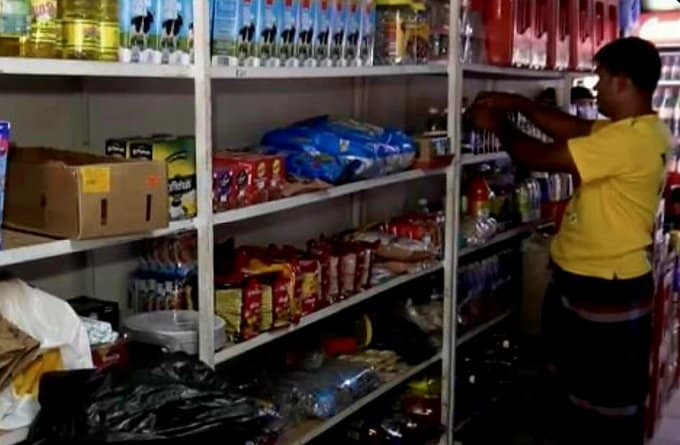
A wave of frustration and economic strain is sweeping through this small Eastern Cape community as residents are voicing mounting anger against what they describe as a widespread and unfair pricing practice at foreign-owned spaza shops. Locals claim that a mandatory, undeclared “surcharge” of R10 is being systematically added to nearly every purchase, regardless of the item’s size or value, deepening financial hardship in an already strained economy.
The allegations, which have surfaced consistently in community meetings and local social media groups, focus on a practice where the price displayed or verbally quoted is not the final amount charged at the till. Residents report that after their goods are totalled, shopkeepers—predominantly from Bangladesh, Pakistan, and Somalia—add an extra R10 before stating the final price.
“For a loaf of bread marked R22, you pay R32. For a two-litre milk at R38, you pay R48. Even for a single sweet or a cigarette, it’s the base price plus ten rand,” explained Siphokazi Mbane, a local mother of three. “When you question it, they just say ‘that’s the price’ or blame transport costs. But it’s on everything, every day. That R10 adds up when you’re buying for a family, and we have little choice but to pay.”
A Microcosm of a National Debate
The complaints in Loerieheuwel are not isolated. They echo a growing national discourse surrounding foreign-owned spaza shops, which have become a lifeline for many South African communities but are also at the centre of tensions over pricing, product safety, and business competition. In recent months, similar grievances in townships in Gauteng and the Western Cape have escalated into protests, shop closures, and calls for stricter regulation and enforcement.
Residents here argue the overcharging exploits their vulnerability. Loerieheuwel, like many rural and township areas, suffers from high unemployment, limited transport options, and a lack of large, competitive retail chains. The local spazas, therefore, hold a near-monopoly on daily essentials.
“We are trapped,” said community leader, Bongani Ndzima. “The next big supermarket is 25 kilometres away, and taxi fare makes that impossible for daily shopping. These shop owners know we have no alternative, so they impose this ‘tax’ on our poverty. It is not fair business; it is exploitation.”
Investigations and a Call for Action
The South African National Consumer Commission (NCC) has confirmed it is aware of the generic complaints circulating in various provinces regarding undisclosed price inflation at informal retailers. “The Consumer Protection Act is clear,” stated an NCC representative. “Prices must be displayed, and consumers cannot be charged more than the displayed price. Any additional, mandatory charges must be explicitly stated upfront. We encourage communities to report specific incidents with details—shop location, time, and receipts if possible—so we can investigate.”
Locally, the community policing forum (CPF) and ward councillor have attempted to mediate, arranging meetings between shop owners and residents. These have yielded little result, with shop owners reportedly arguing that the extra charge covers higher costs they incur for transport, security, and “community levies.”
However, this explanation is met with deep scepticism. “We understand prices go up,” said Mbane. “Then raise the price of the bread to R32 and mark it clearly. Don’t trick us. This hidden fee feels like we are being stolen from, every single day.”
The situation remains tense but, so far, peaceful. The Loerieheuwel community is now exploring the formation of a cooperative buying club or encouraging local residents to start their own spazas. Meanwhile, the R10 surcharge stands as a potent symbol of the complex economic pressures, community resentments, and regulatory gaps that define the struggle for dignity and fairness in South Africa’s informal economy.
About The Author