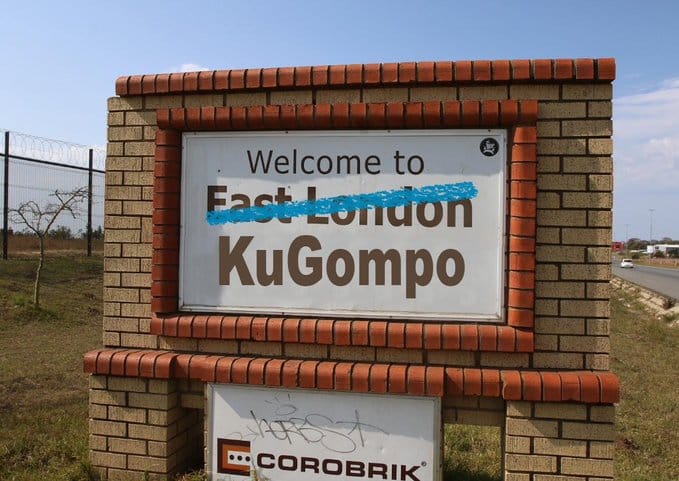
The sun rose over the Indian Ocean, painting the Buffalo River estuary in hues of gold, but on this day, it illuminated a city caught between two names. South Africa’s Minister of Sport, Arts and Culture, Gayton McKenzie, had just made official a profound shift: East London, the colonial port city founded in 1847, was to be known henceforth as KuGompo City.
The name, drawn from the isiXhosa “iGompo” for the distinctive coastal dune and landmark that has stood sentinel for centuries, was one of 21 nationwide changes announced. Among them, the historic Graaff-Reinet would become Robert Sobukwe Town, honouring the Pan Africanist Congress leader. For KuGompo, the decision was the culmination of a process that began with vigorous public consultations in early 2025. Now, with a 30-day objection period pending final gazetting, the city held its breath.
In the council chambers and community halls, the air was thick with the weight of history. Proponents, like veteran cultural activist Nosipho Dlamini, saw it as a long-overdue reclamation. “For generations, we navigated by the iGompo, we told stories of it, we built our lives in its shadow, yet the map called this place by a name from another London across the seas,” she declared at a rally on the Esplanade. “This is not just a change on a sign. It is a restoration of our psychic geography. Since 1994, over 1,500 names have been corrected. This is our turn to plant our flag in the soil of our own memory.” Her words were met with cheers and the rhythmic chorus of “KuGompo! KuGompo!”
Yet, just a short drive away, in the vibrant, densely populated township of Gompo (also named for the same landmark), a more complex sentiment simmered. Local businessman Sipho Mbatha expressed a widespread concern: “We are Gompo Township. Our post office, our taxi ranks, our identity—it is all Gompo. Now the whole city will be KuGompo City? The confusion will be a nightmare for deliveries, for services, for visitors. It is like absorbing our unique fingerprint into a much bigger hand.”
This practical anxiety bled into a broader critique voiced by critics like DA councillor Mark Anderson. “Where is the priority?” he questioned in a radio debate. “We have communities pleading for reliable water, roads crumbling like stale bread, and a staggering unemployment rate. The cost of this change—rebranding every municipal vehicle, revising every official document, replacing signage from the airport to the libraries—runs into millions. Would that money not be better spent fixing a broken pipe or supporting a clinic?”
Caught in the middle were the city’s residents, for whom the change was both abstract and intensely personal. Thandi, a young graphic designer, saw opportunity. “My new business cards will have ‘KuGompo City’ on them with a beautiful logo of the dune. It’s fresh, it’s African, it tells a story the world hasn’t heard.” Meanwhile, John, a fourth-generation ship chandler whose family business still used ledgers from the 1890s, sighed. “The paperwork alone… East London was on my grandfather’s invoices. It’s not about politics for me; it’s a layer of our own history, too, complicated as it is.”
As the 30-day objection period commenced, the debate became a mirror held up to post-apartheid South Africa itself. It reflected the urgent, essential drive to decolonise space and honour submerged heritage, a project embodied in the sweeping away of names like Port Elizabeth to Gqeberha. Yet, it also reflected the gritty realities of service delivery, administrative burden, and the fear of symbolic gestures outpacing material progress.
The landmark iGompo dune, meanwhile, endured—its contours shaped by ancient winds and tides, a silent witness to the comings and goings of ships, settlers, and seekers. Whether the city at its foot was called East London or KuGompo City, the dune remained. It was a testament to a past far deeper than any colonial map or post-colonial gazette, a reminder that while names are powerful spells cast upon a place, the land itself holds a quieter, older story. The challenge for KuGompo City would be to weave this new, old name into the fabric of daily life, hoping it could eventually carry not just the weight of heritage, but the hopes for a unified and prosperous future.
About The Author