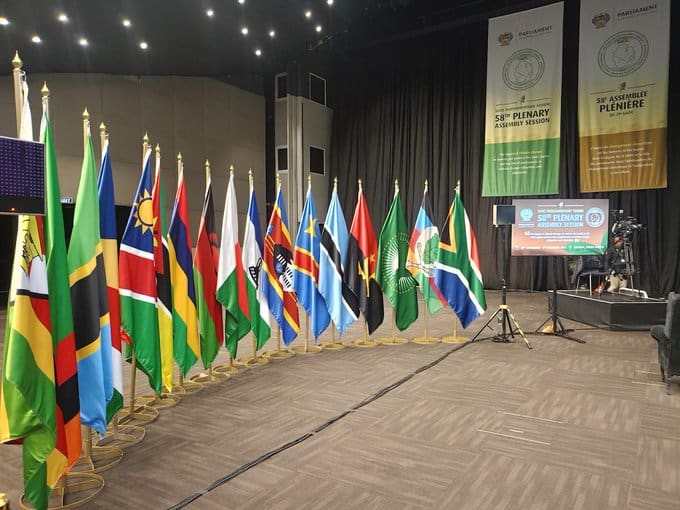
In a significant display of regional political will, more than 300 delegates gathered in Durban this week have voiced strong confidence in their collective ability to forge and drive more effective regional strategies to combat the severe impacts of climate change. The occasion is the 58th Plenary Assembly Session of the Southern African Development Community (SADC) Parliamentary Forum, a pivotal gathering of lawmakers from across the 16-nation bloc, being held at the Durban International Convention Centre from 30 November to 5 December, 2025.
The assembly has convened under the urgent and pointed theme: “The Impact of Climate Change on Women and Youth, and the Role of SADC Parliamentarians in Mitigation and Adaptation.” This focus underscores a critical recognition within the region: that the climate crisis is not gender or generation neutral. Delegates acknowledged that women, who often bear the primary responsibility for food security, water collection, and family welfare in rural communities, are disproportionately affected by droughts, floods, and shifting agricultural patterns. Similarly, the region’s youth, representing its future workforce and leadership, face profound threats to their livelihoods, education, and long-term security from environmental degradation and economic instability driven by climate change.
Hosted by the Parliament of South Africa, the week-long forum has brought together speakers of national parliaments, members of parliament, climate scientists, policy experts, and representatives from civil society and international organizations. The agenda is centered on moving beyond rhetoric to formulate tangible legislative actions and oversight mechanisms.
“Our mandate is clear,” stated the President of the SADC PF, in her opening address. “We must transform our debates into laws, our concerns into budgets, and our solidarity into actionable regional frameworks. Our women and youth are not just victims; they are indispensable agents of change and resilience. Our parliaments must create the legal and policy environment that empowers them.”
Key discussion points have included:
- Legislative Frameworks for Resilience: Drafting and harmonizing model laws on climate-induced displacement, social protection for vulnerable groups, and inclusive green job creation for youth.
- Budgetary Oversight: Ensuring national budgets prioritize climate adaptation projects that directly benefit women-led agricultural initiatives and fund skills development for youth in renewable energy and sustainable technologies.
- Strengthening Regional Cooperation: Enhancing cross-border collaboration on early warning systems for extreme weather and shared management of transboundary water resources, which are vital for community stability.
The expressed confidence from the floor stems from a shared understanding of the region’s acute vulnerability. Southern Africa is repeatedly cited as one of the world’s climate change hotspots, experiencing temperature increases at twice the global average, alongside intensifying cyclones, prolonged droughts, and unpredictable rainfall. This unified front in Durban signals a potential turning point, where regional parliamentary bodies are positioning themselves not merely as debating chambers, but as powerful drivers of accountability and implementation, holding their respective governments to account on climate commitments made both regionally and internationally.
The outcome of the plenary, including the adoption of a final declaration and action plan, will be closely watched as a barometer of SADC’s political resolve to translate the acute vulnerability of its women and youth into a cornerstone of its climate response strategy.
About The Author